What You Need to Know About Pneumonia

What Are the Symptoms of Pneumonia?
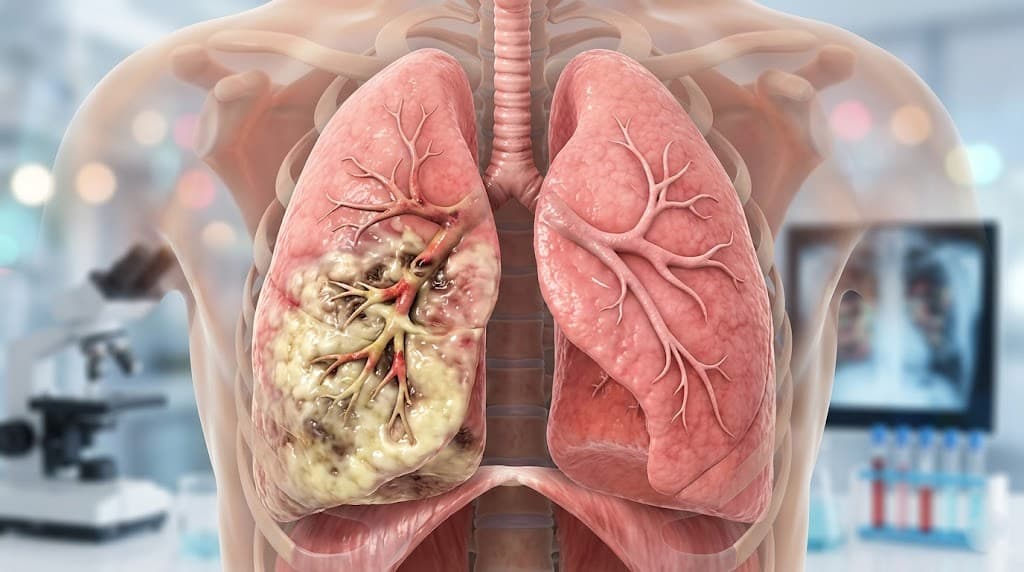
Pneumonia is an infection that usually affects the lungs and has the potential to be serious and life-threatening if left untreated. The most common symptoms include a sudden onset of high fever, chills and feeling cold, cough, and the production of thick and colored (yellow, green, or brown) sputum. In addition, some types of pneumonia may initially begin with loss of appetite lasting several days, fatigue, muscle and joint pain, and later progress to dry cough, rising fever, nausea, headache, and rarely vomiting. Especially rapid breathing, wheezing in the chest, sweating, and a general feeling of fatigue may also be notable.
These symptoms can sometimes be confused with respiratory tract illnesses such as the common cold. However, if complaints worsen or do not improve within a few days, it is essential to consult a healthcare professional, especially for individuals in risk groups, to rule out the possibility of pneumonia.
How Is Pneumonia Diagnosed?
When you consult a doctor, a detailed physical examination is performed and if typical findings are detected, the diagnosis is usually confirmed with a chest X-ray. In some cases, blood tests and a sputum sample may also be requested. Early diagnosis is extremely important for the success of the treatment process.
Is Pneumonia Contagious?
The cause of pneumonia is most often bacteria, viruses, or rarely fungi. Upper respiratory tract infections that predispose to the disease (such as influenza viruses) are highly contagious and can easily spread through coughing and sneezing. In addition, sharing items such as glasses, spoons, or towels used by infected individuals increases the risk of transmission.
Pneumonia can be severe and the risk of complications is high, especially in young children, the elderly, individuals with weakened immune systems, or those with chronic diseases. Worldwide, pneumonia is among the most common infectious diseases and those that cause the highest mortality.
What Are the Risk Factors for Developing Pneumonia?
Certain conditions can facilitate the development of pneumonia. These include:
Advancing Age: The risk increases in individuals over 65 years old.
Chronic Health Problems: Asthma, COPD, bronchiectasis, lung or heart disease, kidney or liver disorders, diabetes, and weakened immune system (such as AIDS, blood disorders, organ transplantation).
Smoking and Alcohol Use: Weakens lung defenses.
Difficulty Swallowing: Especially stroke, neurological diseases, disorders affecting the muscle or nervous system.
Frequent Vomiting or Aspiration of Stomach Contents into the Respiratory Tract (Aspiration)
Recent Major Surgeries
Periods when influenza and similar viral infections are widespread
Being aware of these factors and controlling those that are possible can help reduce the risk of developing pneumonia.
What Can Be Done to Prevent Pneumonia?
Strategies for protection against pneumonia can be grouped under several headings:
Effective treatment of chronic diseases and ensuring regular doctor check-ups
Balanced and adequate nutrition, avoiding stress
Paying attention to hygiene rules (regular hand washing, avoiding crowded environments)
Combating tobacco, alcohol, and substance addiction
Taking necessary precautions in cases causing difficulty in swallowing function
Especially during influenza outbreaks, avoiding crowded places and using masks
Strictly applying hygiene rules in the close environment of individuals with weakened immune systems and those in risk groups
Some types of influenza and pneumonia can be prevented by vaccination. Especially the influenza virus can cause pneumonia on its own or weaken the body and predispose to bacterial pneumonias. Therefore, getting the flu vaccine during the recommended period each year (usually between September and November) is important for individuals with weak immunity or at risk.
In Which Cases Is the Pneumococcal Vaccine Necessary?
Streptococcus pneumoniae is one of the most common causes of pneumonia worldwide. The pneumococcal vaccine is recommended against this bacterium, especially for those over 65 years of age, individuals with chronic heart-lung diseases, diabetics, those who have had their spleen removed, those with certain blood disorders, chronic kidney disease, or immune deficiency. It may also be necessary for individuals with weakened immune systems and adults with AIDS. The vaccine is administered intramuscularly and can usually be repeated every 5 years.
Vaccinations should not be administered during influenza infection or high fever illnesses. In addition, the flu vaccine should not be used in those with egg allergy. The side effects of both the flu and pneumococcal vaccines are generally mild and temporary; pain or redness at the injection site, short-term fatigue, and mild fever may occur.
How Is Pneumonia Treated?
Many cases of pneumonia can be treated at home, but severe cases or risk groups may require hospital monitoring. Treatment is planned by the physician according to the cause of pneumonia, the patient's general health status, and the severity of findings. The recommended medications are usually antibiotics (for bacterial pneumonias), antipyretics, and increased fluid intake. In severe cases requiring respiratory support or intensive care, hospital follow-up is essential.
Starting treatment early significantly increases the chance of success. Conversely, in cases where treatment is delayed or severe, the risk of complications and death may increase. Therefore, patients must strictly follow their doctors' recommendations during the recovery process.
Frequently Asked Questions
1. Is pneumonia contagious?
Some types of pneumonia caused by viruses and bacteria can be transmitted from person to person. Especially upper respiratory tract infections (e.g., influenza) are highly contagious, but not all agents causing pneumonia are equally contagious.
2. In which age groups is pneumonia more dangerous?
Pneumonia can be more severe and dangerous especially in infants, young children, adults over 65 years of age, those with chronic diseases, and individuals with weakened immune systems.
3. What are the initial symptoms of pneumonia?
Initially, symptoms such as fever, chills, feeling cold, cough, and sputum may be observed. Fatigue, loss of appetite, and headache may also accompany.
4. How is pneumonia diagnosed?
Diagnosis is made by a doctor's examination, chest X-ray, and, if deemed appropriate, blood or sputum tests.
5. In which situations should I consult a doctor?
If you have high fever, severe cough, change in sputum color, shortness of breath, or feel very weak, you should see a doctor without delay.
6. Is it possible to treat pneumonia at home?
In mild cases, it is possible to recover with medications and care recommended by the doctor. However, if symptoms are severe, you are in a risk group, or the condition worsens, it is necessary to go to the hospital.
7. Who is recommended to get the flu and pneumococcal vaccines?
They are recommended especially for those over 65 years of age, individuals with chronic diseases, people with weakened immunity, and everyone in the risk group. You can get information from your doctor regarding your personal risks.
8. What is the recovery process after pneumonia?
Most people recover completely within a few weeks. However, in the presence of advanced age, underlying diseases, or severe cases, the recovery period may be longer. Appropriate rest and doctor check-ups are recommended.
9. Can pneumonia recur?
Yes, pneumonia can occur more than once in some individuals. The presence of underlying risk factors can facilitate this situation.
10. Are the side effects of vaccines serious?
They are usually mild and short-term; symptoms such as pain at the injection site, mild fever, and malaise may occur.
can be observed. In rare cases, if serious reactions develop, medical support should be sought.11. Do smoking and alcohol consumption increase the risk of pneumonia?
Yes, smoking and excessive alcohol consumption weaken lung defenses and increase the risk of pneumonia.
12. I have contracted pneumonia, how can I protect myself?
Rest, drink plenty of fluids, take the medications prescribed by your doctor regularly; avoid strenuous activities and stay away from close contact with others as much as possible.
13. What is the most effective way to prevent pneumonia?
Getting vaccinated, adhering to hygiene rules, keeping risk factors under control, and not neglecting regular health check-ups are among the most effective methods for preventing pneumonia.
References
World Health Organization (WHO), Overview of pneumonia and global pneumonia reports
Centers for Disease Control and Prevention (CDC), Pneumonia — Prevention, Symptoms, and Treatment
European Respiratory Society (ERS), Pneumonia: Guidelines and Recommendations
American Thoracic Society (ATS), Community-Acquired Pneumonia Guidelines
The Lancet Respiratory Medicine, Global and regional burden of hospital admissions for pneumonia