Bleach Poisoning: Precautions and Safe Approaches

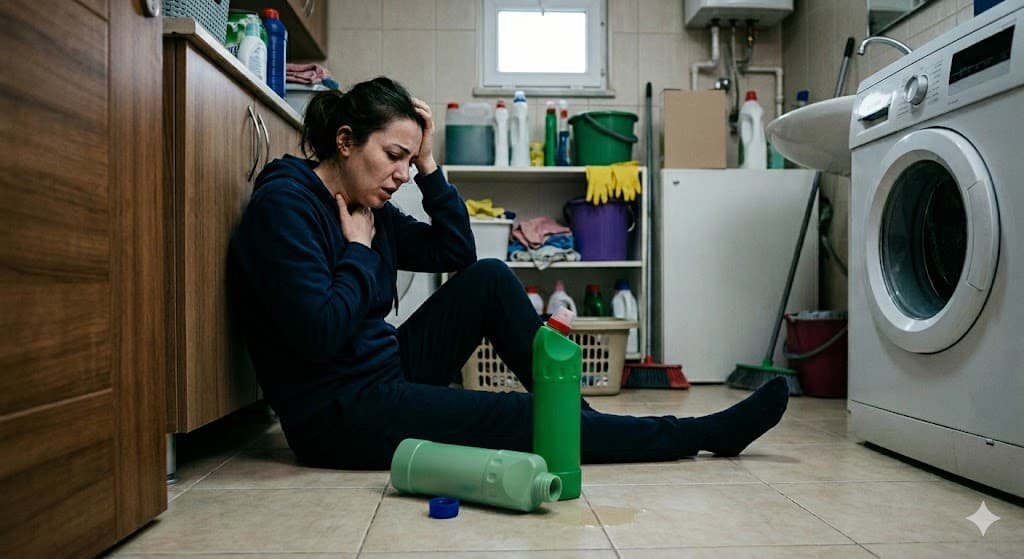
Bleach is a powerful cleaning agent frequently preferred in daily life at homes and workplaces. However, when used incorrectly or inhaled unintentionally, it can cause poisonings that may lead to serious health problems. Bleach poisoning can rapidly affect both the respiratory and digestive systems and may have severe consequences, especially for sensitive groups. It is of great importance to follow expert recommendations to ensure conscious use and prevent possible risks.
Basic Information About Bleach Poisoning
Bleach poisoning generally occurs as a result of inhalation, skin contact, oral ingestion, or splashing into the eyes. Respiratory poisoning is among the most common scenarios and may present with serious symptoms such as difficulty breathing and coughing. Although there is a risk for everyone, children, the elderly, and individuals with chronic illnesses are more vulnerable.
The degree of impact in bleach poisoning may vary depending on the amount and duration of exposure. For safe cleaning at home, products should be used in the recommended amounts and in appropriate ways. In addition, it is critically important to store chemicals out of the reach of children.
What Are the Causes of Bleach Poisoning?
Although bleach is often preferred for its effectiveness in cleaning, excessive use, inhalation, or accidental ingestion can be dangerous. Especially mixing bleach with other chemicals such as hydrochloric acid (spirit of salt) can lead to the release of toxic gases that pose a life-threatening risk. It is recommended to use products according to instructions, to clean in well-ventilated areas, and to avoid staying in enclosed spaces for long periods.
Additionally, accidental oral intake of kitchenware with bleach residues can also cause poisoning. Bleach containers or cleaned vessels should not be left within the reach of children.
What Are the Symptoms of Bleach Poisoning?
The symptoms that may occur in the event of bleach poisoning can vary from person to person, but the most common signs are as follows:
Nausea and vomiting
Abdominal pain and diarrhea
Difficulty breathing, cough, or shortness of breath
Dizziness and headache
Fatigue, feeling dazed
High fever and chills
Redness or irritation on the skin, especially in areas of contact
Burns and redness around the mouth or lips
Excessive salivation
Even skin contact with bleach alone can cause redness and irritation. If inhaled or ingested, symptoms may develop rapidly. Children may be seriously affected even by smaller amounts of exposure.
How Quickly Do Symptoms of Bleach Poisoning Appear?
Symptoms after exposure to bleach usually begin within 30 minutes to one hour. Especially in cases of inhalation of chemical gases, symptoms may appear much more quickly. If discomfort is felt and poisoning is suspected, one should quickly move to fresh air and seek medical assistance if necessary.
Correct First Aid Methods That Can Be Done at Home
The following steps are recommended in case of suspected bleach poisoning:
The patient should be taken to fresh air immediately.
If there is skin contact, the area should be washed with plenty of water.
In case of eye contact, the eye should be rinsed with clean water for at least 15 minutes.
If ingested, the patient should definitely not be induced to vomit, and no food or drink should be given before seeking medical help.
If there are severe symptoms accompanying the poisoning (shortness of breath, changes in consciousness, fainting), emergency services should be contacted immediately.
Certain traditional practices (such as giving olive oil or yogurt) are not scientifically recommended. In all cases, the safest approach is to seek medical assistance.
Approaches Used in Hospitals for Bleach Poisoning
In poisoning cases, doctors assess the general condition of the patient and, if necessary, provide respiratory support, intravenous treatment, and various protective measures. Medical observation plays a vital role in preventing complications. Advanced treatments are planned according to the patient's condition.
Prevention Recommendations and Tips for Safe Cleaning
Strong cleaning agents such as bleach should never be mixed with other chemicals.
After use, tightly close the caps and store them in places inaccessible to children.
Always ventilate the area during cleaning.
After contact with bleach, hands and face should be thoroughly washed.
Carefully read the warnings and usage instructions on product labels.
Bleach can be preferred for effective cleaning when safety rules are followed; however, risks should not be ignored and in case of suspicion, it is best to seek professional medical support.
Frequently Asked Questions
1. What should be done if bleach is swallowed?
Oral ingestion of bleach can cause serious poisoning. The patient should not be induced to vomit, and water, milk, or any other drink should not be given. Emergency services should be contacted as quickly as possible.
2. Is it harmful to smell bleach?
Inhaling the strong odor or gas of bleach can cause symptoms such as headache, nausea, cough, and shortness of breath. If exposed, it is important to ventilate the area and move to fresh air; if complaints persist, a doctor should be consulted.
3. What should be done if bleach comes into contact with the skin?
The area of skin contact should be washed with plenty of water, and if there is redness or burning, a non-irritating cream can be applied to the skin. In cases of extensive contact and severe reactions, medical support is recommended.
4. How quickly does bleach poisoning occur?
Symptoms usually begin within 30 minutes to 1 hour. This period may vary depending on the form and amount of chemical exposure.
5. What happens if bleach is mixed with other cleaning products?
Mixing bleach, especially with hydrochloric acid (spirit of salt), produces chlorine gas, which can be life-threatening. Such mixtures should definitely be avoided.
6. What should be done at home in case of bleach poisoning?
The most important step is to move to fresh air and wash the skin. If symptoms are significant (shortness of breath, loss of consciousness, severe pain, etc.), emergency medical help must be sought.
7. How should bleach be safely stored at home?
It is recommended to store products in their original packaging, in a cool and dry place out of the reach of children. It is important for safety not to erase or mix up the labels on the products.
8. How dangerous is bleach for children?
Children are more sensitive to chemicals. Even a small amount of bleach can cause rapid and serious effects in children. Products should be stored out of children's reach.
9. What symptoms are seen in respiratory bleach poisoning?
Cough, burning in the throat, shortness of breath, headache, and sometimes chest pain may occur. If complaints worsen, medical evaluation is required.
10. Is accidentally drinking bleach fatal?
Swallowing a large amount of bleach can be fatal, especially for children and sensitive individuals. Therefore, the incident should be taken seriously and emergency service support should be sought.
11. Are there long-term effects from inhaling bleach?
Short-term exposure usually does not cause permanent problems; however, in cases of intense or repeated inhalation exposure, the respiratory tract may be damaged. If complaints persist, a doctor should be consulted.
References
World Health Organization (WHO) –
Chemicals Safety Guidance
Centers for Disease Control and Prevention (CDC) – Household Chemical Poisoning
American Association of Poison Control Centers (AAPCC) – Advice on Bleach Exposure
British Medical Journal (BMJ): "Household Cleaning Products and Poisoning"
European Association of Poisons Centres and Clinical Toxicologists (EAPCCT) – Bleach Poisoning Factsheet