Cupping Therapy: Effects and Areas of Application from Tradition to the Present

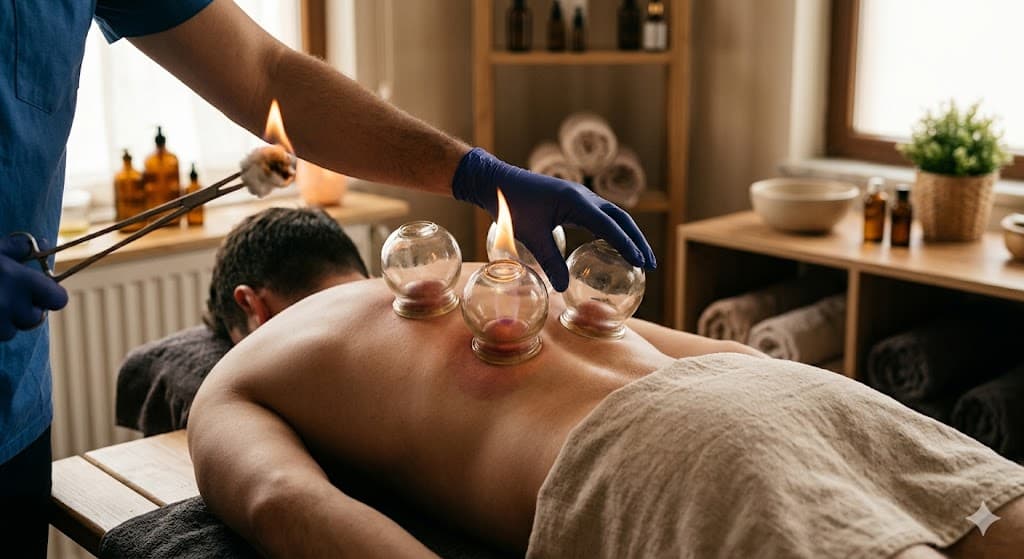
Cupping therapy is known as a treatment method that dates back thousands of years and has been practiced in various cultural traditions. Despite the development of modern medical techniques, cupping therapy continues to attract interest today as an alternative and supportive treatment.
How Is Cupping Therapy Applied and What Is Its Purpose?
Cupping therapy is a traditional practice performed by placing vacuum cups on specific points of the skin. Basically, a mild vacuum is created on the skin, and then small incisions are made to draw out a certain amount of blood. This method is also referred to as "cupping therapy" and has been used for various purposes in different societies.
The fundamental philosophy of cupping therapy: is to improve blood circulation in the body, help eliminate potential toxin accumulations, and support overall health. Additionally, in some cultural beliefs, it is applied to enhance physical-mental balance, reduce stress, and regulate energy flow. In modern medicine, cupping therapy is considered a complementary practice in certain cases.
Possible Effects of Cupping Therapy on Health
Scientific studies suggest that cupping therapy may help with certain musculoskeletal pains and complaints related to circulation. During cupping therapy, it is thought that blood flow in the area increases, thereby accelerating the transport of oxygen and nutrients. This may promote tissue healing and reduce the sensation of pain.
Moreover, there is some evidence that it exhibits a mild anti-inflammatory effect, especially in inflammatory conditions. However, these effects may vary from person to person, and all benefits of cupping therapy have not yet been fully established scientifically. As with any traditional treatment, it is important to consult a healthcare professional before making a decision.
Possible Benefits of Cupping Therapy in the Sacral Region
Cupping therapy applied to the coccyx (sacral region) is generally preferred to alleviate pain around the waist and to increase blood circulation in this area. Additionally, some practitioners state that this method may be supportive in the treatment of neurological disorders. Cupping therapy performed on the coccyx may help relax the muscles in that region and promote tissue healing. Furthermore, in alternative medicine, it is claimed that this region is associated with energetic meridians and may therefore improve the body's overall energy balance. However, it should be noted that such effects are not fully scientifically proven; expert opinion is always a priority.
Cupping Therapy Applied to the Back Region: What Effects Can Be Expected?
Cupping therapy performed on the back region may have a relaxing effect, especially in cases of muscle tension and chronic back pain. It is thought that with increased blood circulation, tissue healing around the spine accelerates and spinal health is supported. It is also suggested that the practice may reduce pain caused by problems such as lumbar and cervical hernia, but more scientific studies are needed on this subject. Individuals considering back cupping therapy are advised to consult their doctors first.
Cupping Therapy on the Legs and Its Possible Benefits
Cupping therapy applied to the leg region is generally preferred as a supportive method for alleviating pain due to circulatory disorders or problems such as varicose veins. In addition, it is thought that it may contribute to the reduction of edema in the leg muscles and the enhancement of tissue healing. Practitioners of alternative medicine also believe that leg cupping therapy has the potential to regulate energy flow. Nevertheless, it should be remembered that this practice may not be suitable for everyone, and expert evaluation should be sought.
Effects of Cupping Therapy Applied to the Facial Region
Facial cupping therapy has become increasingly popular in recent years as a method to support skin health. It is thought that this practice may help achieve a healthier and more vibrant appearance by increasing blood circulation in the skin. Additionally, positive effects have been reported in some individuals in alleviating skin problems such as acne and pimples. However, since the facial region is sensitive, it is not recommended to perform this practice without medical evaluation or expert supervision.
Conclusion and Safety Warning
Cupping therapy is a supportive treatment approach with traditional origins that is applied to different regions. Although it provides positive results such as pain reduction, muscle relaxation, and improved circulation in some individuals, the same benefit cannot be expected for everyone. Especially individuals with chronic diseases or bleeding disorders are strongly advised to consult a doctor. Attention to sterilization during the procedure is also important to prevent the risk of infection.
Frequently Asked Questions
1. How is cupping therapy performed?
Cupping therapy is generally performed by placing cups on the skin to create a vacuum, followed by making small incisions to draw blood. This procedure should be carried out under hygienic conditions and by qualified professionals.
2. In which situations can cupping therapy be applied?
It is most commonly preferred for purposes such as musculoskeletal pain, circulatory problems, and stress reduction. However, it may not be suitable for every individual, and expert opinion should always be sought.
3. Are there scientifically proven benefits of cupping therapy?
Some clinical studies have shown that cupping therapy may help reduce pain and relax muscles. However, more scientific research is needed regarding definitive benefits and comprehensive effects.
4. What are the risks of undergoing cupping therapy?
Application in non-sterile environments may lead to infection, excessive bleeding, or skin wounds. Risks are higher in individuals with bleeding disorders or weakened immune systems.
5. Can cupping therapy be relied upon alone for any disease?
No. Cupping therapy is a complementary method; it does not replace medical diagnosis and treatment. For any ailment, a medical evaluation is required first.
6. Who should not undergo cupping therapy?
Pregnant women, those with bleeding disorders, individuals with active infections, and those with certain chronic diseases should definitely consult a doctor before undergoing cupping therapy.
7. Is facial cupping therapy safe for the skin?
Since the facial region is sensitive, it should be performed under expert supervision and in sterile conditions. It is not suitable for every skin type; a dermatologist's recommendation may be sought.
8. Does cupping therapy cause pain?
A mild stinging or pricking sensation may be felt during the procedure, but severe pain is generally not expected.
9. How many sessions of cupping therapy should be applied?
The number of sessions varies according to personal health status and the targeted complaint. The interval and frequency of application should be determined by expert evaluation.
10. Can cupping therapy be performed on children?
It is generally not recommended for children. In special cases, evaluation by a pediatric specialist is required.
11. What should be considered after cupping therapy?
The area should be kept clean after the procedure, and strenuous exercise should be avoided for a while. Redness and mild swelling are normal; if there are serious complaints, a physician should be consulted.
12. How can I access the most accurate information about cupping therapy?
It is recommended to obtain information from authorized health institutions, specialist doctors, and medical associations regarding cupping therapy. Be cautious against claims without scientific basis.
References
World Health Organization (WHO) – Traditional Medicine Strategy
National Center for Complementary and Integrative Health (NCCIH) – Cupping Therapy
British Medical Journal – Cupping for medical conditions: a systematic review
Shanghai Declaration – WHO Traditional Medicine Strategy 2014–2023
American College of Physicians – Nonpharmacologic Therapies for Low Back Pain