What You Need to Know About Nasal Aesthetics (Rhinoplasty)

What is Rhinoplasty?
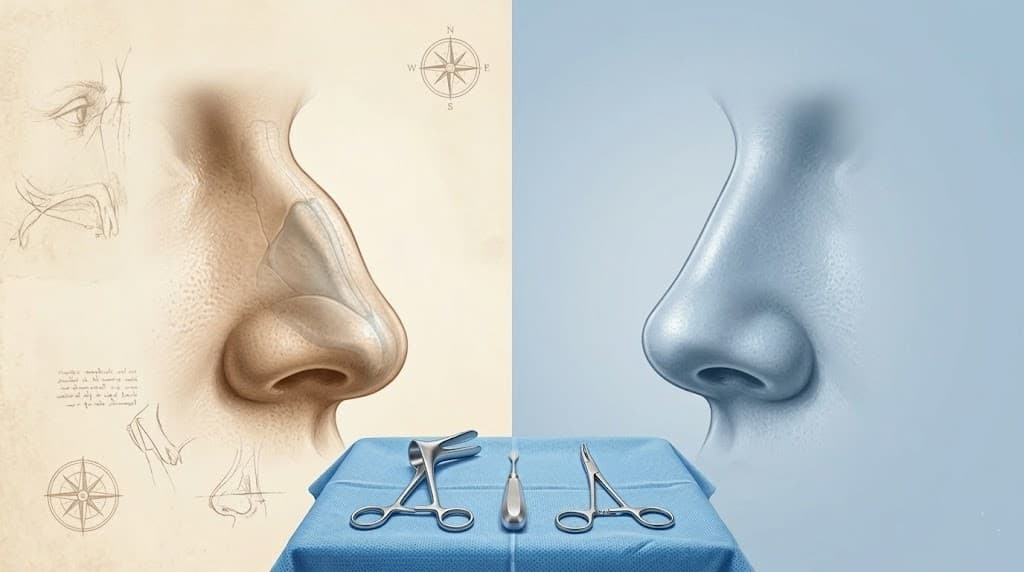
Rhinoplasty, medically known as rhinoplasty, is a surgical procedure performed to correct congenital, acquired, or trauma-related deformities in the shape of the nose. Frequently preferred both for aesthetic purposes and to improve respiratory function, rhinoplasty is one of the most common procedures in the field of plastic surgery. Thanks to modern techniques, the operation process has become more comfortable and safer compared to the past.
What is a Rhinoplasty Surgery?
Rhinoplasty surgery aims to reshape the nose and, when necessary, achieve functional improvement by making changes to the bone and cartilage structures of the nose. The procedure can provide a nose structure that is more harmonious with the person's facial features. At the same time, it plays an important role in solving medical problems such as difficulty in breathing. This operation, which offers both aesthetic and functional benefits, can provide a significant increase in the person's overall quality of life and self-confidence.
Why is Rhinoplasty Surgery Preferred?
Rhinoplasty is performed for two main reasons:
Functional reasons: Difficulty in breathing may occur due to structural problems of the nose that are congenital or develop later in life. Such anatomical disorders may be visible externally or may be limited only to internal structures.
Aesthetic reasons: If a person is not satisfied with the appearance of their nose, surgical alteration may be preferred to achieve a more balanced or desired appearance.
What is Nasal Tip Aesthetics (Tip Plasty)?
Deformities such as asymmetry, width, drooping, or sharpness may be seen at the nasal tip. In this specific case, only the cartilage and soft tissues at the nasal tip are targeted; the bone structures are not touched. Nasal tip aesthetics has become a more preferred method in recent years, especially because it is minimally invasive and the recovery period is relatively short. The operation usually takes 30-60 minutes and the patient is often discharged on the same day.
Who is Suitable for Rhinoplasty Surgery?
Rhinoplasty is a surgical procedure that can be performed on both women and men. The following conditions indicate candidacy for rhinoplasty:
Curvature or protrusions in the nasal bones
Deformity in the cartilage
Excessively large or asymmetric nose
In the decision-making process, the potential benefit on respiratory function should be considered as well as personal preferences. In these surgeries performed for medical and aesthetic reasons, the surgeon's expertise and experience are highly important.
What Preparations Are Made Before Rhinoplasty?
During the preoperative evaluation, your expectations and health status should be discussed in detail with your doctor. The skin of the nose, internal and external structures are examined; laboratory tests may be requested if necessary. Rhinoplasty for aesthetic purposes is not recommended in diseases that cause a tendency to bleed, such as hemophilia. In addition, it is important for your safety to inform your doctor about all medications and supplements you use. It is recommended not to use blood-thinning medications such as ibuprofen and aspirin for two weeks before the surgery.
How is Rhinoplasty Surgery Performed?
Rhinoplasty is mostly performed under general anesthesia; local anesthesia may also be preferred in simple procedures. The operation usually takes 1-3 hours; for interventions targeting the nasal tip, this period may be shorter. The surgeon changes the size, angle, or bridge of the nose as needed, and rearranges the nostrils and nasal tip. After the operation, minor correction procedures may be necessary in some patients to achieve the desired results.
What Are the Methods of Rhinoplasty?
Rhinoplasty is performed using two main techniques:
1. Open Rhinoplasty:
An incision is made between the nostrils, providing the surgeon with a wide field of view during the procedure. It is preferred in patients who have had previous surgery or have advanced deformities. The recovery period may be longer.
2. Closed Rhinoplasty:
The incisions remain inside the nostrils and there is no visible scar. It is generally used for smaller deformities and the recovery period is shorter.
Who is Suitable for Closed Rhinoplasty?
Closed rhinoplasty may be preferred in individuals who do not want visible scars after surgery and do not have a serious nasal deformity. If necessary, minor revisions can also be performed after closed rhinoplasty.
Non-Surgical Rhinoplasty Applications
In mild nasal deformities that do not require surgical intervention, the nasal contour can be corrected with fillers such as hyaluronic acid. Known as "liquid rhinoplasty" or nasal filling, this method is applied in a short time and its results generally last from several months to several years. The reliability of the material used and the doctor's experience are important for the success and safety of this procedure.
Who Should Not Have Rhinoplasty?
In some cases, rhinoplasty surgery is not recommended:
Body dysmorphic disorder: It is a psychiatric condition in which the person experiences excessive discomfort with their body image. In these patients, the risk of permanent dissatisfaction is high; psychiatric counseling is recommended.
Obstructive sleep apnea: Careful evaluation is required as it may increase the risk of anesthesia. If necessary, respiratory support (such as a CPAP device) should be provided.
Bleeding disorders: Since the risk of bleeding increases after the operation, the tendency to bleed should be thoroughly investigated before surgery.
In individuals who have previously undergone rhinoplasty, it is generally recommended to wait at least one year before a new surgery.
What Should Be Considered After Rhinoplasty?
Mild pain and dizziness may occur after surgery. It is recommended to get support when getting out of bed in the first hours. The medications prescribed by your doctor should be used regularly. Mild bleeding in the throat and nausea may occur after surgery and are usually temporary. It is recommended to wait until nausea subsides before starting to eat or drink water.
The nasal tampon and splint are usually removed within a few days to a week. Swelling and bruising decrease over time; most patients can return to daily life 7-10 days after surgery.
Rhinoplasty Results and Recovery Process
The recovery period varies depending on individual factors and the extent of the procedure performed. Most of the swelling subsides within the first month, while it may take about a year for the nose to take its final shape. It is natural for postoperative swelling to be more pronounced in the morning. In the long term, the nose will harmonize better with the face and patient satisfaction is generally high.
The Importance of Doctor Selection in Rhinoplasty (Rhinoplasty) Operations
To preserve the aesthetic and functional structure of the nose, the operation must be performed by a specialist and experienced surgeon in the field. The choice of surgeon directly affects both the success of the operation and the prevention of possible complications. The physician's experience and the support provided before and after the procedure ensure a healthy recovery process for the patient.
Factors Affecting Rhinoplasty Surgery Prices
Rhinoplasty costs vary depending on the complexity of the procedure, the surgeon's expertise, the characteristics of the healthcare institution where the procedure will be performed, and the patient's specific needs. It is important to have a detailed consultation with your physician when determining the price; because the exact cost can only be clarified after patient evaluation.
Frequently Asked Questions
Is rhinoplasty surgery risky?
Rhinoplasty is generally a safe surgical procedure, but as with any surgery, there may be rare risks such as bleeding, infection, and anesthesia-related complications. These risks are minimized in individuals working with a specialist surgeon in the field.
How long does the recovery process take?
The initial recovery usually takes place within 7-10 days taWhile healing, it may take between 6 months and 1 year for the nose to take its final shape. Swelling and bruising largely subside within a few weeks.
Is rhinoplasty a permanent solution?
Rhinoplasty procedures that are properly planned and successfully performed offer long-lasting results for many years. However, although very rarely, the nose may change shape again or additional corrective surgeries may be needed.
Will there be any scars after the surgery?
In closed rhinoplasty, scars remain inside the nostrils and are not visible from the outside. In procedures performed with the open technique, the scars are usually very thin and fade over time.
Is it a painful procedure?
With modern anesthesia methods, no pain is felt during the procedure. Mild pain may occur after the operation, but it is usually easily controlled with painkillers.
What is the difference between nasal fillers and rhinoplasty?
Nasal fillers are a non-surgical, temporary method and are preferred for minor deformities. Rhinoplasty, on the other hand, is a surgical and permanent solution.
Is nasal surgery suitable for everyone?
It may not be suitable for people with bleeding disorders, severe psychiatric problems, or certain respiratory issues. An evaluation by a specialist physician is required before making a decision.
When can I return to my routine life?
Most people can return to work and social life within 1 week after surgery. You should pay attention to the waiting period recommended by your doctor for physical activities and strenuous exercise.
Will I experience breathing problems after rhinoplasty?
In operations performed with the correct techniques, breathing usually improves. However, rarely, temporary shortness of breath may develop due to internal nasal swelling or structural issues; in this case, you should consult your doctor.
Does the surgical method change according to the type of nose?
Yes, factors such as the amount of bone, cartilage, and skin thickness in the nasal structure affect the surgical technique to be applied.
Who is suitable for nasal tip lifting procedures?
It is a beneficial approach for people with nasal tip drooping, width, or deformity. Since only the nasal tip is operated on, the recovery period is shorter.
What should I pay attention to before surgery?
Smoking and alcohol use should be stopped at least 2 weeks in advance; all current medications must be reported to your doctor. Mental and psychological preparation before surgery is also important.
Are swelling and bruising permanent after rhinoplasty?
No, swelling and bruising usually decrease significantly within the first few weeks and are completely temporary.
Is there an age limit?
Generally, individuals who have completed facial development and are 18 years or older are suitable for this operation. However, there may be exceptions with a doctor's decision in special cases.
Is non-surgical rhinoplasty safe?
It is generally safe when performed by experienced specialists. However, its effects are temporary and may need to be repeated.
References
American Society of Plastic Surgeons (ASPS) – Rhinoplasty Basics
World Health Organization (WHO) – Safe Surgery Guidelines
American Academy of Otolaryngology – Head and Neck Surgery: Rhinoplasty Patient Information
European Academy of Facial Plastic Surgery (EAFPS) – Current Trends in Rhinoplasty
Mayo Clinic – Rhinoplasty Overview and Risks