What is Abdominal Bloating? Causes and Effective Approaches

What is Abdominal Bloating?
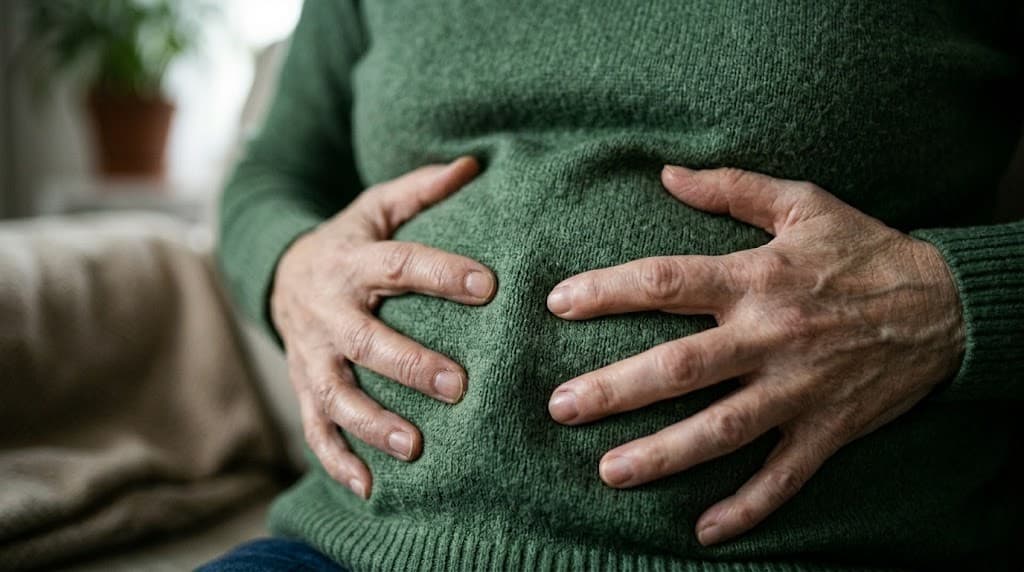
Abdominal bloating is a very common complaint in society, characterized by discomfort, fullness, pressure, or a feeling of indigestion in the abdominal area. This condition usually arises due to the accumulation of gas or an increase in fluid in the stomach and intestines. The formation of a certain amount of gas in the digestive system is normal and does not adversely affect health. However, when the amount of gas increases or the body has difficulty expelling this gas, abdominal bloating, tension, and various symptoms may occur.
Abdominal bloating is a condition that everyone may experience at certain times. However, if it becomes chronic or persistent, the underlying causes should be evaluated. Bloating may result from a temporary situation, but sometimes it can also be a sign of serious health problems. Therefore, it is especially recommended that persistent and unusual bloating be evaluated by a specialist.
In Which Situations Does Abdominal Bloating Occur?
Abdominal bloating can develop due to many reasons. The most common causes include digestive system diseases (such as irritable bowel syndrome, celiac disease, gastritis, ulcer, and constipation), food intolerances, food allergies, unhealthy eating habits, stress, and the formation of edema in the body.
The main factors that can lead to abdominal bloating are as follows:
Digestive system diseases: Conditions such as celiac disease, irritable bowel syndrome (IBS), ulcer, gastritis, constipation, dyspepsia, stomach and intestinal cancers, gallbladder problems, and hiatal hernia.
Edema (fluid accumulation): Excess sodium intake, insufficient physical activity, and low potassium intake can cause fluid retention in the body. This can lead to bloating in the abdominal area.
Unhealthy diet: Excessive carbohydrate consumption, preference for foods low in fiber, and habits such as eating quickly can increase the feeling of bloating in the digestive system.
Food allergies and intolerances: Sensitivity to certain foods such as milk and dairy products, eggs, soy, gluten, and wheat can result in abdominal bloating. In addition, gas-producing foods such as legumes, cabbage, cauliflower, and broccoli can also cause this condition.
Stress: Psychological stress has direct negative effects on the digestive system and can disrupt regular digestive flow.
Persistent Abdominal Bloating and Situations That Should Be Taken Seriously
If abdominal bloating occurs frequently or does not resolve for a long time, it may indicate an underlying significant health problem. In some cases, serious diseases such as intestinal obstructions, tumors, excessive fluid accumulation (ascites), or bleeding can also cause abdominal bloating. Additionally, food intolerances such as lactose intolerance and gluten sensitivity often manifest with abdominal bloating. In such cases, specialist evaluation is of great importance.
Lower Abdominal Bloating: Causes and Approaches
Bloating in the lower abdomen may arise from different causes than bloating in the upper abdomen. Especially in women, hormonal changes before the menstrual period, urinary tract infections, urinary stones, ovarian cysts, pelvic inflammatory diseases, constipation, or intestinal problems may play a role. Lower abdominal bloating may sometimes be due to shorter-term and simpler causes such as diarrhea or urinary tract infections. However, if severe pain, high fever, or unexplained weight loss are added to the picture, medical evaluation is essential.
Methods Used to Relieve Lower Abdominal Bloating
The treatment of lower abdominal bloating varies depending on the underlying cause. While antibiotic treatment may be necessary for urinary infections, surgical intervention or medications may be considered for stones. For ovarian cysts, solutions such as monitoring or surgery are possible. In cases of bloating due to constipation, dietary changes and lifestyle adjustments are generally recommended. Therefore, in cases of lower abdominal bloating that do not resolve spontaneously, it is best to consult a doctor.
What Symptoms Occur During Stomach Bloating?
When stomach or abdominal bloating is experienced, symptoms may vary from person to person. The most common symptoms are as follows:
Increased belching and expulsion of gas through the mouth,
Outward enlargement of the abdominal area,
Abdominal pain and cramps,
A feeling of fullness and pressure in the abdomen,
Sometimes shortness of breath or frequent urge to urinate.
Effective Methods to Relieve Stomach Bloating
It is possible to recommend some lifestyle changes to cope with abdominal bloating and relieve discomfort:
Eating slowly and mindfully: Consuming meals slowly and chewing thoroughly instead of eating in a hurry can prevent swallowing excess air.
Not talking excessively during meals: This also reduces the amount of air swallowed.
Walking: Light exercise can help stimulate the digestive system and expel gas from the body.
Applying abdominal massage: It has a relaxing effect on the abdominal muscles and facilitates digestion.
Herbal teas: Certain herbal teas such as ginger, turmeric, chamomile, mint, and green tea can help reduce bloating by supporting digestion.
Drinking lemon water: Especially when consumed in the morning, lemon water may have a stimulating effect on the digestive system.
Foods containing probiotics: Foods such as yogurt that support intestinal health may be beneficial for individuals without lactose intolerance.
Heating pad or hot bath: Can help relax the abdominal muscles and reduce bloating.
Avoiding carbonated beverages and fatty foods.
Avoiding stress: Using stress management techniques as much as possible can positively affect the digestive system.
In addition, consuming plenty of water, adequate physical activity, and eating a balanced, fiber-rich diet play an important role in combating abdominal bloating.
Medical and Supportive Approaches in Abdominal Bloating
In the treatment of abdominal bloating, the primary goal is to identify the underlying cause and determine an appropriate approach. In cases of long-standing or severe complaints, advanced investigations such as endoscopy or colonoscopy may be recommended by a doctor. Depending on the cause, medical treatments, lifestyle changes, or special diet programs may be necessary. In some cases, probiotic supplementation may be beneficial.
In the general approach against bloating; eating small amounts of food at frequent intervals, regulating bowel habits, adequate water intake (usually 2-3 liters per day is recommended), and regular exercise are advised. Physical activities such as swimming, running, and walking support digestion, while relaxing exercises such as yoga and pilates may also be beneficial.
If abdominal bloating develops suddenly and is accompanied by warning symptoms such as severe pain, high fever, or blood in the stool, it is necessary to seek medical attention as soon as possible.
Frequently Asked Questions
1. When can abdominal bloating be a serious health problem?
If your abdominal bloating has been ongoing for a long time, is rapidly increasing, or is accompanied by different complaints such as severe pain, sudden weight loss, blood in the stool, or high fever, you should definitely consult a doctor. Because it may also be a sign of some serious diseases.
2. What types of foods should I avoid to relieve abdominal bloating?
Gas-producing legumes, cabbage, broccoli, carbonated beverages, excessively fatty and processed foods, and foods to which you are sensitive such as lactose and gluten can increase abdominal bloating. It would be helpful to observe which foods affect you adversely.
3. Which herbal teas are good for bloating?
Various herbal teas such as ginger, chamomile, turmeric, mint, and green tea may have digestion-supporting effects. However, with continuous use
first make sure that there is no underlying disease.4. Is walking beneficial for abdominal bloating?
Yes, walking and light exercises help the digestive system function and may facilitate the expulsion of gas.
5. Should everyone with abdominal bloating use probiotics?
Probiotics may be beneficial for some individuals, but since they may not be suitable for everyone, it is important to consult a healthcare professional before using probiotics, especially in cases of severe and persistent complaints.
6. In which situations should a doctor be consulted urgently for abdominal bloating?
If bloating is accompanied by severe pain, high fever, shortness of breath, sudden weight loss, yellowing of the skin, or blood in the stool, urgent evaluation is required.
7. What lifestyle changes are beneficial for abdominal bloating?
Balanced and portion-controlled nutrition, eating slowly and mindfully, adequate water intake, regular exercise, and managing stress reduce the risk of bloating.
8. Why is lower abdominal bloating more common in women?
Hormonal changes before menstruation, ovarian cysts, and pelvic infections are among the main causes that can lead to lower abdominal bloating in women.
9. What symptoms should be monitored along with stomach and intestinal bloating?
Complaints such as belching, a feeling of fullness and pressure in the abdomen, cramps, sometimes shortness of breath, frequent urge to use the restroom, or spasms may be observed.
10. What should be done if bloating does not resolve despite all precautions?
If abdominal bloating persists despite all precautions, it is essential to consult a doctor, especially to determine whether there is an underlying disease.
References
World Health Organization (WHO). Global Gastrointestinal Health Facts.
U.S. Centers for Disease Control and Prevention (CDC). Gastrointestinal (GI) Symptoms and Complications.
American College of Gastroenterology. Patient Information: Bloating, Gas, and Flatulence.
National Institute of Diabetes and Digestive and Kidney Diseases (NIDDK). Gas in the Digestive Tract.
Mayo Clinic. Abdominal bloating: Causes, symptoms and treatments.