Inflammation of the Stomach Lining: What You Need to Know About Gastritis

Gastric Acid and Protective Mechanisms
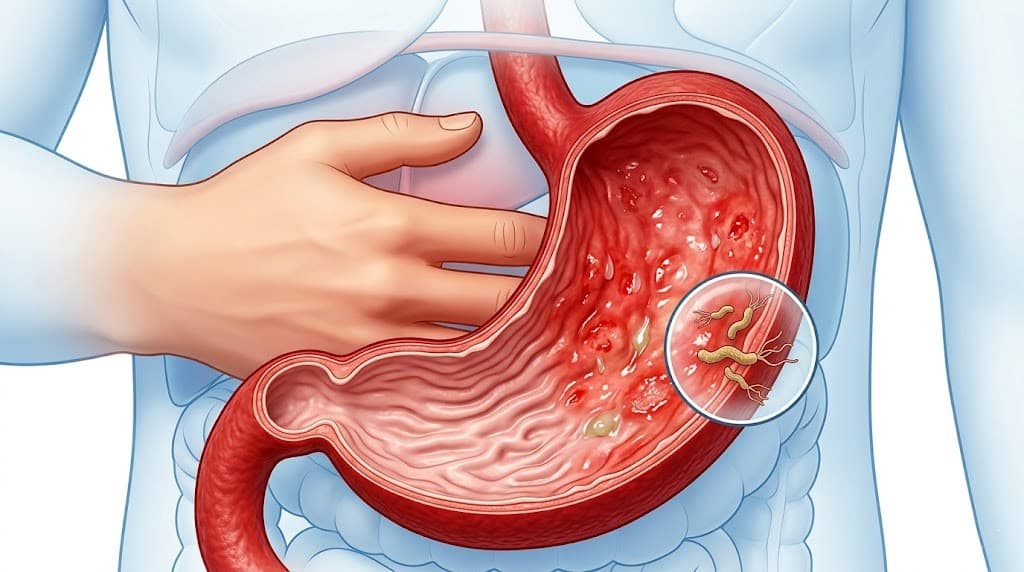
The stomach produces a strong acidic fluid that plays an important role in the digestive process. This acid is secreted from numerous glands located on the inner surface of the stomach. To prevent damage to the stomach lining (mucosa), this inner surface is covered by a thin and protective mucus layer produced by specialized cells. However, in some cases, either the stomach's protective barrier can be damaged or excessive stomach acid may be produced. As a result, the stomach lining can become inflamed, leading to a condition known as gastritis.
What is Gastritis?
Gastritis refers to the inflammation of the lining (mucosa) that covers the inside of the stomach. It mostly occurs as a result of increased stomach acid or damage to the protective layer. In this case, stomach acid comes into direct contact with the stomach tissue and causes cellular damage. Gastritis can be seen in two main forms: acute (sudden onset) or chronic (slowly developing and long-lasting).
Acute gastritis usually presents with distinct and severe abdominal pain, nausea, vomiting, and loss of appetite. Chronic gastritis, on the other hand, often does not cause symptoms or manifests as mild discomfort, indigestion, bloating, and a feeling of fullness after meals.
Causes of Gastritis
The most common cause of gastritis is infections that develop due to the colonization of the stomach by a bacterium called Helicobacter pylori. However, many other factors can also cause inflammation of the stomach lining:
Smoking
Excessive alcohol consumption
Long-term use of non-steroidal anti-inflammatory drugs such as aspirin and ibuprofen
Physical stresses such as serious illnesses, major surgical interventions, severe injuries, and serious burns
Intense psychosocial stress
Other bacterial, viral, or fungal infections
Food allergies
Radiotherapy applications
Aging
Food poisoning
Conditions in which the immune system targets the stomach tissue (autoimmune gastritis or type A gastritis)
What are the Symptoms of Gastritis?
The symptoms of gastritis may vary in each individual. Some people may not experience any symptoms, while others may have pronounced complaints.
Symptoms of Acute Gastritis
Sudden onset pain, usually felt in the middle and upper abdomen (especially increased with pressure)
Pain radiating to the back
Nausea and vomiting
Loss of appetite
Frequent belching
Feeling of fullness and bloating in the abdomen
Bloody or dark brown vomiting
Blood in the stool or blackish stool (melena)
Heartburn and acid reflux
Symptoms of Chronic Gastritis
Chronic gastritis usually does not cause any symptoms. Mild symptoms that may be seen include bloating after meals, persistent belching, and mild indigestion. However, if chronic gastritis is left untreated over time, it can increase the risk of developing significant health problems such as stomach or duodenal ulcers and stomach cancer.
Types of Gastritis: Classification by Localization and Causes
Gastritis is referred to by different names depending on the area of involvement in the stomach:
Antral Gastritis: This type of gastritis is located in the exit part of the stomach (antrum), is the most common form, and is often associated with H. pylori.
Pangastritis: Affects a wide area of the stomach lining.
Corpus Gastritis: Develops in the body (corpus) part of the stomach.
Chronic gastritis is divided into three main subtypes according to its cause:
1. Autoimmune Gastritis (Type A): Develops as a result of the body's immune system mistakenly reacting against stomach cells. It is mostly accompanied by vitamin B12 deficiency.
2. Bacterial Gastritis (Type B): Is due to bacterial infections, especially H. pylori.
3. Chemical Gastritis (Type C): Occurs as a result of long-term drug use (especially NSAIDs), excessive alcohol intake, or rarely bile reflux.
How is Gastritis Diagnosed?
The first step in diagnosis is to take a detailed medical history from the patient. In addition to complaints, medications used, dietary habits, alcohol and smoking use, and general health history are evaluated. The doctor determines painful areas through abdominal examination.
When necessary, imaging methods such as abdominal ultrasound can be used. X-ray examination is generally preferred only in cases where serious conditions such as stomach perforation are suspected. The most reliable method for confirming gastritis and investigating the underlying cause is upper gastrointestinal endoscopy. During endoscopy, a biopsy can also be taken from the stomach tissue if needed.
Additionally, blood tests can be used to investigate markers of inflammation, infection, and autoimmune response. In suspected autoimmune gastritis, specific antibodies are checked. A stool test can detect whether there is bleeding in the stool.
Approach to Gastritis Treatment
In many people, gastritis can be managed with lifestyle changes and attention to diet. However, medication therapy is also applied when necessary.
The recommended first steps are as follows:
Avoiding coffee, alcohol, and smoking, which irritate the stomach
Avoiding spicy and acidic foods
If there are pronounced complaints, temporarily reducing food intake or preferring light, easily digestible foods
Practicing stress management (e.g., relaxation exercises, meditation)
Commonly used medications in medical treatment include:
Antacids, proton pump inhibitors (PPI), and H2 receptor blockers that reduce stomach acid
Vitamin B12 supplements in autoimmune gastritis
The most important part of treatment is managing the underlying cause (e.g., H. pylori infection, long-term drug use, autoimmune mechanisms) under the supervision of a physician. Regular follow-up and monitoring are important to prevent serious complications that may develop in the future.
Nutritional Recommendations for Patients with Gastritis
Diet plays an important role in the treatment of gastritis and in alleviating symptoms. In particular, stomach-friendly, fiber-rich, and anti-inflammatory foods should be preferred. Studies have shown that foods containing probiotics, such as homemade yogurt and sauerkraut, may be protective against certain types of bacteria. In addition, vegetables such as broccoli, ginger, garlic, carrots, and herbal teas may help alleviate gastritis symptoms.
Recommended foods and beverages:
Fresh vegetables and fruits (for example, apple, carrot, broccoli)
Whole grains, oatmeal, beans, and other high-fiber foods
Low-fat meats (chicken, turkey, fish)
Coconut oil
Foods rich in probiotics (tarhana, yogurt, sauerkraut)
Foods to avoid:
Chocolate, coffee, alcohol
Tomatoes and excessively acidic foods
Processed foods high in fat and sugar
Heavily spiced and fried foods
Ready-made and frozen foods
Artificial sweeteners and additives
It should be remembered that everyone's stomach sensitivity may be different. It is important to consult a healthcare professional before making dietary changes or starting treatment.
Frequently Asked Questions
1. Does gastritis resolve on its own?
In some cases, especially if the cause is eliminated (such as discontinuation of medication or quitting alcohol and smoking), gastritis may improve. However, prolonged or severe symptoms should definitely be evaluated by a physician.
2. What is the likelihood of gastritis leading to stomach cancer in the futuredir?
Chronic gastritis, especially in cases that persist for years and are left untreated, can increase the risk of stomach cancer. Therefore, regular monitoring and appropriate treatment are important.
3. What is Helicobacter pylori and how does it affect gastritis?
Helicobacter pylori is a type of bacteria that can live in the mucosa of the stomach. It can cause inflammation in the stomach lining, leading to gastritis. Treatment usually involves antibiotics and medications that suppress stomach acid.
4. When should a person with gastritis consult a doctor?
If there are complaints such as abdominal pain, nausea, vomiting, bloody or black vomit, or blood in the stool, a doctor should be consulted without delay. Even long-term mild symptoms definitely require medical evaluation.
5. What is the most effective treatment method for gastritis?
Treatment is determined according to the underlying cause. The most effective approach is to change lifestyle, avoid factors that harm the stomach, and regularly use the medications recommended by the doctor.
6. Can gastritis be completely cured?
With appropriate treatment and precautions, gastritis usually improves. However, if the cause is not eliminated, it may recur. Regular doctor check-ups are beneficial in chronic cases.
7. Can stomach-protective drugs be safely used in gastritis?
Proton pump inhibitors and antacids can be safely used with a doctor's recommendation. Using them on your own and for a long time may increase the risk of side effects.
8. How long should a gastritis diet be followed?
The duration of the diet may vary depending on the person and the type of gastritis. In general, it is recommended to maintain healthy eating habits until symptoms decrease, and sometimes for a long period.
9. Do probiotic foods heal gastritis?
According to some studies, foods containing probiotics may help with gastritis by supporting digestive health, and may play a supportive role especially in the treatment of H. pylori infection.
10. Which beverages should be avoided in gastritis?
Coffee, alcohol, carbonated drinks, and fruit juices with high acid content are not recommended as they can irritate the stomach.
11. Is gastritis dangerous during pregnancy?
Gastritis symptoms during pregnancy can be uncomfortable, but most of the time do not cause serious problems. In any case, a consultation with the relevant obstetrician is recommended.
12. Can stress trigger gastritis?
Yes, intense stress can increase stomach acid production and worsen gastritis symptoms. Stress management may be beneficial.
13. Is gastritis contagious?
Helicobacter pylori infection can be transmitted from person to person, but not all types of gastritis are contagious. Personal hygiene measures are important.
14. Can children get gastritis?
Yes, gastritis can also develop in children. It may present with similar symptoms and definitely requires a doctor's evaluation.
References
World Health Organization, Helicobacter pylori and Gastric Cancer Fact Sheets
Centers for Disease Control and Prevention (CDC), Helicobacter pylori Information
American Gastroenterological Association (AGA), Gastritis Clinical Guidelines
Mayo Clinic, Gastritis overview
European Society of Gastrointestinal Endoscopy (ESGE), Clinical Practice Guidelines on Gastritis