Shortness of Breath (Dyspnea): Causes, Symptoms, and Solutions

What is Shortness of Breath?
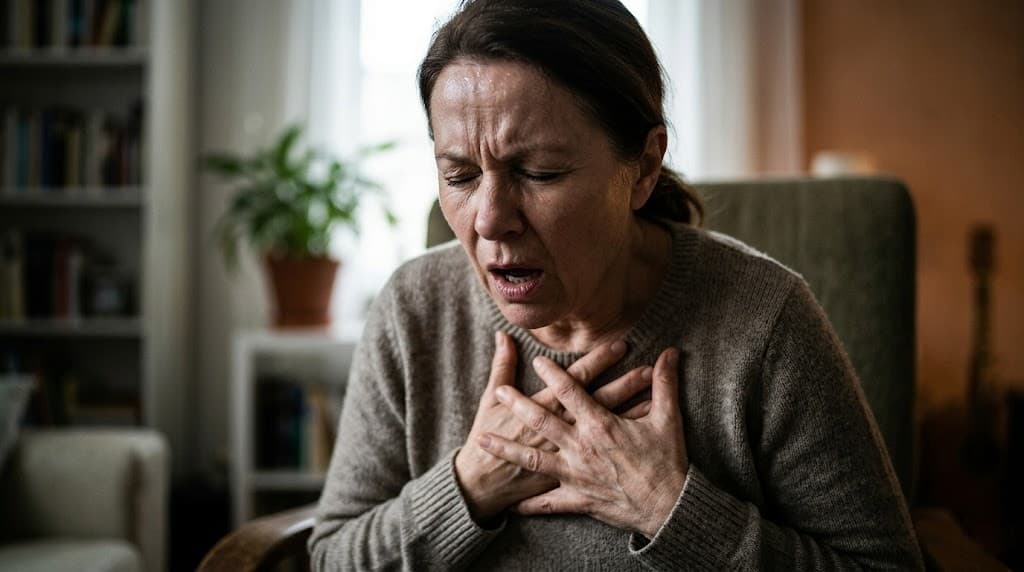
Shortness of breath, or dyspnea as it is known medically, is a complaint in which a person feels that they cannot fully utilize their current respiratory capacity and becomes more acutely aware of the act of breathing. Breathing movements, which are normally not felt in daily life, become noticeable for individuals experiencing shortness of breath. This condition, often described as “feeling like you can't get enough air,” “air hunger,” or “being out of breath,” can occur while climbing stairs, walking briskly, or even sometimes at rest. Occasionally, a person may feel unable to relax completely despite taking in enough air. Since shortness of breath can be related to both physical and psychological factors, it is a symptom that always requires a multidimensional evaluation.
In What Situations Does Shortness of Breath Occur?
Shortness of breath is a complaint that can affect a person's vital activities and lead to a significant decrease in quality of life. Although it can develop due to different causes, its main features include difficulty in breathing and increased awareness of this process compared to normal. Shortness of breath may arise from lung or heart disorders, as well as from psychological conditions and certain other systemic diseases.
Medically, shortness of breath is generally evaluated in two main groups:
1. Lung-related causes: Diseases or functional disorders occurring in the respiratory system.
2. Non-pulmonary causes: Primarily heart diseases, anemia, metabolic disorders, and psychological conditions.
Sudden onset shortness of breath is mostly associated with heart and lung diseases. Gradually increasing complaints suggest chronic or subacute causes. In addition, structural disorders in the nose or upper respiratory tract can also cause difficulty in airflow.
What Are the Common Symptoms of Shortness of Breath?
Shortness of breath may present not only on its own but also with accompanying symptoms. The most frequently observed symptoms are as follows:
Difficulty in breathing
Feeling of insufficient breath or air hunger
Wheezing, irregular, or whistling-like breathing
Chest congestion or pain
Waking up at night with a feeling of not being able to breathe
Needing to stop frequently and getting tired quickly during activities that require effort, such as climbing stairs
Coughing up bloody sputum
Sudden or chronic cough
Persistent weakness or fatigue
Dizziness, headache
Swelling (edema) in the ankles and legs
Heart palpitations
Confusion or short-term loss of consciousness
Weight loss
If any of these symptoms are observed together with shortness of breath, it is important to consult a healthcare professional to determine the severity of the condition.
What Factors Cause Shortness of Breath?
The underlying causes of difficulty in breathing are generally divided into two groups: lung-related causes and non-pulmonary causes.
Lung-related causes may include the following:
Diseases that cause narrowing of the airways, such as asthma and bronchitis
Chronic Obstructive Pulmonary Disease (COPD)
Pneumonia
Pneumothorax (collapse of part or all of the lung)
Pulmonary embolism (clot formation in the lung vessel)
Lung cancer
Prolonged exposure to environmental or chemical factors
Allergic reactions
Smoking and air pollution
Airway obstructions due to foreign bodies (especially in children)
Non-pulmonary causes are mostly:
Heart diseases (such as heart failure or heart attack)
Anemia
High blood pressure
Poor circulation
Excess weight (obesity)
Neurological diseases (such as Guillain-Barre syndrome, Myasthenia gravis)
Psychological causes (such as panic attacks, anxiety disorders)
Blood loss or general loss of condition
Aging
In some cases, these factors may coexist. Whatever the cause, shortness of breath should be taken seriously and a doctor should be consulted to determine the underlying cause.
What Methods Are Used in the Diagnosis of Shortness of Breath?
When a person with shortness of breath seeks medical attention, a detailed medical history is first taken. Then, a physical examination is performed and, if deemed necessary, the following tests may be conducted:
Chest X-ray
Pulmonary function tests
Blood tests
Computed tomography
Bronchoscopy
ECG and cardiac tests (if a cardiac cause is suspected)
Psychological assessment if necessary
As a result of these examinations, the cause of shortness of breath is clarified and an individualized treatment plan is created.
Which Medical Specialties Are Involved in Shortness of Breath?
Individuals experiencing shortness of breath may first consult a family physician or an internal medicine specialist. Depending on the cause of the complaints, a pulmonologist for lung diseases or a cardiologist for heart-related problems may conduct an evaluation. Support from more than one specialty may be sought if necessary.
What Lung Diseases Cause Shortness of Breath?
Some of the most common lung-related causes of shortness of breath are asthma, bronchitis, and COPD. Asthma, in particular, leads to narrowing of the airways and a feeling of tightness in the chest. Wheezing or whistling-like breathing is frequently observed. Colds, flu, allergies, intense exercise, or polluted air can also cause airway constriction. In addition, inhalation of toxic gases, chemical cleaning products, or substances formed by mixing two different cleaning agents may trigger shortness of breath.
Pneumothorax (lung collapse) presents with pain and sudden respiratory difficulty, while clot formation in the lung vessels (pulmonary embolism) manifests with severe chest pain, bloody sputum, fainting, and severe shortness of breath.
Heart Diseases Causing Shortness of Breath
Heart disorders are also an important cause of shortness of breath. Shortness of breath frequently occurs in the early period of a heart attack and in heart failure. In addition, patients may experience a feeling of not being able to breathe adequately in circulatory disorders caused by heart palpitations, high blood pressure, or heart valve diseases. Cardiac pulmonary edema is a condition that requires emergency intervention and is characterized by severe shortness of breath and edema.
What Helps Relieve Shortness of Breath?
The most effective way to alleviate shortness of breath is to first identify the underlying cause and initiate appropriate medical treatment. The treatment process should be planned under the supervision of a specialist physician. In addition, the following measures may help control complaints:
Absolutely avoid smoking and tobacco products
Avoid exposure to polluted air and intense chemical fumes
Ensure good ventilation of living spaces
Increase physical activity to strengthen respiratory muscles, but start an exercise program under medical supervision
Pay attention to weight control
Protect yourself from allergens
Have regular health check-ups
Additionally, stress management, practicing proper breathing techniques, and maintaining a healthy sleep pattern have a positive effect on overall respiratory health.
Effective Strategies to Reduce Shortness of Breath
For individuals with chronic respiratory diseases, allergies, or other persistent health problems, regular follow-up and appropriate medication are essential. Quitting smoking, regular exercise, and weight management play an important role in reducing shortness of breath. Learning breathing exercises and relaxation techniques helps facilitate comfortable breathing in daily life.
� may be. If you experience a sudden worsening of your condition, severe symptoms such as shortness of breath even at rest or chest pain, you should definitely seek medical attention without delay.Frequently Asked Questions
1. What causes shortness of breath?
Shortness of breath can occur due to a wide range of causes, including lung or heart diseases, anemia, obesity, neurological disorders, environmental effects, and psychological factors.
2. Which doctor should I see for shortness of breath?
Family physicians, internal medicine specialists, chest diseases (pulmonology) or cardiology specialists can evaluate this issue. Referral is made according to your complaints and the underlying cause.
3. What should I do if shortness of breath starts suddenly?
If you have sudden and severe shortness of breath, chest pain, or symptoms such as fainting, you should seek emergency medical help.
4. I have shortness of breath but no known illness, could this be psychological?
Yes, psychological stress, anxiety, and panic attacks can cause shortness of breath. However, other medical causes should be ruled out first.
5. What can I do at home to relieve shortness of breath?
Quitting smoking and similar harmful habits, ventilating the home environment, protecting yourself from stress and allergens, and practicing breathing exercises that can be learned from your doctor may help.
6. What should I do if I experience shortness of breath while sleeping?
If you experience shortness of breath at night, especially due to sleep apnea, heart or lung diseases, you should be evaluated; be sure to consult your doctor.
7. How is shortness of breath controlled in asthma and COPD?
With appropriate medication, quitting smoking, and regular doctor check-ups, it is possible to prevent attacks. Personalized breathing exercises may also be beneficial.
8. What causes shortness of breath in children?
The most common causes include upper respiratory tract infections, asthma, allergies, and foreign body aspiration. Sudden breathing difficulty requires emergency intervention.
9. Who is more likely to experience shortness of breath?
It is more common in older adults, smokers, people with chronic diseases, and those under intense stress.
10. Can shortness of breath be related to weight?
Yes, in overweight individuals, lung capacity may decrease and respiratory muscles may be strained; this can be a cause of shortness of breath.
11. What tests are performed for shortness of breath?
After patient history and physical examination, chest X-ray, blood tests, pulmonary function tests, ECG, and advanced imaging methods if necessary may be requested.
12. Can shortness of breath be temporary?
Yes, if it is due to an infection or a short-term environmental effect, it may resolve completely. However, if complaints persist or worsen, you should consult a doctor.
References
World Health Organization (WHO) — Chronic Respiratory Diseases Factsheet
American Lung Association — What is Shortness of Breath?
American Heart Association — Shortness of Breath
Chest Journal — Evaluation of Dyspnea in the Clinical Setting
European Respiratory Society — Guidelines for the assessment of dyspnea