What is Low PO2 in Blood? The Importance and Management of Oxygen Levels

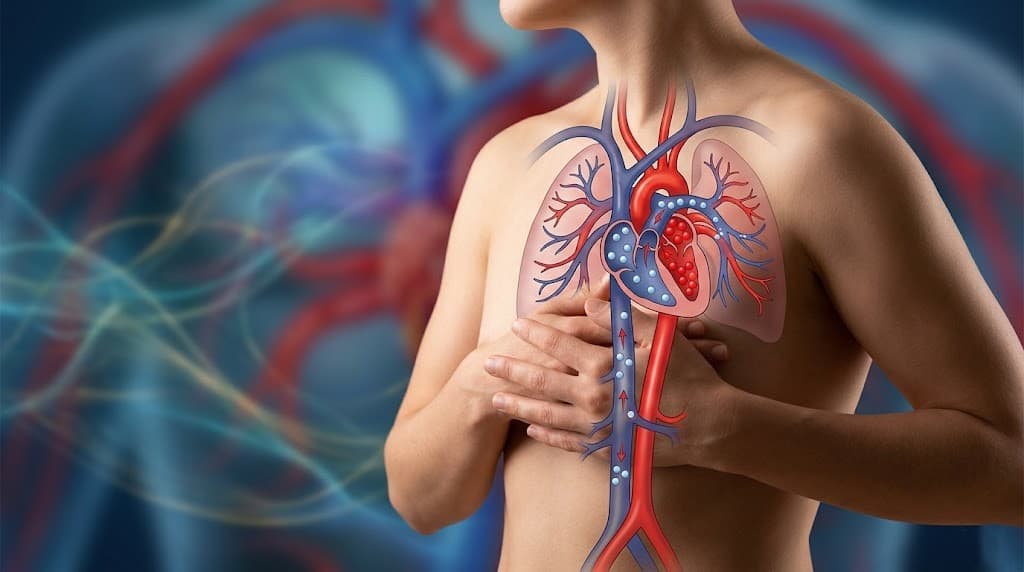
What is Low Po2?
Low Po2 means that the oxygen pressure in the blood drops below normal levels. This indicates that your body is not receiving enough oxygen and usually appears as a sign of a respiratory system problem. A decrease in Po2 level leads to a reduction in the oxygen delivered to cells and organs. As a result, daily life activities may become more difficult, and energy loss and various health problems may occur.
What Causes Low Po2?
Low Po2 in the blood can develop due to many different reasons. The most common causes include respiratory system diseases (such as chronic obstructive pulmonary disease - COPD, asthma, pneumonia), heart disorders, blood diseases such as anemia, and circulatory system problems. In addition, conditions such as carbon monoxide poisoning or sleep apnea can also have negative effects on Po2 levels.
Advanced age, chronic diseases, kidney failure, and various metabolic disorders can also contribute to a decrease in Po2 values. Since the causes may vary from person to person, a doctor's evaluation is required to determine the underlying reason.
How is Low Po2 in the Blood Diagnosed?
The definitive diagnosis of low Po2 level is made by arterial blood gas analysis. However, this test is usually requested when there are complaints such as shortness of breath, chest pain, dizziness, or confusion. In addition, testing for low Po2 is recommended in the following situations:
COPD and other lung diseases
Respiratory failure
Heart attacks and heart failure
Severe circulatory disorders or vascular obstructions
Delayed recovery after anesthesia
Carbon monoxide or other poisonings
Kidney and metabolic diseases
If you experience any respiratory problem, sudden dizziness, or change in consciousness, you should apply to a healthcare institution and ensure that the necessary tests are performed.
What are the Symptoms of Low Po2?
The following symptoms may occur when the Po2 level in the blood decreases:
Difficulty speaking, trouble finding words
Problems with attention and concentration
Dizziness and even fainting
Pain in the chest area
Difficulty or rapid breathing
Constant fatigue, low energy
General weakness and feeling of exhaustion
People experiencing such symptoms should consult a healthcare professional without delay and, if necessary, have a blood gas test after evaluation.
How is Low Po2 Treated?
Treatment is shaped according to the cause of low Po2 and the patient's general health status. The most common approach is oxygen therapy. With oxygen support, the oxygen level in the blood can be increased in a short time, thus providing the oxygen needed by the organs.
If oxygen therapy is not sufficient or if the underlying disease requires another treatment, drug therapies and, rarely, surgical methods may also be considered. The main goal in treatment is to identify and, if possible, eliminate the underlying disease causing low Po2. A personalized treatment plan should be followed under the supervision of a specialist physician.
What Should Be Done to Maintain Normal Po2 Levels in the Blood?
A healthy lifestyle helps maintain normal Po2 levels in the blood. The following measures that support lung and heart health will be beneficial:
Avoiding smoking and alcohol consumption
Paying attention to air quality, not staying in polluted environments for long periods
Exercising regularly and maintaining an active lifestyle
Consuming enough fluids, eating a balanced and healthy diet
Maintaining weight control, striving to stay at an ideal body weight
If there is any chronic disease or respiratory problem, it is also important not to neglect doctor check-ups and to have regular follow-ups.
Frequently Asked Questions
1. What is Po2, what does the Po2 value in the blood indicate?
Po2 refers to the pressure of oxygen circulating in the blood. It is measured by arterial blood gas testing and helps us understand whether the tissues are adequately oxygenated.
2. What are the symptoms of low Po2 in the blood?
The main symptoms include shortness of breath, fatigue, dizziness, chest pain, difficulty concentrating, and weakness.
3. Is it dangerous if Po2 is low?
Yes, a serious decrease in Po2 can impair organ functions and even be life-threatening. Therefore, medical evaluation is required.
4. What should the Po2 value be?
The normal arterial Po2 value is generally considered to be in the range of 75-100 mmHg. It may vary depending on age, health status, and general physiology.
5. What tests are performed to diagnose low Po2?
The most basic test is arterial blood gas analysis. Additional tests may be performed if deemed necessary.
6. What should be the first intervention for low Po2?
If there are emergency symptoms, a healthcare institution should be consulted as soon as possible and oxygen therapy should be administered if necessary.
7. Does low Po2 always indicate a serious problem?
It does not always indicate a severe disease; however, if it is significant and persistent, the cause must be investigated.
8. Is home oxygen therapy possible?
For some patients, home oxygen therapy can be administered on a physician's recommendation, but this process should be under doctor supervision.
9. Does smoking affect Po2 levels?
Yes, smoking impairs lung function and can lead to a decrease in Po2 levels in the blood.
10. Does being overweight cause low Po2?
As much as possible, excess weight can reduce respiratory capacity and cause oxygen levels to decrease.
11. Which diseases cause low Po2?
Low Po2 can be seen in many diseases such as COPD, asthma, pneumonia, heart failure, and anemia.
12. What can be done to prevent low Po2?
Regular exercise, a balanced diet, avoiding polluted air and smoking, and not neglecting health check-ups are good preventive measures.
References
World Health Organization. Chronic Respiratory Diseases.
American Thoracic Society. Oxygen therapy guidelines.
European Respiratory Society – Clinical Practice Guidelines.
U.S. National Library of Medicine - MedlinePlus: Blood gas test.