What You Need to Know About Eye Twitching

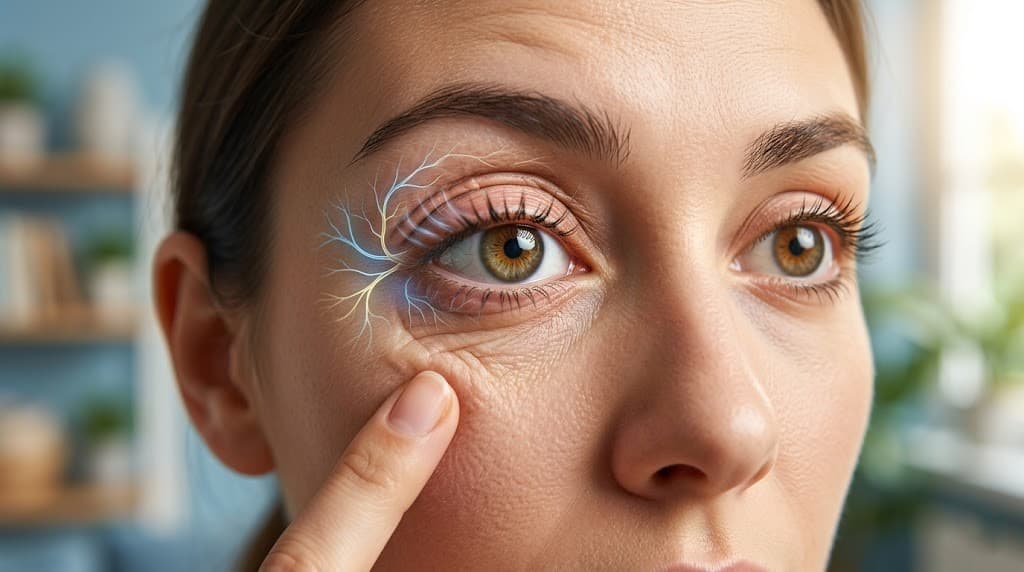
Eye twitching is an extremely common condition in society and, although generally considered harmless, it is actually a clinical picture that occurs with the involuntary contraction of the muscles in the eyelid. Although it usually occurs in daily life due to reasons such as fatigue or lack of sleep, it can sometimes be a sign of different underlying eye diseases. For this reason, it is important to consult an ophthalmologist in cases of prolonged or frequently recurring eye twitching.
What is Eye Twitching?
Medically known as "myokymia," eye twitching most commonly manifests as sudden, short-term, and involuntary movements (spasms) in the muscles of the eyelid. These contractions are usually seen in the upper eyelid; in some individuals, they may occur in the lower eyelid or in both eyelids. Twitching can be so mild and minimal as to go unnoticed, and sometimes may not occur at all or may happen several times throughout the day. Rarely, the contractions can be more severe and prolonged, even leading to the closure of both eyelids. This more serious condition is called "blepharospasm" and definitely requires medical evaluation.
Most of the time, twitching in the eyelid only causes localized and mild complaints. However, although rare, the presence of muscle twitching and uncontrolled movements in other areas of the face may indicate a neurological condition. In such cases, it is necessary to seek medical attention promptly.
Possible Causes of Eye Twitching
Eye twitching usually appears as a harmless and temporary condition. Although the exact cause is not clearly known in most cases, various triggering factors may play a role in eye muscle spasms:
Excessive fatigue
Insomnia or irregular sleep habits
Stress and tension
Irritation, allergy, or dryness in the eyes
Eye infections
Exposure to intense sunlight, wind, air pollution, or bright environments
Frequent eye rubbing or physical trauma
Excessive use of caffeine, alcohol, or tobacco products
Side effects of certain medications
Although very rarely, some neurological diseases or brain tumors can also be underlying causes of prolonged eye twitching. Therefore, if complaints persist for a long time, a specialist should definitely be consulted.
Causes of Twitching in the Left or Right Eye
The causes of twitching seen in both the right and left eyes are similar. Fatigue, increased stress levels, excessive intake of caffeine or alcohol, electrolyte imbalances, and certain medications can cause this condition. Rarely, eye twitching may be a sign of a health problem; in this case, eye examination and necessary investigations become important.
What Are the Symptoms of Eye Twitching?
The main symptom is rapid, rhythmic, and involuntary contractions in the eyelid (upper or lower). It is often painless, but may cause mild discomfort in some individuals. Twitching may last for a few seconds or may continue intermittently for days. In severe cases, it may cause the entire eyelid to close.
In Which Cases Should Medical Help Be Sought?
Most eye twitching resolves on its own in a short time and usually does not require treatment. However, if you experience complaints such as those below, you should not hesitate to consult an ophthalmologist:
If severe drooping develops in the eyelid
If there is excessive discharge or persistent redness in the eyes
If contractions occur in other areas of the face as well
If the eye completely closes during eyelid spasm and there is difficulty opening it afterward
If there are signs of discharge, swelling, or obvious inflammation in the eye
If twitching lasts longer than three weeks
Additionally, if there are sudden changes in vision, pain, or involuntary movements in surrounding muscles along with eye twitching, a neurological evaluation may also be necessary.
Diagnosis and Examination Process of Eye Twitching
The diagnosis of eye twitching is usually made by the patient's medical history and clinical examination. Rarely, in cases where complaints persist, more comprehensive tests for eye diseases or neurological disorders may be requested (for example, magnetic resonance imaging - MRI, blood tests, or neurological evaluation). This is important to rule out possible serious causes.
Reducing Eye Twitching and Preventive Measures
Most eye twitching can resolve on its own with simple measures. Below you can find recommendations on the subject:
Make sure to get sufficient and quality sleep.
Rest your eyes frequently and take breaks if you are looking at a screen for a long time.
Reduce beverages with high caffeine content such as coffee, tea, and energy drinks.
Avoid rubbing or pressing your eyes unnecessarily.
If you suspect eye dryness, allergy, or infection, consult a doctor and use appropriate drops or medications.
Use sunglasses with UV filters when outdoors in the sun.
Ensure that the air in your environment is clean and humid; ventilation and fresh air are also beneficial for eye health.
If necessary, do not hesitate to seek psychological support to reduce stress.
If you have an existing eye disease or chronic condition, you should continue to use your medications as recommended by your doctor.
Treatment Options
Most of the time, eye twitching resolves without treatment. In cases where complaints persist or recur frequently, it is important to treat the underlying cause after medical examination. If there is allergy or dryness in the eye, appropriate drops and artificial tear preparations may be prescribed. If there is stress and muscle fatigue, rest is recommended. In rare and severe cases, muscle relaxant medications or more advanced treatments may be considered on the doctor's advice. In serious contractions such as blepharospasm, botulinum toxin injections may be required and treatment must be administered under medical supervision.
Remember, if you have long-lasting, severe, or unusually recurrent contractions in your eyes, seeking specialist support early can prevent more serious eye problems in the future. Do not neglect your eye health.
Frequently Asked Questions
1. What causes eye twitching?
Generally, fatigue, lack of sleep, stress, caffeine consumption, or eye irritation are among the main causes of eye twitching. Rarely, underlying eye or neurological diseases may also be factors.
2. Is eye twitching harmful?
Most eye twitching is harmless and resolves in a short time. However, if it lasts unusually long or is accompanied by other serious symptoms, a doctor should definitely be consulted.
3. Is twitching in the left eye a bad sign?
There is no practical difference in terms of health between twitching in the left or right eye. Twitching in both eyes is generally due to the same causes.
4. In which cases should one see a doctor for eye twitching?
If twitching lasts longer than three weeks, completely closes the eye, is accompanied by pain, swelling, or loss of vision, or if involuntary movements begin in other facial muscles, a specialist should be consulted.
5. What can be done to reduce eye twitching?
Adequate sleep, reducing stress, limiting caffeine consumption, taking frequent breaks from screens, and paying attention to eye hygiene are beneficial.
6. Is eye twitching contagious?
No, eye twitching is not a contagious disease.
7. Can eyelid twitching be permanent?
Most eyelid twitching is temporary. If there is no serious underlying disease, it is not expected to be permanent.
8. Which drops are used for eye twitching?
With a doctor's recommendation, appropriate eye drops for allergy, dryness, or infection can be used.
9. Does rubbing my eye increase twitching?
Yes, frequent pressure or rubbing of the eye can cause irritation and trigger twitching.
10. Should herbal or alternative treatments be used for eye twitching?
?It is not recommended to resort to alternative treatments except for those recommended by healthcare professionals. A doctor's examination is required primarily for eye complaints.
11. What should be done if eye twitching is accompanied by a headache?
If the complaints occur together and persist for a long time, a neurological evaluation may be necessary, and a doctor should definitely be consulted.
12. Is eye twitching dangerous in children?
It is usually temporary in children as well. However, if it recurs frequently or if there are additional complaints, a pediatrician or ophthalmologist should be consulted.
References
World Health Organization (WHO)
American Academy of Ophthalmology (AAO)
Mayo Clinic: Eye Twitching
National Eye Institute – Eye Health Information Resources
Cleveland Clinic: Eye Twitching (Myokymia and Blepharospasm)