What is Jujube? Its Fundamental Characteristics and Nutritional Value

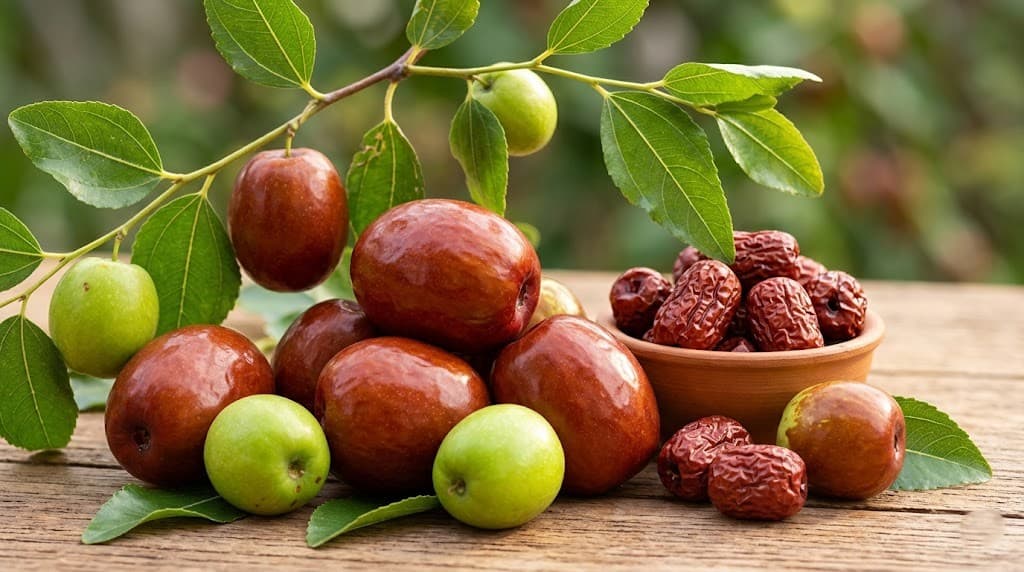
What is Jujube?
Jujube, scientifically known as Ziziphus jujuba, is defined as a fruit with high nutritional value offered by nature. Generally recognized for its small, olive-like structure, jujube is covered with a shiny brown or reddish skin. This fruit, which can be consumed fresh or dried, appeals to a wide audience with its mildly sweet and slightly tart flavor.
Jujube has held an important place in traditional medicine for thousands of years and is now preferred not only for nutrition but also for its many health benefits.
Where Does Jujube Grow? Global Cultivation
Originating from Asia, jujube has a long history especially in China. Today, it is widely cultivated in countries such as India, Pakistan, and Turkey, as well as in regions bordering the Mediterranean. Jujube trees, which prefer warm and temperate climates, are drought-resistant and generally thrive better in calcareous soils. In Turkey, jujube is naturally grown mostly in the Marmara, Aegean, and Mediterranean regions, blooming in spring and harvested in autumn.
What Are the Health Benefits of Jujube Fruit?
Jujube is recognized worldwide as a natural health supplement due to its rich vitamin and mineral content. Its vitamin C, various antioxidants, fiber, and natural sugars help support cells.
The main highlighted benefits are as follows:
Helps strengthen the immune system: Its high vitamin C content supports the body against infections.
Supports the digestive system: Its fibrous structure regulates bowel movements and facilitates daily digestion.
Provides natural energy: With its natural sugar content, it offers a quick and healthy source of energy for the body.
Protects skin health: Its antioxidant properties protect the skin against environmental damage and play a role in reducing the effects of aging.
Has a stress-relieving effect: Some studies have shown its calming effects, and it may provide relief especially during periods of intense stress and anxiety.
Dried Jujube: Concentrated Power for Health
Dried jujube is the concentrated form of the fresh fruit, containing higher levels of vitamins, minerals, and fiber. In addition to providing energy, its high fiber content positively contributes to the digestive system. Dried jujube also;
May help maintain blood sugar balance (when consumed in moderation),
Supports bone and dental health, being especially rich in calcium and phosphorus,
Helps maintain satiety for longer periods, and
Contributes to mood balance with its magnesium content.
Benefits of Jujube Molasses
Jujube molasses is a concentrated nutritional source obtained by boiling the fruit to increase its consistency. With its rich iron content, it can be supportive especially for individuals with anemia. Thanks to its concentrated structure, it provides a natural supplement during periods of energy deficiency or when high effort is required. Additionally, it offers extra benefits such as strengthening the immune system, supporting liver function, and helping regulate metabolism.
Jujube Vinegar: Natural Support and Daily Use
Jujube vinegar helps regulate the digestive system and, with its antioxidant and antibacterial components, may play a role in protecting the body against harmful microorganisms. With its support for weight control and positive effects on the skin, it also finds a place as a natural care product.
Benefits of Jujube Tea
Jujube tea is especially known for its calming and relaxing effects. Regular consumption can help cope with stress and may serve as a natural alternative for individuals suffering from insomnia. It supports digestion, alleviates stomach discomfort, and may also have a positive effect on immunity.
Is Jujube Consumption Safe During Pregnancy?
During pregnancy, jujube stands out as one of the natural sources of vitamins and minerals. Its fibrous structure supports the digestive system, can meet energy needs, and plays a role in maintaining immunity. However, since excessive consumption of any food during pregnancy is not recommended, jujube should also be consumed in appropriate amounts and under a doctor's advice.
Jujube and Sexual Health: Is It Really Beneficial?
It is thought that jujube may indirectly contribute to sexual health through its energy-boosting and general health-supporting properties. Its antioxidant content may support blood circulation and help maintain energy levels. However, since research on such effects is limited, it is recommended to make consumption decisions considering individual health status.
Benefits of Fresh Jujube
Fresh jujube is a highly valuable food in terms of water content and vitamins. It especially supports immunity with its vitamin C, hydrates the body with its water content, and may reduce daily fatigue. In its fresh form, its iron and mineral content also contributes to the healthy continuation of blood circulation. Additionally, it supports skin health and increases its radiance.
Jujube Side Effects: Points to Consider
Although jujube has many positive health effects, excessive consumption may cause stomach discomfort or allergic reactions in some individuals. Especially those sensitive to blood sugar balance and diabetic patients should consume jujube and its products carefully and in moderation. Individuals with any chronic illness or those taking regular medication should consult a doctor before adding jujube to their diet.
Frequently Asked Questions
1. How much jujube should be consumed daily?
The recommended daily amount of jujube may vary depending on personal health status and specific needs. In general, a few pieces of fresh or dried jujube can be consumed in moderation. Individuals with chronic health conditions or those taking regular medication should determine the amount in consultation with their doctors.
2. Is the use of jujube fruit safe for diabetic patients?
Since jujube contains natural sugar, it should be consumed in moderation by diabetic patients. In cases requiring blood sugar monitoring, a healthcare professional should always be consulted before use.
3. Is there any harm in eating jujube during pregnancy?
Jujube can be supportive in terms of nutrients during pregnancy. However, due to the risk of excessive consumption and possible allergic reactions, the amount should be determined under a doctor's supervision.
4. Is there a health difference between dried and fresh jujube?
Dried jujube, due to its reduced water content, contains concentrated nutrients and sugars and has a higher fiber content. However, attention should be paid to the sugar content. Both forms can be beneficial if consumed in appropriate amounts.
5. What are the side effects of jujube consumption?
Especially when consumed excessively, jujube may cause stomach discomfort, diarrhea, or allergic reactions in some individuals. If any side effects are observed, it is recommended to discontinue use and consult a doctor.
6. In which situations can jujube molasses be preferred?
Those with iron deficiency, increased energy needs, or those seeking a natural sweetener may prefer jujube molasses. However, individuals with diabetes or chronic illnesses should consult a physician.
7. How many times a day should jujube tea be consumed?
Jujube tea is generally consumed 1-2 cups per day. However, those with stomach sensitivity or other health issues should follow their doctor's advice.
8. Does jujube help with weight control?
Jujube can provide a feeling of fullness for a long time due to its fiber content. However, as it is a nutritious and energy-dense fruit, portion control should be observed.
9. Is jujube allergy common?
r?Jujube allergy is rare, but some sensitive individuals may experience symptoms such as skin rash, itching, or nausea. In such cases, consumption should be discontinued and a physician should be consulted.
10. Can children eat jujube?
Jujube is considered safe for healthy children in appropriate portions. However, as with any new food, it should be introduced cautiously in young children and infants, and allergic reactions should be monitored.
11. How does jujube support skin health?
Thanks to its antioxidants and vitamins, jujube can protect skin cells against free radicals and support the elasticity and radiance of the skin.
12. How should jujube products (molasses, vinegar, tea) be stored?
Fresh jujube should be stored in a cool and dry place, while dried jujube should be kept in airtight containers away from sunlight. Products such as molasses, vinegar, and tea should also be stored in their packaging and under the recommended conditions.
13. Which vitamins and minerals does jujube contain?
Jujube is particularly rich in vitamin C and minerals such as potassium, iron, phosphorus, and magnesium.
14. Can jujube be used as a natural energy source?
Yes, thanks to its natural sugar content and nutritious structure, jujube can contribute to meeting daily energy needs in a natural way.
References
World Health Organization (WHO). Traditional Medicine Fact Sheet.
Food and Agriculture Organization (FAO). Production Statistics of Jujube.
“The effect of Ziziphus jujuba fruits on health.” Journal of Ethnopharmacology.
United States Department of Agriculture (USDA) National Nutrient Database.
Altıok E, et al. “Nutritional and Functional Properties of Jujube.” Nutrients, 2021.