What You Need to Know About Compression Stockings: Purposes, Methods of Use, and Benefits

The Role of Compression Stockings in the Circulatory System
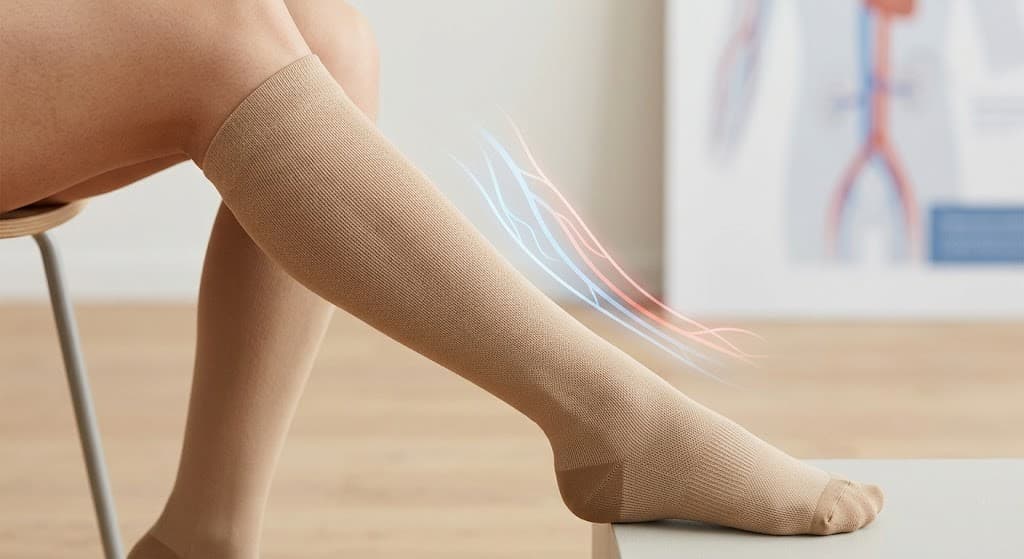
Compression stockings are medical products with a special pressure mechanism designed to support blood flow in the veins. Through the graduated pressure they apply, these products help prevent blood from pooling in the legs and contribute to maintaining vascular health. As a result, the feeling of lightness and comfort in the legs increases, and the circulatory system operates more efficiently and in a more balanced manner.
Compression stockings are offered in different models and varying degrees of pressure. This variety allows for the most appropriate choice according to individual needs and physician recommendations. They are widely used in daily life both to increase comfort and to support vascular health. However, the effectiveness of the stockings is not limited to choosing the right product; regular use and the adoption of healthy lifestyle habits are also important.
What Are Compression Stockings and For What Purposes Are They Used?
Compression stockings are an auxiliary medical support developed to prevent problems in the veins or to slow the progression of existing issues, used upon a doctor's recommendation. These stockings apply pressure that decreases from the ankle upwards. Thus, they prevent blood from accumulating in the lower parts of the legs due to gravity. As a result, blood returns to the heart more easily, and the risk of swelling and venous obstruction is reduced.
Compression stockings improve blood circulation, prevent edema and the progression of varicose veins in the legs, and may reduce potential complications. When used regularly and under medical supervision, they play an important role in maintaining vascular health, especially in individuals at risk (pregnant women, those who stand for long periods, desk workers, long-distance travelers). They may also be prescribed preventively to those with a family history of varicose veins or to individuals who have not yet experienced vascular problems.
Types of Compression Stockings and Selection Criteria
Different models of compression stockings have been developed according to varying complaints and vascular needs in different parts of the body:
Knee-High Compression Stockings: Recommended for those with intense vascular problems in the ankle and calf region. They are practical and easy to use daily.
Thigh-High Compression Stockings: Suitable for venous problems above the calf, in the thigh and hip region. They are especially preferred when vascular disease affects the upper parts of the leg.
Both models operate on the same pressure principle, but their coverage areas differ. It is essential to consult a specialist when selecting the appropriate model. Stockings that do not suit individual needs may not provide the desired effect and, in some cases, may cause discomfort or negatively affect circulation.
How Should Compression Stockings Be Worn?
Wearing compression stockings correctly increases both their effectiveness and comfort. Stockings should generally be worn in the morning before swelling begins in the legs. It is recommended to start from the heel and pull the stocking up slowly. Gloves or special donning devices can be used to prevent nails from damaging the stocking.
The stocking must fit smoothly on the leg without wrinkles. Folded or creased areas should be avoided, as they can have undesirable effects on circulation. Especially for first-time users, support from healthcare professionals may be beneficial.
The duration for which the stocking should be worn during the day varies according to individual circumstances and physician recommendations. In some cases, it may be advised to wear them all day, while in others, only during certain hours.
Benefits of Using Compression Stockings
When used regularly and consciously, compression stockings have many positive effects on leg and vascular health:
Support of Circulation: The pressure helps prevent blood from pooling in the legs, making it easier for blood to return to the heart and reducing the load on the veins.
Reduction of Swelling: They help alleviate edema or swelling, especially at the end of the day, and provide comfort during pregnancy.
Reduction of Pain and Fatigue: For those who stand for long periods or are very active, they reduce leg pain and tension, helping one feel better at the end of the day.
Improvement of Appearance: They prevent veins from becoming prominent on the skin surface and may provide psychological support for individuals concerned about aesthetics.
Prevention of New Varicose Veins: Regular use can protect the existing vascular structure and reduce the risk of new varicose veins developing in the future.
To benefit efficiently from these advantages, it is important that the choice of stocking and usage habits comply with physician recommendations.
In Which Situations Are Compression Stockings Used?
Compression stockings are recommended not only for those diagnosed with varicose veins but also for risk groups wishing to protect venous health and in certain special situations:
During pregnancy
In cases of prolonged standing or desk work
As support for recovery after venous surgery
To reduce the risk of blood clotting during long journeys (plane, bus, etc.)
In individuals whose vascular health risk increases with age
The method of application, frequency of use, and model should be determined by the physician according to personal risks and needs. Incorrect or unconscious use may lead to new problems rather than positive results.
Points to Consider When Using Compression Stockings
The following points should be observed when using compression stockings:
Leg measurements should be taken into account to select the correct size. The wrong size may cause uneven pressure distribution and discomfort.
For hygiene, stockings should be washed in lukewarm water and dried in a cool, well-ventilated place away from direct sunlight. This preserves the structure and lifespan of the stocking.
The stocking should not be folded on the leg; it should not be worn wrinkled or creased, as this may cause excessive pressure and circulatory problems.
The duration and intervals of use should always be adjusted according to physician recommendations; personal changes to these durations should be avoided.
With regular use and proper care, compression stockings help reduce the risk of vascular complications and improve quality of life.
Frequently Asked Questions
1. Does the use of compression stockings cause pain?
When used in the correct size and model, compression stockings generally do not cause pain; on the contrary, they reduce pain and fatigue in the legs. However, if inappropriate stockings are used, discomfort may occur. You should consult your doctor in case of any discomfort.
2. Can I wear the stockings while sleeping at night?
Compression stockings are generally used during the day, while standing. Since the legs rest at heart level during sleep, they are mostly not needed; however, in some special cases, they may be used at night upon a doctor's recommendation.
3. Who are compression stockings not suitable for?
Compression stockings may not be recommended for individuals with certain serious arterial diseases, advanced peripheral vascular disease, or skin infections. Always consult your doctor to determine in which situations they can be used safely.
4. I have difficulty putting on the stocking by myself, what should I do?
Using donning devices or special medical gloves can make it easier to put on the stocking. For first-time users, getting support from healthcare professionals can be beneficial.
5. Is it necessary to use compression stockings during long journeys?
When immobile for long periods, the risk of blood pooling in the legs and clot formation increases, so the use of compression stockings is recommended. This practice can be especially beneficial for risk groups.
6. Is the use of compression stockings safe during pregnancy?
Yes, due to increased hormones and the load on the veins during pregnancy, compression stockings are frequently recommended
However, an appropriate model should definitely be selected according to your doctor's recommendation.7. How often and for how long should I wear compression stockings?
The frequency and duration of use should be determined by your doctor according to your personal condition. Do not change the duration on your own.
8. Do compression stockings completely prevent the formation of varicose veins?
Compression stockings reduce the risk and help protect the existing vascular structure. However, they do not provide complete protection on their own; healthy lifestyle habits and regular medical check-ups are also necessary.
9. How should the pressure level of the stocking be selected?
The pressure level (in mmHg) is determined according to the severity of the disease and individual needs. You should definitely consult your physician for the appropriate pressure level.
10. Is it sufficient to wash the stocking by hand?
Compression stockings should be gently hand-washed in lukewarm water and should not be exposed directly to a heat source. Following the cleaning instructions extends the product's lifespan.
11. What should be considered when choosing between different models?
The application area, the severity of your complaints, and your lifestyle are influential in deciding on the model. For a comprehensive selection, you should definitely seek support from a specialist.
References
World Health Organization (WHO) – "Peripheral Venous Disorders: Guidelines and Recommendations"
American College of Phlebology – "Compression Therapy Best Practices"
Society for Vascular Surgery, "Varicose Veins and Treatment Options"
Mayo Clinic – "Varicose veins: Diagnosis and management"
American Venous Forum, "Compression Therapy Guidelines"