What You Need to Know About Blood Cancer (Leukemia)

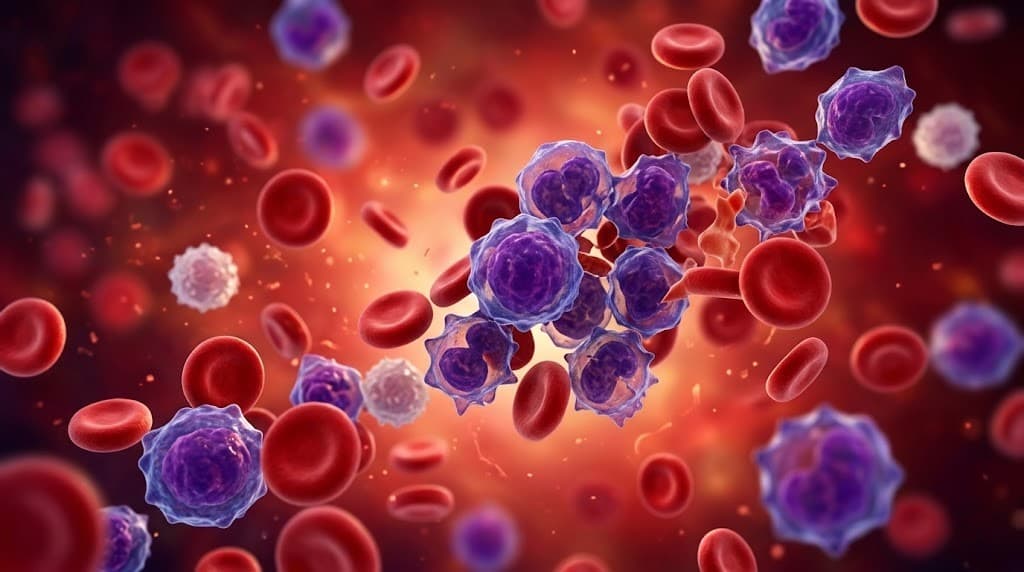
What is Leukemia?
Leukemia is a type of cancer that arises from the abnormal and uncontrolled proliferation of blood cells in the bone marrow. It can be observed in all age groups but is more frequently seen especially in children and adults over the age of 50. In cases where an early diagnosis is made, the success rate of treatment increases significantly. Therefore, timely recognition of leukemia symptoms and prompt initiation of treatment are of vital importance.
Leukemia develops as a result of the rapid and uncontrolled proliferation of stem cells in the bone marrow before they complete their normal development. This condition initially affects the bone marrow tissue and may spread throughout the body over time. The bone marrow produces red blood cells (erythrocytes), white blood cells (leukocytes), and platelets (thrombocytes). Especially white blood cells play a key role in defending the body against infections and cells with a tendency to become cancerous.
White cells can be produced not only in the bone marrow but also in various organs such as lymph nodes, spleen, and thymus. If left untreated, leukemia can progress severely. Leukemias based on the excessive proliferation of mature leukocytes usually progress slowly, whereas cases with an excess of immature leukocytes may present with serious symptoms rapidly, within a few weeks or months.
What Are the Types of Leukemia?
Leukemias are generally divided into two main groups according to their progression rate: acute (rapidly progressing) and chronic (slowly progressing). While acute leukemias are characterized by rapid cell proliferation and sudden symptoms, chronic forms may progress insidiously and slowly over years.
Both main groups are further subdivided based on the type of abnormally proliferating white blood cell:
Those developing from myeloid cells are called “myeloid leukemia”,
Those originating from lymphocytes are called “lymphoblastic (or lymphocytic) leukemia”.
There are also less common subtypes of leukemia (for example: juvenile myelomonocytic leukemia, hairy cell leukemia).
The four most common basic subtypes of leukemia are as follows:
1. Acute Lymphoblastic Leukemia (ALL)
This is the most common type of leukemia seen in children, but it can also be observed in adults. In patients, immature white cells of lymphocyte origin proliferate uncontrollably. Survival rates for ALL in adults and children vary depending on factors such as age, general health, and response to treatment.
2. Acute Myeloid Leukemia (AML)
It arises from the abnormal proliferation of myeloid series cells before they mature. It is frequently seen among young adults and the elderly. The success of AML treatment has been increasing with developing medical approaches.
3. Chronic Lymphocytic Leukemia (CLL)
It is mostly diagnosed at an advanced age, often over 60 years old. In this form, mature but dysfunctional lymphocytes accumulate in the body, disrupting the healthy functioning of the bone marrow and other tissues.
4. Chronic Myeloid Leukemia (CML)
CML, which is more commonly seen between the ages of 25-60, is characterized by the abnormal proliferation of myeloid cells. New molecularly targeted drugs that increase the response to treatment have improved survival rates.
What Are the Symptoms of Leukemia?
The symptoms of leukemia may resemble those of other bone marrow diseases and generally include the following:
Fatigue, pallor, easy tiredness, shortness of breath (due to anemia)
Frequent infections (due to weakened immune system)
Unexpected bleeding from the nose, gums, or under the skin, bruising, and small rashes (petechiae)
Loss of appetite, weight loss, night sweats
Prolonged high-fever infections
Bone and joint pain
Enlargement of lymph nodes in areas such as the neck, armpit, or groin
Swellings on the skin or abdomen
Leukemia in Children: Signs and Symptoms
Leukemia, which constitutes a significant portion of cancers seen in children, is especially more common in children aged 2-10 years. In infants, the protective substances from the mother's milk decrease over the first months, and the immune system continues its own development. During this process, certain viral infections, genetic predisposition, and vitamin D deficiency may increase the risk of developing leukemia.
Common symptoms observed in children:
Marked pallor of the skin
Weight loss, reluctance to eat
Prolonged or recurrent febrile illnesses
Bruising and swellings on the body
Abdominal enlargement and fullness
Bone or joint pain
As the disease progresses, additional symptoms such as headache, nausea, and seizures may develop due to the spread of cancer cells to the central nervous system or other organs.
What Are the Risk Factors for Leukemia?
Leukemia ranks significantly among cancers worldwide and is seen somewhat more frequently in men than in women. The risk factors for different leukemia subtypes vary:
Acute Lymphoblastic Leukemia (ALL)
Although all causes are not fully known, exposure to high radiation, certain chemicals (for example: benzene), previous chemotherapy, some viral infections (HTLV-1, Epstein–Barr virus), and certain genetic diseases (Down syndrome, Fanconi anemia) may increase the risk of ALL.
Acute Myeloid Leukemia (AML)
Genetic mutations, increased risk with age, smoking, certain blood diseases or a history of chemotherapy, and Down syndrome are known risk factors for AML.
Chronic Lymphocytic Leukemia (CLL)
The cause of CLL is not fully explained. However, advanced age, male gender, exposure to certain chemicals, and a family history of CLL increase the risk.
Chronic Myeloid Leukemia (CML)
CML is generally associated with an acquired (not inherited) genetic change during life. A genetic change called the “Philadelphia chromosome” is detected in the vast majority of CML cases, and this change leads to uncontrolled growth of cells in the bone marrow.
How Is Leukemia Diagnosed?
The aim in the diagnosis of leukemia is to accurately determine the presence, subtype, and extent of the disease. The main steps in the diagnostic process are as follows:
Detailed history and physical examination: Pallor indicating anemia, enlargement of lymph nodes or organs, and skin changes are evaluated.
Blood tests: Complete blood count, biochemistry, liver function, and coagulation tests are performed.
Peripheral blood smear: Used to examine the presence of abnormal cells in the blood.
Bone marrow biopsy/aspiration: For definitive diagnosis, especially in acute cases, a sample taken from the bone marrow is evaluated under a microscope.
Genetic and molecular tests: Especially in CML, the Philadelphia chromosome and BCR-ABL gene change are investigated.
Bone marrow biopsy is usually performed from the hip bone and evaluated in specialized laboratories.

What Is Offered in Leukemia Treatment?
The treatment plan must be created by a team specialized in hematology and oncology, taking into account the type of leukemia and the general health status of the patient. The main methods currently used in the treatment of leukemia are as follows:
Chemotherapy
The aim is to eliminate abnormal cells with various chemotherapy drugs. Which drugs are used and how they are administered are determined according to the type of leukemia and the specific condition of the patient.
Radiotherapy
The aim is to destroy leukemia cells using high-energy beams. Radiotherapy is generally used in selected cases and sometimes as preparation for stem cell transplantation.
Biological and Molecular-Based Therapies
New generation drugs (immunotherapy, biological agents, molec
Targeted therapies) play an important role in some types of leukemia. For example, tyrosine kinase inhibitors developed for CML have revolutionized the treatment of this disease and have a lower side effect profile compared to chemotherapy.Stem Cell (Bone Marrow) Transplantation
This procedure, in which the bone marrow is completely eliminated and replaced with healthy stem cells, is among the most effective treatment options and is applied in suitable patients. Certain side effects may occur during and after the procedure. In particular, problems related to the immune system (e.g., GVHD), organ damage, and risk of infection should be considered. Therefore, the transplant procedure should be performed in experienced centers.
Supportive Treatments
To reduce the risk of anemia, infection, and bleeding due to chemotherapy and other treatments, blood transfusions, infection-preventive medications, antibiotics if necessary, and other supportive therapies are required.
Thanks to modern treatment approaches, survival rates in leukemia patients have increased significantly in recent years. For example, while the 5-year survival rate was around 30 percent in the 1970s, current data indicate that with appropriate treatment and early diagnosis, this rate has risen above 60 percent.
Remember; noticing symptoms and applying to a healthcare institution without delay for early diagnosis and effective treatment provides a significant advantage in terms of quality of life and disease progression.
Frequently Asked Questions
1. Is leukemia contagious?
No, leukemia is not a contagious disease. It develops due to genetic changes, environmental and individual risk factors, and is not transmitted from person to person.
2. What exactly causes leukemia?
The exact cause of leukemia is often unknown. However, genetic factors, certain chemicals, environmental factors such as radiation, and some viruses may increase the risk.
3. Can leukemia be treated?
Many types of leukemia, especially with early diagnosis and appropriate treatment, can be controlled or completely eliminated. The chance of treatment varies depending on the patient's age, general condition, and the type of leukemia.
4. How long do people with leukemia live?
Survival time in leukemia is closely related to the type of disease, time of diagnosis, response to treatment, and individual health characteristics. Today, long-term survival is possible with successful treatments.
5. Why is leukemia more common in children?
Certain genetic and immune-related characteristics in children, when combined with environmental factors, may predispose to leukemia. However, a definite cause cannot be identified in most children.
6. Is bone marrow transplantation suitable for everyone?
No, bone marrow transplantation is not recommended for every patient. Suitability is evaluated by physicians based on the patient's age, general health status, disease subtype, and other medical factors.
7. Which other diseases can leukemia symptoms be confused with?
Leukemia can be confused with symptoms of some infections, types of anemia, and other blood diseases. Differential diagnosis is made with complete blood tests and advanced examinations.
8. Is it possible to take preventive measures against leukemia?
Although it cannot be completely prevented, avoiding smoking and harmful chemicals, adopting healthy lifestyle habits, and having regular health check-ups help in early detection of the disease.
9. Are leukemia patients more susceptible to infections?
Yes, the bone marrow and immune system are affected. Therefore, paying attention to hygiene, avoiding crowded and infected environments, and taking protective measures if necessary are important.
10. Does hair loss occur in leukemia?
Some drugs used during treatment (especially chemotherapy) can cause hair loss. This effect is usually temporary and hair can regrow after treatment.
11. Is leukemia hereditary?
Hereditary transmission is not present in most cases of leukemia. However, some genetic syndromes may increase the risk of developing leukemia.
12. What should be considered during leukemia treatment?
It is important to protect against infections, closely follow medical advice, not to neglect regular check-ups, and to inform the healthcare team about side effects.
References
World Health Organization (WHO): Leukemia
US Centers for Disease Control and Prevention (CDC): Leukemia Patient Facts
American Cancer Society: Leukemia Overview
European Hematology Association: Leukemia Guidelines
Cancer Research UK: Leukemia Types and Treatments