Nutrients Supporting Blood Production and Healthy Nutrition Tips

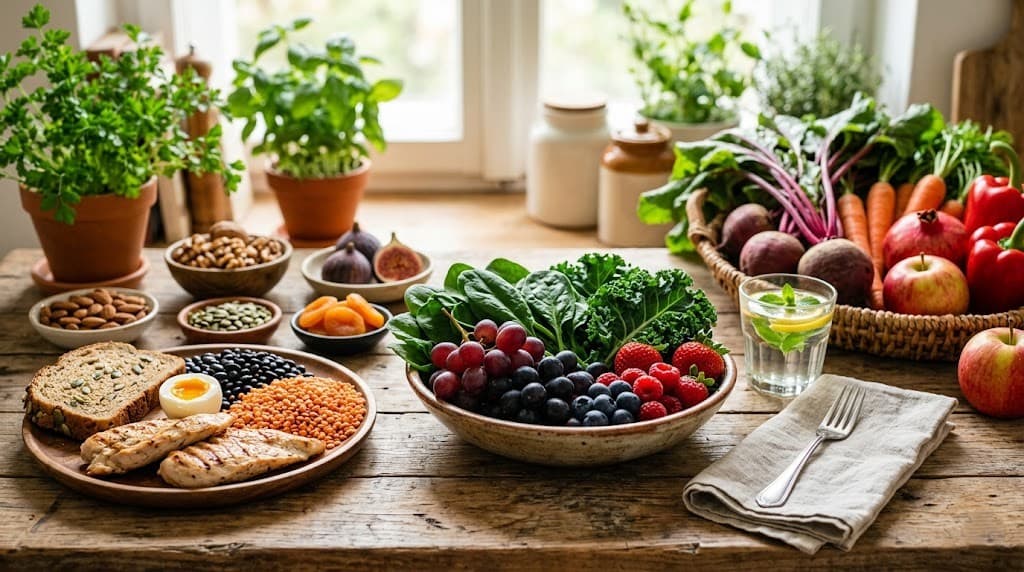
Maintaining the body's healthy oxygen-carrying capacity is of great importance for sustaining overall health and quality of life. Proper nutrition habits play a decisive role in the regular and sufficient production of blood cells. Regular consumption of foods rich in certain vitamins and minerals contributes to blood formation and helps prevent many blood diseases, especially iron deficiency anemia.
What Are the Basic Nutrients That Support Blood Formation?
The healthy production and functioning of blood cells require various vitamins, minerals, and proteins. Among these, iron, vitamin B12, folic acid, vitamin C, copper, and proteins are particularly important. Adequate and balanced intake of these nutrients stimulates the production of red blood cells in the bone marrow and reduces the risk of anemia.
The main food groups that strengthen blood formation include:
Sources of Iron:
Iron is a fundamental mineral found in the structure of hemoglobin and is responsible for oxygen transport in the body. Red meat, especially beef and lamb, contains "heme" iron, which is easily absorbed by the body. Organ meats such as liver are also rich in iron. Plant-based sources include spinach, chard, lentils, chickpeas, and iron-fortified cereals. Shellfish, sunflower seeds, and cashew nuts are also important alternatives in terms of iron.
Vitamin B12:
Vitamin B12, which is abundant in animal products (such as red meat, fish, eggs, and dairy products), is necessary for the maturation and health of red blood cells.
Folic Acid (Vitamin B9):
Folic acid, which plays a key role in DNA synthesis and cell division, is especially abundant in dark green leafy vegetables, legumes, and citrus fruits. The requirement increases during pregnancy.
Vitamin C:
It helps the body absorb iron more efficiently and has antioxidant properties. Fruits and vegetables rich in vitamin C include strawberries, kiwi, peppers, broccoli, and citrus fruits.
Copper:
Regulates iron metabolism. Nuts, legumes, seeds, and shellfish are foods rich in copper.
Adequate Protein:
Protein, which is part of all cells in the body, is also necessary for the production of hemoglobin and other blood components. Fish, eggs, dairy products, and legumes are good sources of protein.
Balanced intake of these nutrients supports the continuity of blood formation and the maintenance of healthy blood values.
What Are the Most Effective Blood-Building Foods?
Foods rich in iron are the group that especially supports blood formation. Red meat and organ meats (such as liver) directly contribute to the production of blood cells thanks to their heme iron content. The absorption of iron from plant sources is generally lower than from animal sources. Therefore, it is beneficial to pay attention to consuming them together with foods containing vitamin C to increase iron absorption.
Spinach, kale, collard greens, and other dark green leafy vegetables; legumes such as lentils, chickpeas, beans, and iron-fortified cereals are also important sources of iron. Shellfish and some nuts (such as cashew, sunflower seeds) help meet iron needs.
It should be remembered that individuals' nutritional needs and the body's capacity to utilize these vitamins and minerals may vary. Therefore, personal health status should be considered, and especially in special situations, assistance from a nutritionist or your physician should be sought.
Foods Supporting Blood Formation in Infants
During the first years of rapid growth in infants, adequate intake of various vitamins and minerals, especially iron, is of great importance for healthy development. Since iron directly affects both mental and physical development in infants, its deficiency may lead to growth retardation and impairments in cognitive functions.
The main sources of iron for infants are:
Exclusively breast milk for the first 6 months if possible; iron-fortified formula may be an alternative.
With the introduction of complementary foods, it is recommended to add animal products such as red meat, chicken, fish, and solid foods such as lentils, chickpeas, and iron-containing cereals to the diet.
Since each infant's rate of development and nutritional needs may differ, a pediatrician or dietitian should definitely be consulted when creating a nutrition plan.
Foods Supporting Blood Formation During Pregnancy
During pregnancy, the need for iron and folic acid is higher than normal due to increased blood volume and the development of the baby. If sufficient iron is not taken, the risk of developing anemia increases, which can negatively affect the health of both mother and baby.
The main blood-building foods recommended for pregnant women:
Animal foods rich in iron such as red meat, chicken, and fish
Dried fruits (such as apricots, grapes), dark green leafy vegetables, and whole grains
Citrus fruits (such as oranges, lemons) and other fruits and vegetables containing vitamin C
Folic acid supplementation is especially important before pregnancy and during the first trimester to support the development of the baby's brain and nervous system.
Since each individual's needs are different, a nutrition program during pregnancy should definitely be prepared under the guidance of a healthcare professional.
Foods Supporting Blood Formation Without Disrupting Weight Control
For some individuals, avoiding weight gain may be important. In this case, a diet that is both appropriate in terms of calories and provides the necessary nutrients for blood formation should be planned.
Recommended foods:
Lean meats, chicken, or fish
Dark green leafy vegetables, fresh fruits and vegetables
Legumes and whole grains
Foods containing omega-3 fatty acids such as walnuts and flaxseed (in moderate portions)
Balanced portions, diversification of foods, and adequate fluid intake help maintain ideal body weight and support blood health.
Food choices may vary according to the individual's health status and lifestyle. Therefore, regular doctor check-ups and, if necessary, consultation with a dietitian are recommended.
Frequently Asked Questions
1. What are the main foods that increase blood formation?
Red meat, dark green leafy vegetables, legumes, seafood, and whole grains, which are rich in minerals and vitamins such as iron, vitamin B12, folic acid, vitamin C, and copper, are in this group.
2. Which foods are most effective against anemia?
Red meat, liver, lentils, spinach, and fresh vegetables and fruits containing vitamin C stand out. However, since the causes of anemia may differ, a definite diagnosis and treatment require consulting a doctor.
3. Which foods are suitable for blood formation in infants?
Breast milk is preferred for the first six months. When introducing complementary foods, iron-containing meats, chicken, fish, and legumes; in cases where iron supplementation is needed, a doctor's recommendation should be sought.
4. Why are blood-building foods important during pregnancy?
Foods rich in iron and folic acid are necessary to meet the increased blood needs during pregnancy and to support fetal development. In addition, vitamin C increases absorption.
5. Do blood-building foods cause weight gain?
With proper portioning and food variety, blood-building foods can be added to the diet without weight gain. Excessive consumption of high-calorie foods should be avoided.
6. If you are vegetarian or vegan, which plant-based foods support blood formation?
Spinach, chard, lentils, dried beans, chickpeas, and iron-fortified cereals are recommended. If taken together with vitamin C, iron absorption increases.
7. How long does it take for blood-building foods to take effect?
The effect of foods varies depending on the individual situation and the level of deficiency.
In cases of severe anemia, significant improvements may be observed weeks after starting treatment.8. What else should be considered besides blood-forming foods?
Adequate water intake, regular sleep, physical activity, and a balanced diet are also beneficial for blood health.
9. Which foods should or should not be consumed with iron supplements?
Vitamin C increases iron absorption. Dairy products and caffeinated beverages are not recommended with iron supplements as they may reduce iron absorption.
10. In which situations is supplementation necessary in addition to diet?
In special cases such as iron deficiency anemia, pregnancy, or chronic diseases, additional supplementation may be required upon a doctor's recommendation.
11. How should a blood-forming diet plan be prepared?
A diet should be prepared under the guidance of a nutritionist or doctor, according to individual health status, age, gender, and special needs.
12. How can I present blood-forming foods to children?
It is easier to serve them with recipes that children will enjoy (such as soup, meatballs, puree) or with different vegetable-fruit combinations.
References
World Health Organization (WHO) – Nutrition: Iron deficiency anaemia
U.S. Centers for Disease Control and Prevention (CDC) – Iron and Iron Deficiency
Academy of Nutrition and Dietetics – Anemia and Nutrition
European Society for Clinical Nutrition and Metabolism (ESPEN) Guidelines
Reputable medical journals: The Lancet, New England Journal of Medicine (NEJM)