Coping with High Cholesterol: What You Need to Know for a Healthy Life

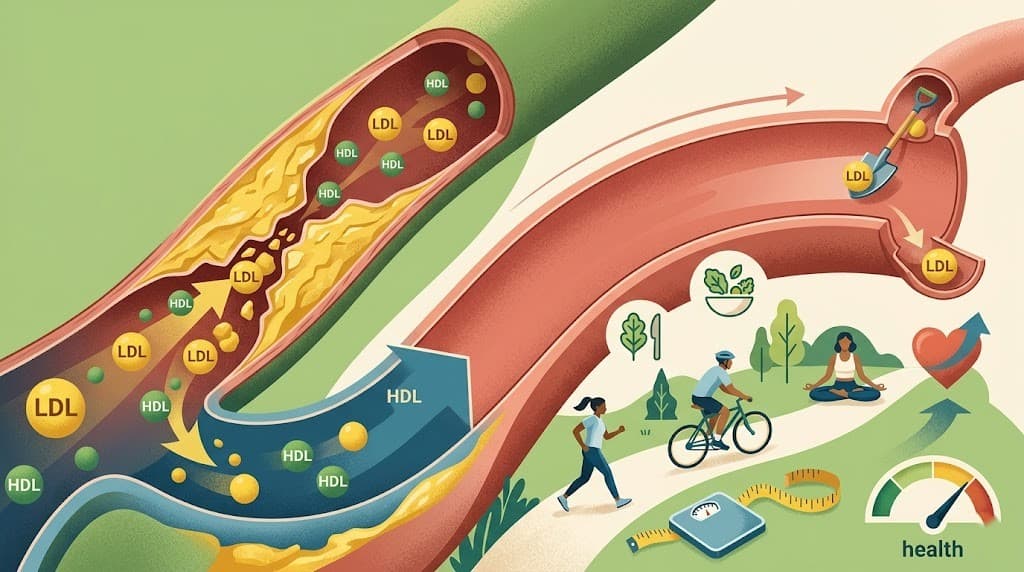
High cholesterol is one of the most common health problems of modern life and affects millions of people worldwide. Having a high blood cholesterol level can pave the way for many serious health problems, especially heart and vascular diseases. Therefore, taking steps based on scientific information regarding cholesterol management is one of the fundamental ways to protect your health.
What Is High Cholesterol and Why Is It Important?
Cholesterol is a natural type of fat that plays a role in the structure of the body's cells and in hormone production. The body both produces cholesterol itself and obtains it from animal-based foods. Excess accumulation of cholesterol in the bloodstream can negatively affect vascular health, increasing the risk of heart attack and stroke.
Cholesterol levels are generally evaluated in three main groups:
LDL (low-density lipoprotein): Known as "bad cholesterol," it can lead to vascular blockage.
HDL (high-density lipoprotein): Referred to as "good cholesterol," it removes excess cholesterol from the vessels.
Total cholesterol: The sum of all forms of cholesterol in the blood.
For adults, cholesterol values are clinically classified as follows:
Total cholesterol:
Below 200 mg/dL: Normal
200–239 mg/dL: Borderline high
240 mg/dL and above: High
LDL cholesterol:
Below 100 mg/dL: Ideal
100–129 mg/dL: Near ideal
130–159 mg/dL: Borderline high
160–189 mg/dL: High
190 mg/dL and above: Very high
A simple blood test is sufficient to learn your cholesterol level. If your results are above these values, taking appropriate precautions and seeking expert support is important for your long-term health.
How Are Cholesterol Levels Reduced?
Measures to cope with high cholesterol are planned individually. Factors such as age, accompanying diseases, and the degree of cholesterol elevation determine the treatment approach. However, healthy nutrition and lifestyle changes are generally the first step.
Changes to Be Made in the Diet
One of the most effective steps in lowering blood cholesterol is to reorganize your eating habits. In this context, the following recommendations are prominent:
Reducing total fat and especially saturated fat intake,
Limiting red meat consumption,
Adopting a diet rich in fiber and plant-based foods,
Including cholesterol-balancing foods in meals.
In some cases, especially if cholesterol levels are very high or if there are additional risk factors, your doctor may find medication appropriate. Cholesterol-lowering medications should be used regularly as recommended by your physician.
Which Foods Help Lower Cholesterol?
Regular consumption of certain foods can help balance blood cholesterol. Here are the main types of foods that can support this process:
Fatty Fish: Fish such as salmon, mackerel, sardines, and trout support the reduction of LDL cholesterol levels thanks to their omega-3 fatty acids. Consuming fatty fish at least twice a week is considered beneficial.
Low-Fat Dairy Products: Fermented products such as yogurt, cheese, kefir, and ayran can reduce cholesterol absorption and help maintain ideal levels. It is recommended to choose low-fat products.
Oats: Oats, which are rich in soluble fiber, can have positive effects when consumed regularly as they reduce cholesterol absorption in the intestine.
Whole Grains: Whole wheat, rye, and barley are high in fiber because they are unrefined. Fibrous foods help lower LDL cholesterol.
Nuts: Nuts such as hazelnuts, walnuts, and almonds contain both healthy fats and fiber. However, since they are high in calories, portion control is important.
Legumes: Legumes such as beans, chickpeas, lentils, and kidney beans are protein sources that do not contain animal products and are high in soluble fiber. It is recommended to consume them several times a week.
Fresh Fruits and Vegetables: Fresh fruits and vegetables contain dietary fiber and substances such as pectin that play a role in balancing cholesterol. Especially apples, pears, strawberries, grapes, and citrus fruits are rich in pectin.
Certain Medicinal Herbs and Spices: Including herbs and spices such as fenugreek, artichoke leaf, yarrow, basil, rosemary, ginger, and turmeric in your diet can also be supportive. However, these alone do not replace medical treatment.
Foods to Avoid
In the fight against high cholesterol, some foods should be reduced as much as possible or eliminated entirely. Particular attention should be paid to the following foods:
Products containing saturated fat such as clotted cream, cream, butter, and margarine,
Full-fat milk and dairy products,
Consuming red meat more than twice a week,
Fried foods, fast food products, offal, delicatessen products (such as sucuk, sausage, salami),
Pastries, refined sugar, and sweets.
Reviewing your eating habits allows you to keep your blood cholesterol under control more easily.
Other Lifestyle Changes That Should Be Made
The fight against high cholesterol is not limited to nutrition; you may need to change some habits in your daily life.
Quitting Smoking and Alcohol: Both smoking and excessive alcohol consumption negatively affect blood vessels and can worsen cholesterol levels. It is important to avoid these habits for a healthy life.
Regular Exercise: Engaging in activities such as brisk walking, running, swimming, or cycling at least 2–3 times a week helps increase HDL (good cholesterol) levels.
Ideal Weight: Excess weight increases the risk of many chronic diseases as well as cholesterol. Keeping your body weight within a healthy range is important for your cardiovascular health.
When all these lifestyle changes are combined with regular health check-ups and expert support, you can balance your cholesterol and reduce your risk of developing cardiovascular diseases.
Frequently Asked Questions
1. Why does cholesterol increase?
High cholesterol usually develops due to poor nutrition, genetic factors, inactivity, obesity, and some health problems (e.g., diabetes, thyroid diseases).
2. Can high cholesterol be recognized by symptoms?
High cholesterol generally does not cause any symptoms. It is usually only noticed during blood tests.
3. What should I do first to lower my cholesterol?
As a first step, you can review your eating habits and follow a diet that is high in fiber, low in fat, and plant-based, and start regular physical activity. It is important to be under expert supervision.
4. Do I have to use medication in the treatment of high cholesterol?
In cases of mild and moderate high cholesterol, control can usually be achieved with lifestyle changes. However, in some cases, especially if the risk of cardiovascular disease is high, the doctor may recommend medication.
5. Are herbal cholesterol-lowering products safe?
Herbal supplements may be beneficial for some people, but they do not replace medical treatment and should not be used without consulting your doctor.
6. Should I have my cholesterol checked regularly?
Yes, especially if you have risk factors or if high cholesterol has been previously detected, it is recommended to have cholesterol tests at the frequency suggested by your doctor.
7. Are people of all ages at risk of high cholesterol
Does it carry a risk?High cholesterol can be seen at any age. Although the risk may increase with age, genetic factors can also play a role in young people.
8. Should healthy individuals also pay attention to their cholesterol?
Yes, it is beneficial for healthy individuals to adopt a lifestyle that keeps cholesterol levels balanced in order to prevent potential risks in the future.
9. What kind of diet should be followed for high cholesterol?
The diet should be low in fat and high in fiber, include plenty of vegetables, fruits, and whole grains, and limit saturated fat and refined sugar.
10. Can high cholesterol also be seen in children?
Yes, high cholesterol can be detected in children due to genetic predisposition or causes such as obesity. In this case, it is necessary to consult a pediatric health specialist.
11. How long does it take for cholesterol to decrease?
After starting lifestyle and dietary changes, positive changes in blood cholesterol are usually seen within a few weeks, but it may take several months to see the full effect.
12. After normalizing my cholesterol level, can it rise again?
If old lifestyle and dietary habits are resumed, cholesterol levels may rise again. Regular monitoring and maintaining healthy habits are recommended.
References
World Health Organization (WHO): Cardiovascular diseases (CVDs). https://www.who.int/news-room/fact-sheets/detail/cardiovascular-diseases-(cvds)
American Heart Association (AHA): Cholesterol. https://www.heart.org/en/health-topics/cholesterol
Centers for Disease Control and Prevention (CDC): LDL and HDL Cholesterol. https://www.cdc.gov/cholesterol/index.htm
European Society of Cardiology (ESC): 2019 ESC/EAS Guidelines for the management of dyslipidaemias.