Hemoptysis: Symptoms, Possible Causes, and Approaches

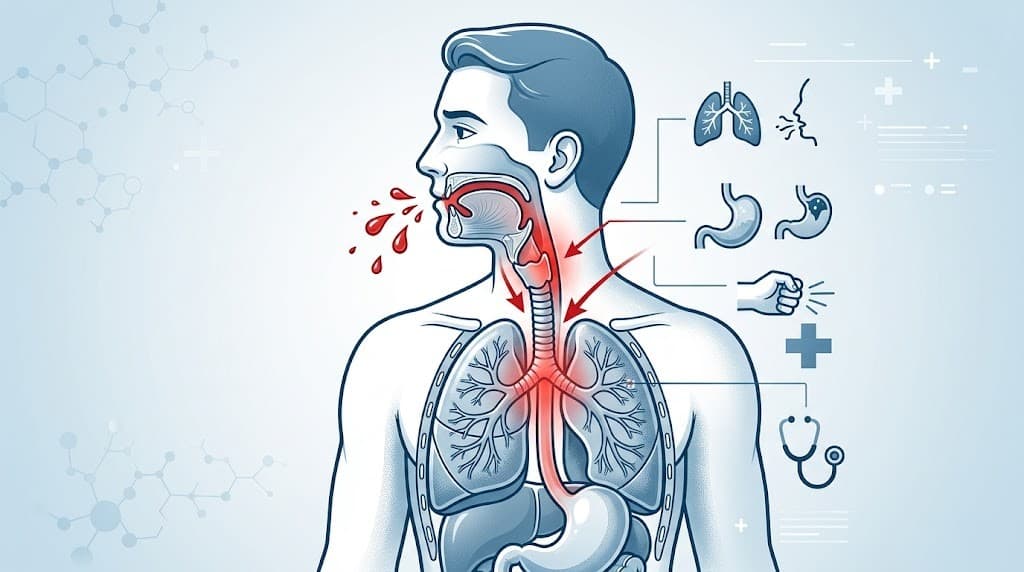
Coughing up blood is a condition that can cause anxiety in individuals and may be a sign of various health conditions. In some cases, it arises due to simple causes, while in others, it may be the first sign of more serious diseases. Therefore, it is important to have accurate information and take appropriate steps when experiencing blood from the mouth.
What Is Coughing Up Blood?
Coughing up blood can occur as a result of damage to the tissues inside the mouth or to deeper respiratory and digestive tracts. The color, amount, and consistency of the blood provide important clues about its source:
Bleeding originating from the respiratory tract and accompanied by coughing is medically called hemoptysis. This blood is usually bright red and frothy.
Bleeding from the digestive system is known as hematemesis and is generally dark in color, sometimes containing food particles.
Paying attention to this distinction plays a critical role in identifying the source of the bleeding.
Common Causes of Coughing Up Blood
Coughing up blood may be due to many different causes. Some of these are simple, while others are associated with serious health problems:
Oral, Throat, and Chest Trauma
Blows or trauma to the mouth, throat, or chest area can damage the vessels and tissues in the region, leading to bleeding. Biting on a hard object, contact sports, accidents, or falls are among such traumas. Additionally, dental and gum diseases, vigorous brushing, dental treatments, or oral injuries can also cause similar bleeding. Severe blows to the lungs can cause contusion (bruising) in the lung tissue, resulting in blood in the sputum.
Infections
Viral, bacterial, or fungal infections can damage the respiratory tract and cause blood to come from the mouth. Common infections include:
Bronchiectasis: Chronic infection and inflammation of the bronchi lead to thickening of the walls and accumulation of mucus. Blood may frequently appear in the mucus with coughing.
Bronchitis: Thin streaks of blood may be seen in the sputum during acute or chronic bronchitis.
Pneumonia: In lung infections, blood in the sputum may be mixed with yellow or green tissue. Fever, chills, shortness of breath, and chest pain are other common symptoms.
Tonsillitis: Infection of the tonsils very rarely causes bleeding. Especially after tonsil surgery, a small amount of blood may be considered normal.
Tuberculosis: In advanced stages of this infection, which affects the lungs and causes a severe, persistent cough, blood may come from the mouth.
Prolonged or Severe Cough
A cough lasting longer than 8 weeks is medically called chronic cough. Intense coughing can damage the small blood vessels in the respiratory tract and cause blood to come from the mouth. Chronic cough may be due to underlying diseases such as asthma, postnasal drip, or gastroesophageal reflux.
Anticoagulant Medications
Blood-thinning (anticoagulant) medications are used to reduce the risk of cardiovascular diseases or stroke. These drugs can increase the risk of bleeding in various parts of the body and may cause blood to come from the mouth. If any sign of bleeding occurs while using such medications, a doctor should be consulted.
Other Medical Conditions
Certain systemic diseases and chronic conditions can cause blood to come from the mouth:
Chronic Obstructive Pulmonary Disease (COPD): Inflammation in the lungs, chronic cough, and heavy sputum can occasionally lead to bleeding.
Cystic Fibrosis: Cystic fibrosis, a genetic disease, especially causes damage and frequent infections in the respiratory tract. Blood may be seen in the sputum during this process.
Granulomatosis with Polyangiitis (Wegener's Granulomatosis): This rare disease can cause inflammation of the blood vessels in the respiratory tract and bloody sputum with coughing.
Lung Cancer: In malignant tumors of the lung tissue, wheezing cough, shortness of breath, and blood mixed with sputum may be among the significant symptoms.
Mitral Valve Stenosis: Narrowing of the mitral valve in the heart can increase blood accumulation in the lungs and may result in blood with coughing.
Pulmonary Edema: Fluid accumulation in the lungs can cause pressure in the respiratory tract and, depending on its cardiac origin, may lead to bloody, frothy sputum.
Pulmonary Embolism: Sudden blockage in the lung vessels (mostly due to a blood clot) can present with shortness of breath, chest pain, and blood coming from the mouth.
What Should Be Done in Case of Coughing Up Blood?
If the amount and frequency of blood coming from the mouth occur for an unknown reason, especially if it has been ongoing for a long time, is accompanied by coughing, or is associated with other systemic symptoms, it is necessary to consult a healthcare facility without delay. Your doctor will determine the source of the bleeding through physical examination and necessary tests and will create an appropriate treatment plan.
Especially if there are findings such as blood clotting disorders in the history, significant trauma, persistent recurrent bleeding, difficulty breathing, or severe fatigue, rapid medical evaluation is recommended.
Since there can be many different causes of blood coming from the mouth, do not attempt home treatment or delay without a definitive diagnosis. Medical consultation and follow-up are often vital for such symptoms.
Frequently Asked Questions
1. What can coughing up blood indicate?
Coughing up blood can develop due to a wide variety of causes, from gum diseases to trauma, infections to serious lung diseases. Although short-term and small amounts of bleeding usually result from less significant causes, in cases of recurrent and excessive bleeding, medical evaluation is essential.
2. Is coughing up blood with sputum dangerous?
If the amount of blood coming with cough is excessive or if this condition has been ongoing for a long time, it may be a sign of a serious lung-related disease. Especially if there are blood streaks in the sputum, persistent cough, fever, or shortness of breath, a doctor should be consulted.
3. What diseases can blood in the sputum indicate?
Seeing blood in the sputum may be a sign of various conditions such as infections (bronchitis, pneumonia, tuberculosis), chronic lung diseases, or lung cancer. Specialist evaluation is required to determine the cause.
4. What are the most common causes of coughing up blood?
The most common causes include dental and gum problems, respiratory tract infections, chronic cough, and trauma. However, some serious diseases may also be among the causes.
5. What should be done if blood comes from the mouth?
If the amount of blood coming from the mouth is small and occurs only once, paying attention to oral hygiene and avoiding hard objects may be sufficient. However, if the bleeding is recurrent, excessive, or if there is a deterioration in your general health, a doctor should be consulted without delay.
6. Can coughing up blood occur in children?
Although it is more commonly seen in children due to dental or oral trauma, infections and some rare diseases may also be causes. In cases of bleeding seen in children, it is important to consult a pediatrician.
7. In which situations should one go to the emergency room?
If there is sudden, persistent, or high-volume bleeding, shortness of breath, chest pain, or severe fatigue, immediate emergency medical support should be sought.
8. Can the source be understood by looking at the color of the blood coming from the mouth?
The consistency and color of the blood can provide clues about its source. Bright red and frothy blood usually originates from the respiratory tract; dark, clotted blood containing food residue may originate from the digestive system.
9. Sı
Does frequent tooth brushing cause bleeding from the mouth?Brushing teeth too hard or improperly can cause gum bleeding. Brushing in accordance with dentist recommendations and regular check-ups are beneficial for maintaining gum health.
10. Are all cases of bleeding from the mouth serious?
Not every instance of bleeding from the mouth has to be serious, but it is essential to have a healthcare professional evaluate the underlying condition to determine its severity.
11. Is it possible to prevent bleeding from the mouth?
Regular oral and dental hygiene, protection from infections, avoiding trauma, and monitoring chronic diseases can reduce the risk of bleeding from the mouth. Although some situations may not be preventable, early medical intervention can help control them.
12. Which department should a person with frequent oral bleeding consult?
Depending on the source of the bleeding, it may be appropriate to consult a dentist, an ear, nose and throat (ENT) specialist, or a pulmonologist. In suspicious or serious cases, it is recommended to first consult internal medicine or the emergency department.
References
World Health Organization (WHO), Management of Hemoptysis and Respiratory Tract Bleeding
US Centers for Disease Control and Prevention (CDC) – Pulmonary Diseases
American Thoracic Society – Hemoptysis Guidelines
British Medical Journal (BMJ) – Evaluation of Haemoptysis in Adults
American Dental Association – Oral Health and Bleeding Gums
ESMO Clinical Practice Guidelines for Diagnosis, Treatment and Follow-up of Lung Cancer