What Causes Diarrhea, What Should Be Done, and What Precautions Should Be Taken Against Dangerous Diarrhea?

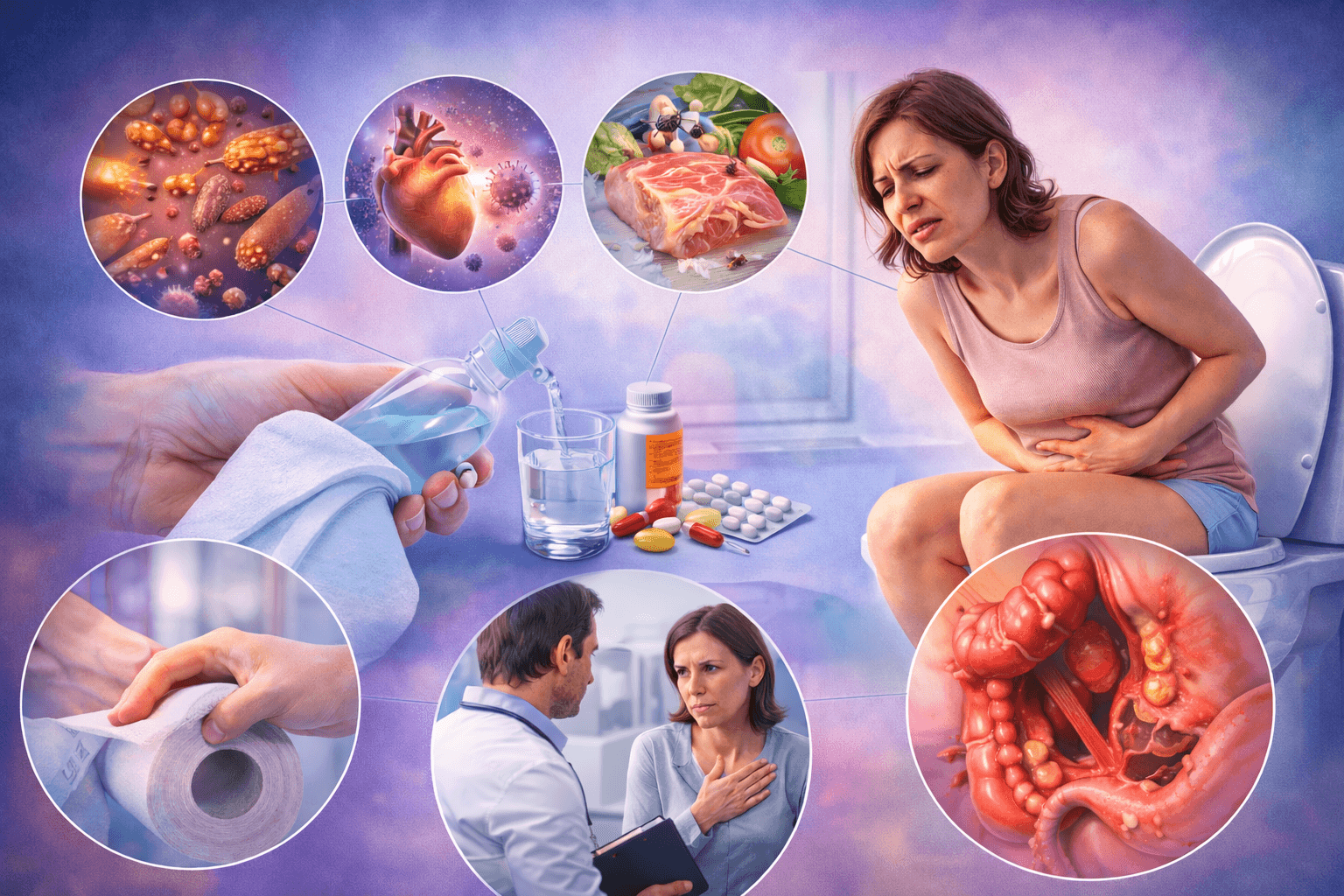
Basic Information About Diarrhea
Diarrhea is defined as having more than three watery stools within 24 hours or, especially in infants, more frequent and watery stools than usual. Diarrhea, which often starts suddenly and can lead to fluid loss, is mostly seen due to infections, but it can also be a symptom of various underlying conditions. Diarrhea is a common problem worldwide, especially among children, and is important due to the risk of dehydration (severe fluid loss).
Definition and Prevalence of Diarrhea
Diarrhea is a digestive system disorder characterized by stools that are more watery, loose, and frequent than normal. Although infections are the most common cause, food intolerances, certain medications, or digestive system diseases can also lead to diarrhea. When diarrhea develops, the body's fluid and mineral balance is disrupted, so special attention is needed in children, the elderly, and individuals with weakened immunity.
What Are the Causes of Diarrhea?
The most common causes of diarrhea include:
Intestinal infections caused by bacteria, viruses, or parasites (for example, Salmonella, E. coli, rotavirus, norovirus)
Consumption of spoiled or unhygienic foods (food poisoning)
Food intolerances or allergies (lactose or gluten intolerance)
Side effects of medications (especially antibiotics)
Chronic intestinal diseases (for example, Crohn's disease, ulcerative colitis, irritable bowel syndrome)
Psychological causes such as stress or anxiety
In infants and children, teething, improper nutrition, or certain metabolic diseases can also cause diarrhea.
What Is Dangerous (Toxic) Diarrhea and When Should It Be Taken Seriously?
Some types of diarrhea can cause significant loss of fluid and electrolytes in the body. Especially diarrhea caused by bacterial toxins (for example, cholera, Clostridium difficile) can reach life-threatening levels within a few hours. In such cases, severe thirst, sunken eyes, decreased urine output, changes in consciousness, rapid weight loss, bloody or mucous stools, high fever, and recurrent vomiting may be observed. When these symptoms develop, especially in children, the elderly, and individuals with weakened immune systems, urgent medical evaluation is required.
What Are the Different Types of Diarrhea?
Diarrhea is generally classified into different groups according to its course and underlying cause:
Acute diarrhea: The most common type, usually due to infections, lasting less than 2 weeks.
Chronic diarrhea: Lasts longer than 4 weeks and is usually associated with chronic diseases or malabsorption disorders.
Secretory diarrhea: Occurs due to excessive fluid secretion from the intestines (for example, cholera).
Osmotic diarrhea: Occurs when substances that are not absorbed draw water into the intestine (for example, lactose intolerance).
Fatty (steatorrheic) diarrhea: Occurs when fat absorption is impaired, resulting in fatty and bulky stools.
Clinical Symptoms and Fluid Loss Warnings
Symptoms such as vomiting, abdominal pain, and fever may accompany diarrhea. The most important risk is dehydration. In infants and young children, decreased urine output, dry mouth, crying without tears, sunken eyes and fontanelle, irritability, or a tendency to fall asleep are signs of severe fluid loss. In adults, signs such as weakness, dizziness, dry mouth, low blood pressure, and dark urine may be observed. If dehydration is not treated, it can become life-threatening.
How Is Diarrhea Diagnosed?
During diagnosis, the frequency, consistency, and appearance of the stool, as well as accompanying symptoms such as fever, vomiting, or blood, are questioned. In acute cases lasting less than 2 weeks, advanced tests are often not necessary. However, if diarrhea is prolonged, if there is bloody or mucous stool, recent antibiotic use, or if the immune system is suppressed, stool analysis, culture, some blood tests, and sometimes endoscopic examinations may be performed. These tests help distinguish bacterial/parasitic infections and chronic underlying diseases.
Management and Proper Approach to Diarrhea
The most important first step is to replace the fluids and electrolytes lost by the body. In mild cases, water, soup, rice water, weak tea, or oral rehydration solutions may be sufficient. In severe cases, especially with intense vomiting or significant fluid loss, intravenous fluid therapy may be necessary.
Treatment plans vary according to the cause of diarrhea and the patient's age:
It is recommended to continue breastfeeding in infants and young children if possible.
For infants and children who have started solid foods, rice porridge, boiled potatoes, yogurt, applesauce, bananas, and foods low in fiber are preferred.
Antibiotics are used only with a physician's approval and when a bacterial infection is confirmed.
Probiotics may help support the intestinal flora in both children and adults.
Things to Consider Before Diarrhea Resolves
If children or adults show warning signs such as excessive thirst, frequent vomiting, bloody stools, high fever, significant decrease in urine output, or sunken eyes, they should definitely seek medical attention. Although most diarrheas resolve within a few days, if symptoms persist or worsen, medical evaluation is essential.
Precautions to Prevent Diarrhea
Paying attention to hygiene rules, washing foods well, avoiding raw or undercooked foods, choosing safe drinking water, and regular hand washing are critical for preventing diarrhea. Breast milk is very important in the nutrition of young children. Vaccination programs initiated worldwide against infections such as rotavirus have also been shown to reduce serious cases of diarrhea.
Foods That May Help With Diarrhea at Home
Easily digestible and binding foods such as rice, boiled potatoes, bananas, mashed potatoes, and applesauce
Yogurt and kefir containing probiotics
Low-fat white bread and toast
Low-fat protein sources such as boiled chicken
Plenty of fluids (water, ayran, weak tea, oral rehydration drinks)
Foods low in fiber and fat
Note: Milk and dairy products may increase diarrhea in some individuals; it is also advisable to avoid caffeine, alcohol, and foods high in fiber.
What Can Be Done for Rapid Relief in Diarrhea?
A quick solution to completely stop diarrhea is not always possible because sometimes it is the body's mechanism for eliminating infection. It is recommended that the patient rest, consume plenty of fluids, continue eating light foods, and consult a healthcare professional if symptoms persist or worsen. Antidiarrheal medications are not always appropriate; especially in infection-related diarrheas, unnecessary medication use may worsen the condition.
Points to Consider During Diarrhea Outbreaks and Special Situations
In communal living areas, during summer, at holiday resorts, and in environments where hygiene conditions are difficult to maintain, diarrhea outbreaks may occur more frequently. In outbreak situations, extra attention should be paid to personal hygiene rules and suspicious foods should be avoided. Chronic diarrhea may also develop due to causes such as autoimmune diseases or metabolic disorders; in such cases, detailed medical evaluation should be performed and treatment should be continued in accordance with the plan.
Frequently Asked Questions (FAQ)
What should we avoid eating during diarrhea?
It is recommended to avoid raw, fatty or spicy foods, milk and dairy products (for some individuals), caffeinated, alcoholic, and carbonated beverages during diarrhea.
Is banana beneficial for diarrhea?
Yes, banana is an easily digestible food rich in potassium and is among the recommended foods during diarrhea.
How long does diarrhea last?
Most acute diarrhea cases last a few dIt usually resolves on its own within a few days. However, if diarrhea lasts longer than one week or is accompanied by other serious symptoms, a healthcare professional should be consulted.
My child has diarrhea, in which situations should I urgently consult a doctor?
If there is persistent vomiting, bloody stool, high fever, severe fatigue, decreased urination, or crying without tears, you should consult a doctor immediately.
Can antibiotics cause diarrhea?
Yes, the use of antibiotics can disrupt the intestinal flora and lead to diarrhea. In this case, if antibiotic use is to continue, be sure to consult your doctor.
Are probiotics beneficial for diarrhea?
Scientific studies show that some types of probiotics may help reduce the duration and severity of acute diarrhea. You can use them after consulting your physician.
What can be done at home for diarrhea in adults?
It is appropriate to drink plenty of water, eat soft and easily digestible foods, avoid very fatty and fibrous foods, and use oral rehydration solution if necessary.
What causes bloody diarrhea?
Bloody diarrhea usually develops due to infection, inflammatory bowel disease, or certain parasites; urgent medical evaluation is required.
How often should fluids be given during diarrhea?
Fluids should be given frequently and in small amounts, taking into account the color and frequency of urination. In young children and infants, frequent breastfeeding or age-appropriate fluid support is important.
Does Covid-19 cause diarrhea?
Covid-19 infection can cause diarrhea and other digestive system complaints in some individuals.
Why is diarrhea more common in summer?
In hot weather, foods spoil quickly, hygiene conditions become more difficult, and the risk of transmission increases in crowded places; therefore, the frequency of diarrhea increases in summer.
Are anti-diarrheal medications safe?
These medications are not always recommended, especially in diarrhea caused by infection; the decision to use them should be left to the physician.
What should be done if diarrhea is persistent?
In prolonged (chronic) diarrhea, underlying causes should be investigated and specialists should be consulted.
How is diarrhea treated in infants?
The most important approach is to prevent fluid loss. Breastfeeding should be continued, signs of fluid loss should be monitored, and oral rehydration solution recommended by your doctor should be given if necessary. In cases such as bloody diarrhea, inability to feed, or vomiting, consult a doctor without delay.
References
World Health Organization (WHO), “Diarrhoeal disease: Key facts,” 2023.
Centers for Disease Control and Prevention (CDC), "Diarrhea: Common Illness, Global Killer," 2022.
European Society for Paediatric Gastroenterology, Hepatology and Nutrition (ESPGHAN), "Management of Acute Gastroenteritis in Children," 2014.
American Academy of Pediatrics (AAP), "Acute Gastroenteritis," 2022.
Mayo Clinic, “Diarrhea - Symptoms and causes,” 2024.