What Are Hyperintense Lesions? Causes of Formation, Symptoms, and Treatment Approaches

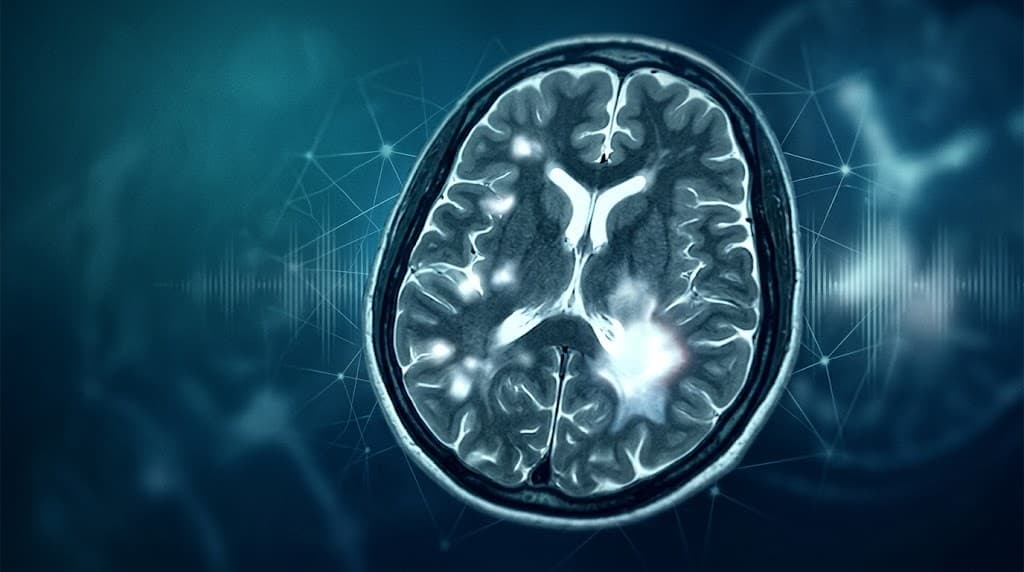
Hyperintense lesions most commonly appear as bright, or "hyperintense," areas on magnetic resonance imaging (MRI), particularly in T2-weighted or FLAIR sequences, primarily within central nervous system structures such as the brain and spinal cord. These bright areas can be detected within the white or gray matter and may indicate a wide variety of underlying health conditions.
What Are the Main Causes of Hyperintense Lesions?
There can be many different causes of hyperintense lesions in the brain or spinal cord. The most common among these include:
Chronic vascular diseases
Demyelinating diseases (e.g., Multiple Sclerosis)
Traumatic brain injuries
Infections
The number, size, and locations of lesions detected in these areas play a significant role in the severity and course of the disease. The characteristics of the lesion—for example, being numerous, covering large areas, or spreading to specific brain regions—can sometimes lead to increased disease severity.
What Are the Different Types of Hyperintense Lesions?
Hyperintense lesions can be classified in different ways according to their locations:
Periventricular lesions: Located around the brain ventricles and mostly associated with demyelinating diseases.
Subcortical hyperintense lesions: Occur in the white matter beneath the cortex; generally related to small vessel diseases and circulatory problems.
Juxtacortical hyperintense lesions: Found immediately adjacent to the brain cortex and especially seen in diseases such as Multiple Sclerosis.
Infratentorial hyperintense lesions: Lesions located in the lower part of the brain and cerebellum, which may accompany neurodegenerative diseases.
Diffuse hyperintense lesions: Lesions spread throughout the brain white matter, generally developing due to advanced age or long-term vascular diseases.
Focal hyperintense lesions: Appear in small and limited areas; usually associated with trauma, infection, or tumor processes.
Medulla spinalis hyperintense lesions: These lesions in the spinal cord are mostly due to trauma, inflammatory conditions, or tumor formations.
What Symptoms Can Hyperintense Lesions Cause?
Hyperintense lesions may not cause a specific symptom, but depending on the type of underlying cause and the extent of the lesion, they can lead to a variety of neurological findings. Potential symptoms include:
Headache
Balance disorders
Decline in cognitive functions
Seizures
Muscle weakness
However, many hyperintense lesions detected in advanced age may remain asymptomatic for a long time and can be discovered incidentally. As the number and area of lesions increase, the risk of more serious neurological problems also rises.
Benign Hyperintense Lesions: What Do They Mean and What Complaints Can They Cause?
Benign hyperintense lesions usually develop due to aging, hypertension, diabetes, migraine, or vascular diseases and are detected incidentally on MRI. Most of the time, these lesions do not cause significant health problems in the individual. However, in rare cases, some individuals may experience mild cognitive issues, headaches, or temporary neurological complaints.
These types of lesions are generally stable, non-progressive, and do not pose a serious health risk. However, if they are very large or numerous, it may be necessary to investigate the presence of other underlying neurological problems.
Malignant Hyperintense Lesions: Situations Requiring Attention
Malignant, that is, malignant hyperintense lesions may be structures in the brain or spinal cord that grow rapidly, can spread to normal tissues, and may have tumoral characteristics. On MRI, they are usually observed together with findings such as edema, necrosis, or hemorrhage around them. Depending on their location and size, these types of lesions may cause the following symptoms:
Severe headache
Seizures
Neurological deficits
Cognitive disorders
Personality changes
Malignant lesions are among serious medical conditions that require rapid intervention and necessitate a comprehensive treatment approach.
How Are Hyperintense Lesions Diagnosed?
The diagnosis of these lesions is primarily made by observing bright areas in T2 and FLAIR sequences on MRI. Imaging alone is not sufficient for diagnosis; the location, size, number of the lesion, and clinical findings should be evaluated together. If necessary, differential diagnosis can be made with contrast-enhanced MRI and other imaging techniques. In addition, history and neurological examination contribute to making a definitive diagnosis.
Approach to Hyperintense Lesions: What Are the Treatment Options?
The main goal in the treatment of hyperintense lesions is to manage the underlying disease that may be causing them. The treatment plan is shaped as follows:
For vascular-origin lesions, controlling risk factors such as high blood pressure and diabetes is a priority. Antihypertensive drugs, blood thinners, and cholesterol-lowering treatments are often recommended.
If demyelinating diseases (such as MS) are present, corticosteroids, disease-modifying, or immunomodulatory drugs may be preferred according to the patient's needs.
Symptomatic treatments and rehabilitation practices are implemented to improve the patient's quality of life.
Treatment is planned individually for each patient and always requires specialist evaluation. During the treatment process, regular MRI follow-ups should be performed to monitor the lesions.
When Is Surgical Intervention Necessary for Hyperintense Lesions?
Some lesions, especially rapidly growing tumors or large mass-forming foci, may require surgical treatment. The necessity of surgery is evaluated in detail, taking into account the location and size of the lesion, the patient's general condition, and neurological status.
The aim during surgery is to remove the lesion completely or partially, while causing the least possible damage to surrounding tissues. The postoperative period requires careful monitoring and, if necessary, additional treatments. In these surgeries, which require high expertise, risks and potential benefits must be discussed in detail with the patient and their relatives.
Recovery and Follow-up Process After Treatment
The success of treatment for hyperintense lesions may vary depending on the patient's general health status, the type of lesion, and the response to treatment. Follow-up is carried out by regularly evaluating both symptoms and imaging findings.
Adequate rest, physical therapy, occupational therapy, and psychological support when needed provide significant benefits for patients. In the long term, good management of risk factors such as hypertension and diabetes is very valuable in preventing the development of new lesions and halting the progression of existing ones.
Frequently Asked Questions
1. What is a hyperintense lesion?
A hyperintense lesion refers to areas of the brain or spinal cord that appear bright, especially in T2 or FLAIR sequences on MRI, and have undergone changes due to various causes.
2. Are these lesions always an indicator of a serious disease?
No, most hyperintense lesions, especially in the elderly, are generally benign and can be found without symptoms. However, since they may indicate serious diseases in some cases, clinical evaluation is important.
3. Can diagnosis be made with MRI alone?
MRI is the main imaging method for detecting hyperintense lesions. However, additional evaluations (history, examination, and other tests if necessary) are usually required to determine the cause.
4. What are the possible symptoms?
Symptoms, depending on the lesions,
varies depending on the type and location of the lesion. Complaints such as headache, mild or severe cognitive impairment, loss of balance, decreased muscle strength, and seizures may be observed.5. Does the severity of the disease increase as the number of lesions increases?
In some cases, numerous and widespread lesions may predispose to an increase in disease severity. Each case should be evaluated individually.
6. Is treatment required for every hyperintense lesion?
No, most lesions that are benign and incidental can be monitored. However, if there is an underlying serious condition, treatment is planned.
7. Is surgical intervention common?
Surgery is mostly preferred in malignant tumors or certain types of lesions. Benign and asymptomatic lesions generally do not require surgery.
8. What is the recovery process like after treatment?
The recovery process may vary from person to person. Physical therapy and lifestyle changes positively affect the process.
9. What are the risk factors?
Aging, hypertension, diabetes, vascular diseases, and certain genetic predispositions are the main risk factors.
10. Can hyperintense lesions be prevented?
It may not be possible to prevent them completely; however, management of risk factors (blood pressure, blood sugar, cholesterol control, healthy lifestyle) can reduce the development of new lesions.
11. How can it be determined whether lesions are dangerous?
Risk is determined by evaluating the clinical picture, type of findings, imaging characteristics, and history together. In suspicious cases, a specialist physician's opinion should definitely be sought.
References
World Health Organization (WHO): Neurological Disorders - Public Health Challenges
American Academy of Neurology (AAN) Guidelines: MRI Interpretation in White Matter Disorders
European Stroke Organisation (ESO): Guidelines on Cerebral Small Vessel Disease
National Multiple Sclerosis Society (NMSS): Lesion Types and Clinical Significance
Adams and Victor’s Principles of Neurology, 11th Edition
Radiology Society of North America (RSNA): Imaging Features of Brain Lesions