Essential Information About Tail Fat

What Are the Types of Tail Fat?
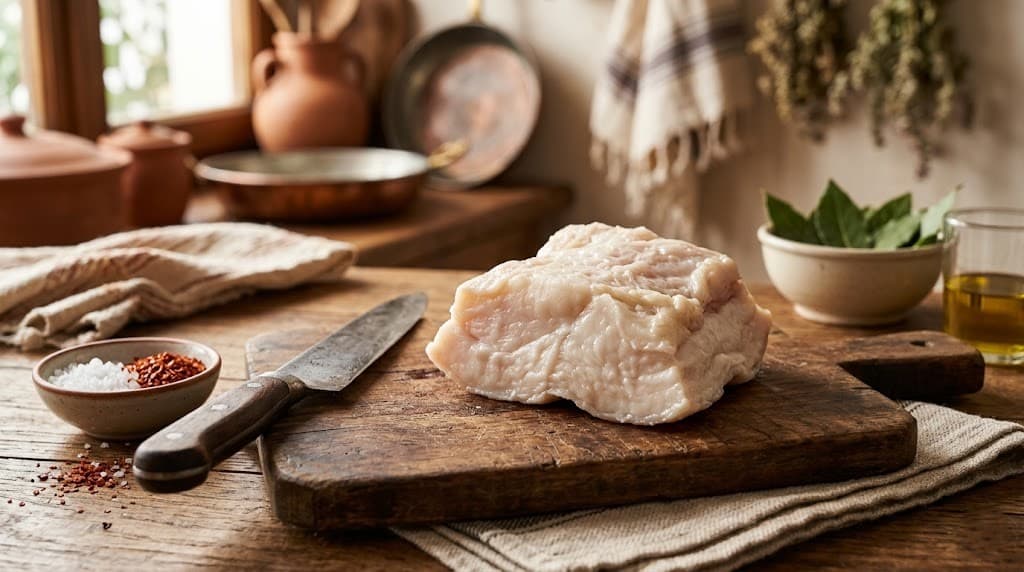
Tail fat is a type of animal fat primarily obtained from small ruminants such as sheep and lamb. It is generally extracted from the fat tissue in the tail region of these animals. Among other types of animal fats, suet (such as beef internal fat) is found as a different variety. However, as the name suggests, tail fat is mainly derived from the tail of sheep, and rarely from lamb, and is widely used especially in traditional cuisines. Internal fats obtained from different animals may vary in type and specific characteristics depending on the animal's body region. As a result, tail fat is available in two main types sourced from sheep and lamb.
Health Properties of Tail Fat
When used in a balanced and moderate manner, tail fat can provide certain benefits in traditional diets; however, its consumption in high amounts is not recommended. Some known positive effects of tail fat are as follows:
It may contribute to the maintenance of the immune system.
It contains certain supportive fatty acids for the nervous system.
It can be used as an energy source.
It may help support muscle and bone development.
In addition to all these, due to its high saturated fat content, excessive consumption may increase health risks such as cardiovascular diseases, elevated cholesterol, or obesity. Especially the high use of tail fat in processed foods can make these risks more pronounced. Therefore, it is recommended to consume it in amounts advised by experts.
In Which Areas Is Tail Fat Used?
Tail fat is traditionally used especially to add flavor to dishes. It provides an intense aroma and texture in various meat dishes and regional recipes. In some cultures, when used in small amounts, it is also considered supportive for health.
In addition, some people include tail fat among natural products for hair and skin care purposes. However, scientific evidence regarding the effectiveness and safety of these uses is limited. Therefore, caution is advised in external applications, and it is recommended to consult a physician before use on sensitive or allergic skin.
Tail Fat and Skin Health
Although there is some traditional knowledge about the positive effects of tail fat on the skin, it cannot be said that these benefits are fully scientifically proven. Nevertheless, in some societies, the external application of tail fat to the skin is used for purposes such as:
It is thought to help moisturize the skin.
When applied through massage, it is believed to provide local relief in joint disorders such as rheumatism.
It is occasionally preferred among natural care methods for eyebrow, eyelash, and hair care.
Some users apply it to help remove dead skin cells and support skin renewal.
However, the possible side effects and allergy risks of such applications should be considered, and a dermatologist should be consulted in cases of regular or widespread skin disorders.
What Should Be Considered When Using Tail Fat?
Like any food, tail fat can be part of a healthy diet when consumed in balanced amounts. However, portion control is of great importance. Due to its high fat content, excessive consumption may hinder the maintenance of ideal body weight and increase the risk of certain chronic diseases. Especially individuals with existing health problems, such as heart, vascular, or cholesterol issues, should definitely consult a health professional regarding the consumption of tail fat.
Frequently Asked Questions
1. What is tail fat and how is it obtained?
Tail fat is a type of animal fat obtained by extracting the fat tissue from the tail region of sheep and lamb. It can be prepared using traditional methods or industrially.
2. Is tail fat healthy?
Depending on its fat content, tail fat can be included in the diet when consumed in moderation. However, due to its high saturated fat content, excessive consumption may pose various health risks.
3. In which dishes is tail fat used?
Tail fat is preferred in some meat dishes, as well as in traditional recipes such as kebabs and pilaf. It contributes to flavor and aroma.
4. What are the harms of excessive tail fat consumption?
Excessive consumption of tail fat may lead to health problems such as cholesterol, cardiovascular diseases, and obesity, so portion control is important.
5. Is tail fat beneficial for the skin?
Although the use of tail fat in skin care has been traditionally tried, its definite benefit has not been scientifically proven. Caution should be exercised as it may cause skin sensitivity.
6. Does tail fat cause allergies?
Although rare, individuals who are allergic to animal fats may develop reactions such as redness, itching, or rash on the skin.
7. In which situations should tail fat not be consumed?
Individuals with a history of cardiovascular disease, high cholesterol, or at risk of obesity should definitely consult a doctor before consuming tail fat.
8. Is the use of tail fat in hair care safe?
Although some people use it as a hair mask, it is recommended to use it cautiously due to scalp sensitivity and possible allergy risks.
9. Is tail fat suitable for vegans?
As it is of animal origin, it is not suitable for vegan dietary preferences.
10. Is the use of tail fat safe for children?
The amount of added fats for children should be monitored, and a decision should be made in consultation with a pediatrician or nutritionist.
11. What is the relationship between tail fat and processed foods?
Tail fat may be found in high amounts in some processed and packaged foods. Therefore, the ingredient labels of packaged products should be read carefully.
12. Does tail fat contain gluten or lactose?
Tail fat does not naturally contain gluten or lactose, but attention should be paid to this in mixed products.
13. What is the difference between tail fat and vegetable oils?
Tail fat is animal-based, while vegetable oils are plant-based, and their fatty acid profiles differ. The saturated fat content is higher in tail fat in terms of health.
14. Is the use of tail fat common worldwide?
Tail fat is traditionally used especially in the Middle East, Central Asia, and some Mediterranean countries. Its use is limited in Western countries.
15. Does tail fat spoil in the cold?
Tail fat can be durable when stored under proper conditions. However, to prevent spoilage, it should be kept in a cool and dry environment.
References
World Health Organization – Healthy Eating Guidelines
American Heart Association – Saturated Fats and Health
European Food Safety Authority (EFSA) – The Role of Animal Fats in Nutrition
Harvard T.H. Chan School of Public Health – Healthy Cooking Oils
Mayo Clinic – Fats and Cholesterol: The Good, the Bad, and the Healthy Diet