Sensation of Needle Pricks in the Body: Causes and Key Considerations

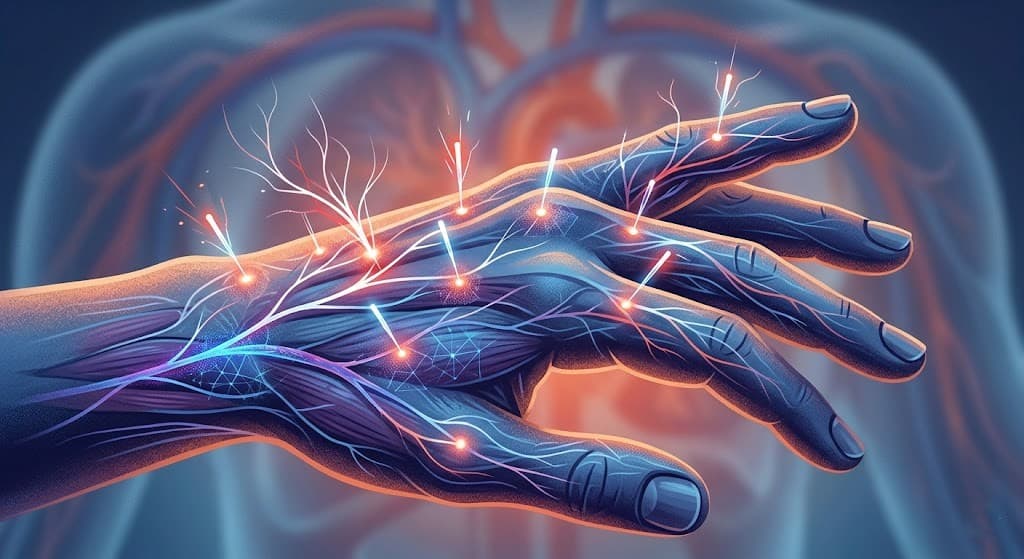
The sensation of pins and needles or tingling in the body is often referred to as "paresthesia" and can be a cause for concern for many people. Since many different health conditions can lead to such symptoms, the duration and severity of the symptoms are important. Below, the main causes of the sensation of pins and needles and key points to know about these conditions are explained.
Nerve Compression and Tingling
When nerves are under pressure in a certain area, blood vessels and nerves cannot function properly, leading to tingling and a sensation of pins and needles in the tissues. One of the best-known examples is carpal tunnel syndrome, which occurs due to compression of the median nerve in the wrist. In this case, numbness, tingling, and a feeling of restlessness may be seen in the hands and fingers. Similarly, compression of the sciatic nerve in the lower back can cause tingling and pain in the legs. Although nerve compressions are mostly due to mechanical causes (such as repetitive movements, poor posture, trauma), diagnosis and treatment planning are possible with a specialist evaluation.
Nerve Damage Due to Diabetes (Diabetic Neuropathy)
Prolonged high blood sugar levels can eventually cause damage to nerve cells. Neuropathy developing due to diabetes manifests itself with sensations such as pins and needles, numbness, and burning in the hands or feet; symptoms usually appear on both sides. Since such complaints are frequently encountered in individuals with diabetes, good blood sugar control and regular follow-up are important.
The Role of Vitamin Deficiencies
Deficiency of certain vitamins in the body can impair the healthy functioning of nerves. In particular, vitamin B12 deficiency leads to conduction problems in nerves and, as a result, symptoms such as pins and needles and tingling. B12 deficiency is more common in diets with low consumption of animal-based foods, in absorption problems, or in advanced age. When this deficiency is corrected, complaints usually decrease.
Central Nervous System Diseases: Multiple Sclerosis (MS)
Multiple sclerosis is a chronic and progressive disease in which the immune system damages its own nerves. In this disease, the myelin sheath that protects the nerve fibers is damaged; this leads to improper transmission of nerve signals. In MS, symptoms such as pins and needles, numbness, visual disturbances, muscle weakness, and balance problems may occur in various parts of the body. Since such complaints can be confused with other diseases, evaluation by a neurology specialist is required.
Peripheral Nerve Damage (Peripheral Neuropathy)
Damage to nerves outside the central nervous system in the body is called "peripheral neuropathy." Trauma, infection, toxic substances, or chronic diseases can cause this. Loss of sensation such as tingling, burning, and numbness in the hands and feet are the main symptoms of peripheral neuropathy. With treatment targeting the underlying cause, it is possible to control the complaints.
Thyroid Function Disorders: Hypothyroidism
Hypothyroidism, which means the thyroid gland cannot produce enough hormone, affects the body in many ways. Due to the slowing of metabolism, nerve health is also adversely affected. Especially tingling and pins and needles in the hands and feet are common symptoms. Other findings such as fatigue, weight gain, cold sensitivity, and low mood may also be present. In treatment, thyroid hormone supplementation is applied.
Infections and Inflammatory Diseases
Certain infections or diseases in which the immune system is activated can also cause sensitivity in the nerves. For example, shingles (herpes zoster virus) causes inflammation of the nerves and, along with a skin rash, severe pain and a sensation of pins and needles. Some chronic inflammatory diseases such as rheumatoid arthritis can also cause tingling complaints due to nerve compression or damage.
The sensation of pins and needles in the body can sometimes be temporary and harmless. However, if complaints persist for a long time, progress, or affect daily life, it is important to consult a physician to determine the underlying cause and arrange appropriate treatment.
Frequently Asked Questions
1. Is the sensation of pins and needles in the body dangerous?
Most of the time, this complaint is due to temporary and harmless causes; however, in cases that are pronounced, long-lasting, or accompanied by additional symptoms, a significant underlying disease may be present, so medical evaluation is necessary.
2. How does nerve compression resolve?
The treatment of nerve compression depends on the underlying cause. In mild cases, rest, changing position, and exercise may be sufficient. In more serious cases, medical treatment or surgery may be required.
3. Can diabetic neuropathy be completely cured?
Diabetic neuropathy is mostly chronic and progressive. With good blood sugar control, symptoms can be alleviated, but the damage to the nerves may not be reversible.
4. What complaints are seen in vitamin B12 deficiency?
B12 deficiency can cause various neurological and systemic symptoms such as pins and needles in the hands and feet, tingling, weakness, fatigue, and memory problems.
5. Is the sensation of pins and needles permanent in multiple sclerosis?
In MS, the sensation of pins and needles sometimes occurs with attacks and may decrease over time. However, such symptoms can vary from person to person.
6. What tests are performed in peripheral neuropathy?
Nerve conduction studies (EMG), blood tests, and imaging tests if necessary can be performed.
7. Will there be problems if hypothyroidism is not treated?
Yes. If not treated, not only tingling but also negative effects on the heart, metabolism, and mental state can be seen.
8. Can shingles recur?
Shingles usually occurs once; however, if the immune system is very weak, the risk of recurrence may increase.
9. How can the sensation of pins and needles be reduced?
Treatment targeting the underlying cause is the most effective method. In short-term and mild cases, rest, changing position, and exercise may help; however, for persistent complaints, it is necessary to consult a physician.
10. Is it beneficial to take vitamin supplements?
If vitamin deficiency is detected, taking supplements in appropriate doses under medical supervision may be beneficial. Unnecessary or unconscious use of vitamins is not recommended.
References
World Health Organization (WHO) – Overview of Neurological Disorders
American Diabetes Association (ADA) – Diabetic Neuropathy Guidelines
American Academy of Neurology (AAN) – Peripheral Neuropathy Information Notes
Mayo Clinic – Paresthesia and Related Symptoms
National Institutes of Health (NIH) – Vitamin B12 Deficiency and the Nervous System
Centers for Disease Control and Prevention (CDC) – Nervous System Infections and Precautions