Stomach Pain: Causes, Symptoms, and Solutions

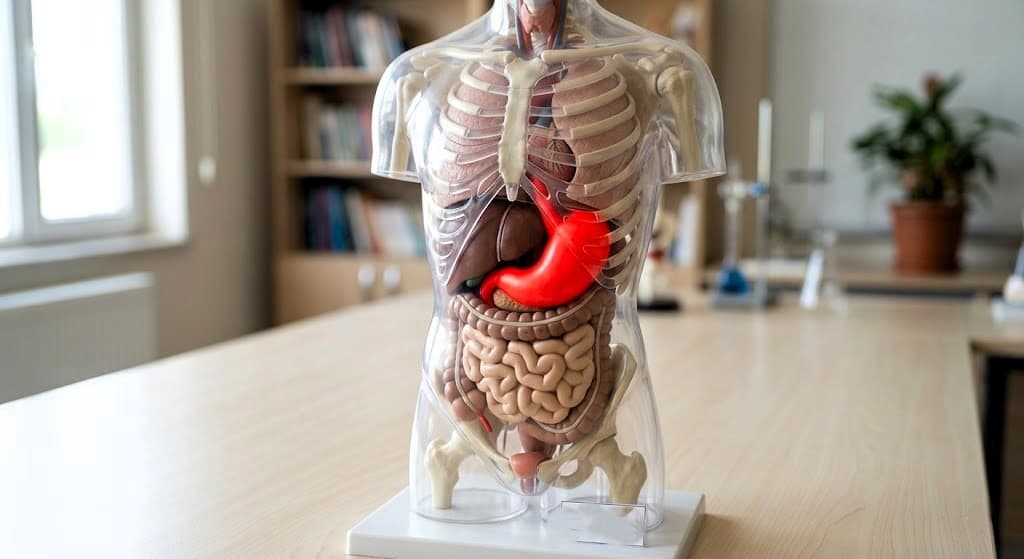
Stomach Pain
Stomach pain is a complaint that negatively affects daily life and can be caused by a wide variety of reasons. Sometimes it may result from temporary conditions such as mild indigestion, and sometimes it may appear in a wide spectrum ranging from more serious health problems such as ulcers or infections. The severity, duration, and accompanying symptoms of the pain provide important clues in determining the underlying problem. Therefore, it is important not to underestimate stomach pain and to consult a specialist when necessary.
What Are the Common Causes of Stomach Pain?
There can be many different causes of stomach pain. Although diseases of the digestive system are prominent among these, other factors may also play a role:
Gastroesophageal reflux disease (GERD): Occurs when stomach acid flows back into the esophagus. Along with stomach pain, burning in the chest, difficulty swallowing, and increased heartburn especially after certain foods may be observed.
Gastritis: Inflammation of the stomach lining. Complaints such as bloating, nausea, and burning may accompany after meals. If left untreated, ulcers may develop over time.
Helicobacter pylori (H. pylori) infection: This bacterium, which can settle in the stomach and remain without symptoms for a long time, may cause stomach pain, nausea, loss of appetite, and weight loss. H. pylori is a common infection worldwide.
Medication use: Especially painkillers and some anti-inflammatory drugs can irritate the stomach lining and cause pain.
Food sensitivities: Sensitivity to certain foods (for example, gluten in celiac disease) can cause stomach complaints.
Other causes: Indigestion, peptic ulcer, hiatal hernia, stomach cancer; use of alcohol and tobacco products can also cause stomach pain.
Common Symptoms Seen with Stomach Pain
The following symptoms often accompany stomach pain:
Heartburn or acid reflux
Nausea, even vomiting
Bloating and urge to pass gas
Bad breath
Hiccups or coughing attacks
These symptoms may sometimes subside or intensify; if they become recurrent or severe, a healthcare professional should definitely be consulted.
What Are the Possible Causes of Severe Stomach Pain?
Cramping or writhing stomach pains are often a sign of a more serious condition. The main causes of such stomach pain are:
Digestive system infections (affecting the stomach and intestines)
Pancreatitis (inflammation of the pancreas)
Intense stress and anxiety (may cause stomach spasms)
Gallbladder diseases and gallstones
Poor eating habits (very fatty, acidic, or spicy foods)
Chronic constipation or diarrhea
Food poisoning
The person's living conditions and dietary habits may determine the frequency of such pains. If the pain is severe or develops suddenly, seeking early medical help can prevent serious complications.
What Helps Relieve Stomach Pain at Home?
There are some simple methods that can be applied at home to relieve stomach pain. However, these suggestions provide temporary relief; if the pain is persistent, it is recommended to consult your doctor.
Drinking enough water: Water consumption is important for healthy digestion.
Choosing light and low-fat foods.
Chamomile tea: With its natural anti-inflammatory effect, it can relax stomach muscles.
Ginger: May help reduce indigestion and nausea. Can be consumed as tea.
Mint: Can relax stomach and intestinal muscles, relieve gas and spasms.
Taking a warm bath or applying a hot water bottle to the abdominal area may provide relaxation.
Avoiding smoking and alcohol.
Baking soda and lemon water: According to some sources, a mixture of lemon juice and baking soda may relieve digestive complaints; however, excessive use should be avoided.
Herbs such as yarrow and licorice root may be supportive; consult a physician before regular use.
What Health Problems May Be Associated with Stomach Pain?
Stomach pain is mainly associated with diseases related to the digestive system. The main ones include:
Gastritis: Inflammation of the stomach lining. Burning and bloating are the main symptoms.
Stomach ulcer: Formation of sores on the inner surface of the stomach. Pain that increases when hungry or wakes you up at night may be seen.
Reflux (GERD): Occurs when stomach acid escapes upwards, causing a burning sensation behind the chest and a sour taste.
Gallbladder and pancreas diseases: May cause pain felt in the stomach area.
Infections and food poisoning: Gastrointestinal infections caused by viruses or bacteria may cause sudden and cramp-like pains, along with nausea and diarrhea.
Food intolerance: Sensitivity to dairy products or certain foods also affects the stomach.
Stress and psychological factors: Intense stress may increase stomach contractions.
Stomach Pain and Nausea: When Should It Be Taken Seriously?
If stomach pain is accompanied by symptoms such as nausea, vomiting, bloating, loss of appetite, high fever, or general weakness, monitor yourself. Especially if the pain is severe, develops suddenly, wakes you up at night, or persists stubbornly, you should consult a doctor.
Causes of Stomach Pain by Age Groups
In children: Stomach pain is quite common in children and in most cases is caused by simple reasons. However, diseases such as intestinal parasites, urinary tract infection, appendicitis, milk and food intolerances, and reflux may also play a role. Specialist evaluation is required.
In adolescents: Irregular eating, stress, and exam anxiety during adolescence can cause stomach pain. It is important to seek a doctor's opinion in persistent or severe complaints.
In the elderly: Physiological changes, medication use, decreased digestive capacity, and chronic diseases can trigger stomach pain in the elderly. Especially in cases of persistent or unrelenting pain, a doctor should be consulted without delay.
During pregnancy: As the uterus grows, pressure on the stomach increases; hormonal changes and dietary habits can also trigger stomach complaints. Serious conditions should be ruled out, and medical advice should be followed when necessary.
Special Periods and Stomach Pain:
After breaking the fast, eating quickly and excessively after a long period of fasting, consuming carbonated beverages, and choosing fatty and heavy meals can increase stomach pain after iftar. Eating slowly and in small portions, maintaining a balanced diet, and increasing water intake can help prevent these complaints.
Ways to Prevent Stomach Pain
Although it is not possible to completely prevent stomach pain, the following lifestyle changes may be beneficial for most people:
Regular and balanced nutrition
Eating slowly and chewing food thoroughly
Limiting alcohol, smoking, and acidic beverages
Trying to manage stress
Paying attention to sleep patterns
Avoiding unconscious use of medication
Not neglecting regular health check-ups
Herbs That May Relieve Heartburn
i TeasSome herbal teas may exhibit properties that regulate and soothe the acid balance in the stomach. These teas can alleviate complaints, but should not be used as a primary treatment:
Chamomile tea: Provides soothing and anti-inflammatory effects, relaxes the stomach lining.
Fennel tea: May reduce gas and bloating; can alleviate excess acid.
Peppermint tea: May help reduce and relieve stomach spasms.
Ginger tea: Supportive in indigestion and nausea.
Lemon balm tea: Can relax stomach muscles by relieving stress-related stomach sensitivity.
Licorice root tea: Known for protecting the stomach lining, should be used carefully and in moderation.

Other Herbal Teas That May Support Stomach Pain
Green tea: May support digestion with its antioxidant effects.
Basil tea: May be beneficial for indigestion and stomach pain.
Clove tea: Research has shown that clove may help protect the stomach mucosa and relieve pain.
It is important to consume herbal teas regularly and consciously. In cases of chronic or severe stomach problems, a specialist should definitely be consulted.
Frequently Asked Questions
1. Why doesn't my stomach pain go away?
Persistent stomach pain may be a sign of known stomach diseases, infection, ulcer, reflux, chronic stress, poor nutrition, medication use, or other systemic disorders. Consult a doctor for persistent complaints.
2. Does every stomach pain indicate a serious illness?
Most of the time, stomach pain can arise from simple causes. However, if the pain is severe, long-lasting, sudden in onset, or accompanied by other symptoms, medical evaluation is necessary.
3. When should I see a doctor for stomach pain?
In cases of severe, sharp, frequently recurring, pain that wakes you up at night, or stomach pain accompanied by symptoms such as fever, bleeding, or rapid weight loss, a physician should be consulted immediately.
4. What are the most effective home remedies for stomach pain?
Increasing fluid intake, choosing light foods, drinking chamomile or ginger tea, and applying mild heat to the abdomen are generally soothing. However, these measures are for temporary complaints.
5. What are the most common causes of stomach pain in children?
Infections, intestinal parasites, food intolerances, and stress are the main causes of stomach pain in children. If the pain is severe or persistent, pediatric evaluation is required.
6. Which herbal teas can help with heartburn?
Chamomile, fennel, peppermint, ginger, and lemon balm teas may alleviate heartburn. However, if complaints persist, medical assistance should be sought.
7. Is stomach pain risky during pregnancy?
During pregnancy, the growing uterus and hormonal changes can cause stomach pain. However, in cases of severe or chronic pain, an examination is necessary.
8. Does stress cause stomach pain?
Yes. Stress and anxiety can increase stomach and intestinal movements, leading to spasms and pain.
9. What conditions should be considered if stomach pain and nausea occur together?
Food poisoning, infections, ulcers, reflux, and some systemic diseases may be effective in this combination. Especially if you have unexpected symptoms, consult a doctor.
10. Do herbal teas completely relieve stomach pain?
Herbal teas can be supportive in mild and temporary discomforts. For chronic, severe, or pain accompanied by other symptoms, a doctor should be consulted.
11. Why should stomach pain in the elderly be taken seriously?
The risk of stomach and intestinal diseases increases with age. In addition, some diseases may present with atypical findings. Therefore, persistent stomach pain in the elderly should definitely be evaluated.
12. Which foods should I suspect as the cause of the pain?
Very fatty, spicy, acidic, carbonated drinks and foods; dairy products or foods containing gluten may cause stomach pain and discomfort in some individuals.
13. I frequently experience stomach pain, what should I do?
Review your eating habits, avoid risky foods, have regular health check-ups, and follow your doctor's recommendations.
14. Is stomach pain common in many people?
Yes, stomach pain and indigestion are quite common health problems worldwide and most often arise from common and simple causes.
References
World Health Organization (WHO): Digestive Health
US Centers for Disease Control and Prevention (CDC): Helicobacter pylori Infection
American College of Gastroenterology: Common GI Symptoms
Mayo Clinic: Stomach pain
National Institute of Diabetes and Digestive and Kidney Diseases: Indigestion and Heartburn
Peer-reviewed scientific publications and association guidelines (e.g., "Gastroenterology", "The Lancet Gastroenterology & Hepatology")