Spinal and Lumbar Disc Herniation: Fundamental Information, Symptoms, and Treatment Methods

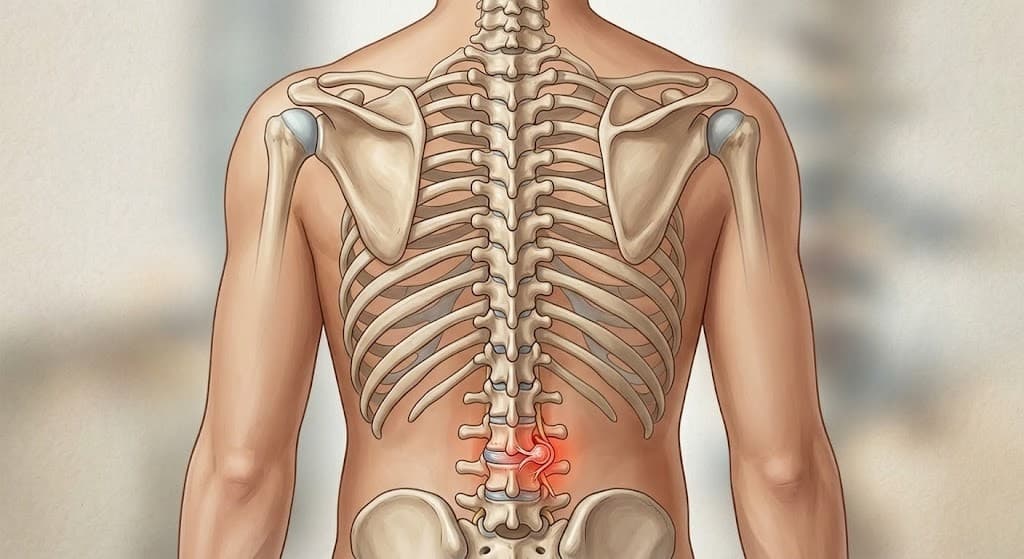
Structure of the Spine and Spinal Cord
The spine is the main skeletal structure that supports the body, consisting of 24 vertebrae. It houses the spinal cord, which is formed by nerve bundles that enable communication between the brain and the body. The muscles surrounding the spine provide mobility and endurance for the back and waist.
Anatomically, the spine is divided into four regions: the cervical (neck), thoracic (chest), lumbar (lower back), and sacral (tailbone) regions. The lumbar region consists of five vertebrae numbered from L1 to L5. The intervertebral discs between the vertebrae act as cushions that facilitate movement and reduce impact.
What Is a Lumbar Hernia?
A lumbar hernia occurs when the disc between the lumbar vertebrae ruptures and the soft tissue inside presses on the nerves. This disc displacement or protrusion usually causes severe back and leg pain. Although herniation of the disc is often caused by aging and accompanying tissue weakening, sudden strain or heavy lifting can also accelerate the process.
What Are the Main Symptoms of Lumbar Hernia?
The most common findings of lumbar hernia include:
Pain in the back and legs
Numbness or tingling in the legs
Numbness or burning in the feet
Difficulty walking
When the herniated disc compresses the nerve roots, the pain typically radiates from the lower back to the leg. Sometimes, pain is felt only in the back, while at other times, weakness or balance problems may occur in the legs and feet. In rare cases, emergency symptoms indicating cauda equina syndrome, such as loss of bladder or bowel control or sexual dysfunction, may develop. In such cases, urgent medical intervention is required.
Factors Contributing to the Development of Lumbar Hernia
Many people may experience back pain at some point in their lives. However, lumbar hernia is seen to be more closely associated with various risk factors:
Excessive lifting or strenuous movements
Prolonged sitting (e.g., desk work, long-distance driving)
Obesity (excess weight), which adds extra load to the spine
Smoking, which negatively affects the nutrition of disc tissues
Genetic predisposition; sometimes lumbar hernia can be seen in more than one family member
Sedentary lifestyle; weakness of the back and abdominal muscles increases the risk
Excessive weight gained during pregnancy contributes to pressure on the lumbar vertebrae
How Is Lumbar Hernia Diagnosed?
The first step in diagnosing lumbar hernia is a detailed medical history and physical examination. The location of the patient's pain, the areas of the body it radiates to, and whether there is any loss of strength or sensation are evaluated. In some cases, actions such as coughing or sneezing may intensify the pain.
Imaging methods play an important role in supporting the diagnosis:
X-ray: Shows the bony details of the spine and is used to detect fractures and deformities.
Computed Tomography (CT): Helps evaluate calcified or herniated discs.
Magnetic Resonance Imaging (MRI): As it provides detailed information about soft tissue, nerves, and discs, it is the most preferred method for diagnosing lumbar hernia.
Electroneuromyography (EMG): Can detect whether there is impairment in nerve conduction.
In some cases, additional blood tests may be required if there is suspicion of an underlying infection, tumor, or systemic disease.
What Approaches Are Used for Lumbar Hernia?
Treatment of lumbar hernia is planned according to the patient's complaints, the degree of herniation, and the risk of nerve damage. In early-stage cases, the following methods are generally recommended:
Short-term rest
Physical therapy and rehabilitation applications
Medications to reduce pain and inflammation (mostly nonsteroidal anti-inflammatory drugs)
In cases with more severe pain or neurological findings, stronger painkillers or muscle relaxants may be used. However, if sufficient benefit is not obtained from drug therapy or if emergency situations such as loss of bladder or bowel control develop, surgical intervention may be considered.
What Are the Surgical Treatment Options?
Surgery is generally considered in the presence of severe loss of strength, urinary or fecal incontinence, sexual dysfunction, or severe and persistent pain. The main surgical methods applied are:
Microdiscectomy: Removal of herniated disc material under a microscope
Laminectomy: Relieving pressure on the nerve by removing a part of the spine (lamina)
Artificial disc surgery: Removal of the damaged disc and placement of an artificial disc; applied only in certain patient groups
Spinal fusion: Fixation of multiple vertebrae to each other; preferred in cases of severe instability
Although there are risks such as infection, bleeding, or nerve injury after surgical procedures, such complications have been minimized thanks to modern microsurgical techniques.
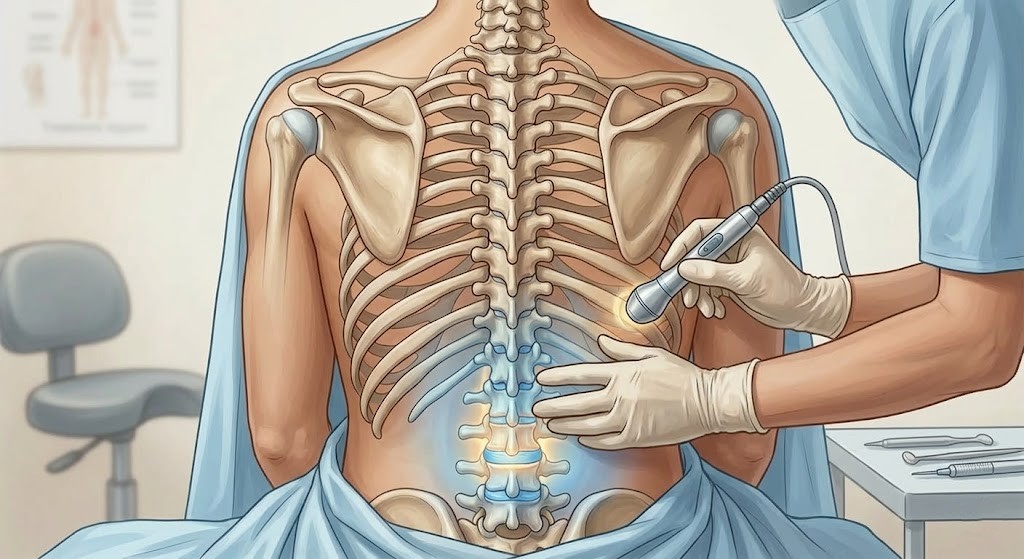
Recovery and Life After Lumbar Hernia
In cases where surgery is not required or in the postoperative period, spinal health can be maintained with physical therapy, muscle strengthening, and appropriate exercise programs. Hot-cold applications recommended by a specialist, short-term rest, and posture training also support the recovery process.
What Should Be Considered to Prevent Lumbar Hernia?
Various lifestyle changes are important in preventing lumbar hernia:
Maintaining a healthy weight and avoiding unnecessary weight gain
Doing regular exercises to strengthen muscles (especially abdominal and back muscles)
When lifting an object from the ground, bending the knees and keeping the back straight
Taking regular breaks and stretching in jobs that require prolonged immobility
Avoiding high-heeled shoes and tobacco use
Acquiring posture habits suitable for spinal physiology in daily life
Long-Term Effects of Lumbar Hernia
If not managed appropriately, lumbar hernia can lead to permanent problems such as progressive back pain, irreversible nerve damage, and deterioration in quality of life. Therefore, it is important to consult a specialist when suspicious symptoms occur and to comply with recommendations.
Frequently Asked Questions
1. What is lumbar hernia and how does it occur?
Lumbar hernia occurs when the disc between the vertebrae in the lower back ruptures and the soft tissue inside presses on the nerves. It is usually triggered by age-related degeneration, strenuous movements, or heavy lifting.
2. What are the symptoms of lumbar hernia?
The most common symptoms are back and leg pain, numbness or tingling in the legs, difficulty walking, weakness in the feet, and rarely, loss of bladder or bowel control.
3. Does every back pain mean lumbar hernia?
No. There are many other conditions that can cause back pain. If the back pain radiates to the legs or is accompanied by loss of sensation, the likelihood of lumbar hernia increases. A definitive diagnosis should be made by consulting a doctor.
4. Can lumbar hernia heal on its own?
Most cases can heal on their own within about 6 weeks with rest, medication, and physical therapy. However, if symptoms worsen or there is loss of bladder or bowel control, a healthcare facility should definitely be consulted.
5. Is surgery mandatory in the treatment of lumbar hernia?
Most patients do not need surgery. If the pain can be managed, there is no loss of muscle strength, and no nerve damage has occurred, medication and physi
k treatment is sufficient. Surgery is considered in cases of muscle weakness, urinary or fecal incontinence, or severe, persistent pain.6. In which situations is emergency surgery required?
If there are symptoms such as sudden onset of urinary or fecal incontinence, severe weakness in the legs, or loss of sexual function, this is an emergency and it is necessary to seek hospital care without delay.
7. What can be done at home to relieve herniated disc pain?
Short-term rest, doctor-recommended cold-hot compresses, light stretching exercises, and a spine-friendly posture may be soothing. However, if there is an increase in pain or muscle weakness, a physician should be consulted.
8. Which exercises are beneficial for a herniated disc?
Exercises that gently strengthen the back and core muscles are recommended. However, the appropriate exercise varies for each individual; it is advisable to consult a physiotherapist or physician.
9. What is the effect of obesity and smoking on herniated disc?
Excess weight puts additional load on the spine and discs, while smoking can impair the nutrition of the discs. These two factors increase the risk of herniated disc; a healthy lifestyle is important among preventive measures.
10. What should be considered to prevent herniated disc?
Regular exercise, maintaining a healthy weight, using proper techniques when lifting heavy objects, and avoiding smoking help protect spinal health.
11. Can a herniated disc recur?
Yes, especially if risk factors persist or appropriate lifestyle changes are not made, it may recur. Paying attention to physical activity and posture can help prevent recurrence.
12. Which imaging methods are used for herniated disc?
MRI is most commonly used; in addition, X-ray and computed tomography may also be required. The decision is made based on the physician's evaluation.
13. What is the role of physical therapy in herniated disc?
Physical therapy strengthens the muscles, supports the spine, reduces pain, and contributes to the healing process. The treatment program should be planned individually.
14. What are the risks after surgery?
As with all surgical procedures, there are risks such as infection, bleeding, and nerve damage. However, risks are significantly reduced with microsurgical techniques.
15. Can sports be done with a herniated disc?
Appropriate exercises recommended by a physician may be beneficial. However, instead of heavy and strenuous sports, controlled physical activities suitable for the body should be preferred.
References
World Health Organization (WHO) – Musculoskeletal health
American Academy of Orthopaedic Surgeons (AAOS) – Herniated Disk (Slipped Disk)
National Institutes of Health (NIH) – Low Back Pain Fact Sheet
European Association of Neurosurgical Societies (EANS) – Lumbar Disc Herniation Guidelines
American Association of Neurological Surgeons (AANS) – Herniated Disc