Sore Throat: Causes, Symptoms, and Effective Approaches

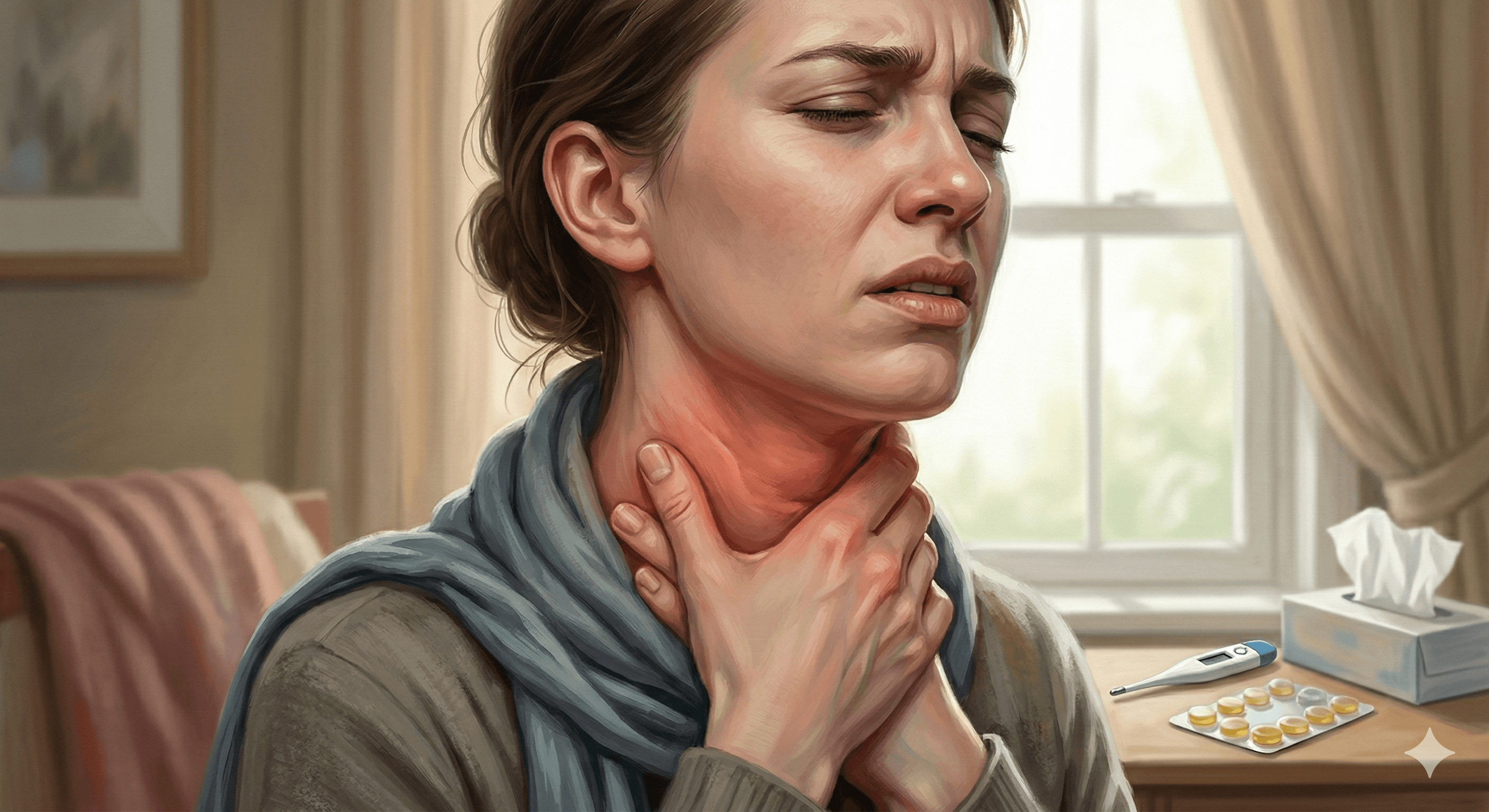
What Kind of Condition Is a Sore Throat?
Sore throat is a very common complaint that manifests as a burning, itching, stinging, irritation, and pain sensation, often occurring when swallowing. It is among the leading symptoms for which people visit outpatient clinics. The feeling of dryness or discomfort in the throat usually resolves quickly and can improve on its own. However, in some cases, prolonged or frequently recurring sore throats may be a sign of a more serious health problem and may require medical evaluation.
Which Parts of the Throat Are Affected?
Sore throat is named according to its type depending on which part of the throat is affected:
Pain affecting the surface at the back of the mouth is called pharyngitis,
If it causes swelling and redness in the tonsils, it is called tonsillitis (tonsil inflammation),
If it is in the larynx region, it is called laryngitis.
Practical Methods to Relieve Sore Throat
There are simple home remedies that can be tried to relieve a sore throat. Drinking plenty of fluids, consuming warm teas, and staying in a humid environment may help soothe the throat. Warm water with lemon and honey, ginger tea, chamomile and sage tea, echinacea or licorice root herbal teas are traditionally frequently preferred. In addition, scientific studies have shown that some herbal extracts (such as ginger, echinacea) may help soothe throat irritation and inflammation. However, since herbal supplements may not be suitable for everyone, it is recommended that individuals with chronic illnesses or those who use regular medication consult their doctor before trying such methods.
Approaches to the Treatment of Sore Throat
Treatment of sore throat is shaped according to the underlying cause:
In sore throats caused by viral infections, antibiotics are generally not used and supportive treatment (such as rest, fluid intake, antipyretics) is sufficient.
If bacterial infections are detected, the doctor may initiate appropriate antibiotic therapy. This usually lasts 7–10 days.
Pain relievers–anti-inflammatory drugs such as acetaminophen or ibuprofen may be used to relieve pain and inflammation.
If the sore throat is due to allergies, antihistamine medications may be beneficial.
For sore throats caused by reflux, dietary changes and medications that suppress stomach acid may be recommended.
What Are the Main Symptoms of Sore Throat?
Sore throat is mostly characterized by pain that increases with swallowing, burning, stinging, swelling, and redness in the throat. In some cases, additional findings such as hoarseness, cough, fatigue, fever, or difficulty swallowing may also accompany.
Who Is More Affected by Sore Throat?
Although it can be seen at any age, children and young adults (especially those with immature immune systems) experience sore throat more frequently. In addition, those who get sick often, individuals with allergic constitutions, and those who spend time in crowded environments (e.g., schools, public transport) are also in the risk group.
Natural Remedies to Soothe Sore Throat
Common recommendations that may help soothe the throat:
Hot drinks (herbal teas, warm milk or water)
Mixture of honey and lemon
Gargling with salt water
Humidifying the room air (e.g., using a vaporizer)
Avoiding smoking and irritants
However, if the pain is severe, prolonged, or if additional findings such as fever or shortness of breath occur despite these recommendations, a doctor's evaluation is necessary.

Foods and Natural Supports Beneficial for Sore Throat
Traditionally, honey, yogurt, soft pureed foods, and hot soups are recommended against sore throat. Honey moisturizes and soothes the throat; apple cider vinegar is preferred by some due to its mild antibacterial properties. Garlic is frequently highlighted among the public for its strong antioxidant and antimicrobial properties. However, personal sensitivities and stomach issues should be considered when trying these foods.
Common Causes of Sore Throat
Common cold, flu, and similar viral infections (among the most common causes of sore throat)
Infections caused by streptococcal bacteria (should be especially considered in school-age children)
Allergies (triggers such as pollen, dust, mold, animal dander)
Dry air, environmental pollution, and cigarette smoke
Mechanical irritation (speaking loudly, shouting, consumption of hot–cold food–drinks)
Reflux disease (stomach acid reaching the esophagus and throat)
Rarely, tumors, chronic inflammatory conditions, or trauma
Risk Factors in the Development of Sore Throat
Children and young people aged 3–15
Smoking or exposure to cigarette smoke
Conditions that weaken the immune system (certain diseases and medications)
Spending long periods in crowded, enclosed spaces
Insufficient attention to personal hygiene
Precautions to Prevent Sore Throat
Developing a regular and proper hand washing habit
Wearing a mask or using hand sanitizer as much as possible in crowded environments
Paying attention to the cleanliness of personal items
Supporting the immune system with a balanced diet and regular sleep
Not smoking, avoiding exposure to cigarette smoke
Getting recommended vaccines against flu and some bacterial infections
What Should Be Done If Sore Throat Persists?
Most sore throats resolve on their own within 5–10 days with rest and supportive measures at home. However, if the following situations occur, it is necessary to consult a doctor without delay:
Difficulty breathing, swallowing, or opening the mouth
Noticeable swelling in the neck or face
High fever (38°C and above)
Persistent hoarseness or severe ear pain
Blood in saliva or increased drooling
Systemic symptoms such as joint pain or rash
How Is Sore Throat Diagnosed?
The main approach in diagnosis is listening to the patient's history, physical examination, and laboratory tests if necessary. Specialist doctors clarify whether there is a bacterial infection by performing rapid antigen tests or throat culture examination with a sample taken from the throat when needed. Visual examination (inspection of the pharynx) is often sufficient for diagnosis.
The Relationship Between Sore Throat and Hoarseness
Persistent hoarseness after a sore throat is mostly related to irritation of the vocal cords. In cases of prolonged hoarseness, it is important to consult an ear, nose, and throat (ENT) specialist.
Are Vaccines Effective in Preventing Sore Throat?
Vaccines developed against flu and some bacterial infections, which are among the main causes of sore throat, can provide preventive protection. You can get information from your doctor about the annual flu vaccine and other regionally recommended vaccines (for example, strep vaccine in some countries).
Sore Throat and COVID-19
Sore throat is also one of the important symptoms of COVID-19. However, this disease cannot be diagnosed by sore throat alone; other findings such as fever, cough, and shortness of breath should also be evaluated. In case of suspicion, medical evaluation and testing are recommended if necessary.
Frequently Asked Questions
Is sore throat usually caused by an infection?
Mostly, yes. Especially viral infections such as the common cold and flu are among the most common causes.
What soothing methods can I try at home for a sore throat?
Warm drinks, honey, lemon water, gargling with salt water, humidifying the air, and resting your voice are the main recommendations.
Is sore throat dangerous in children?
Although simple infections are common in childhood, if there are additional symptoms such as high fever, difficulty breathing, or rash, a doctor should be consulted.
In which situations should a doctor be consulted for a sore throat?
If symptoms last longer than 10 days, if difficulty breathing or swallowing develops, or if severe fever or neck swelling occurs, medical evaluation is essential.
Can children with sore throat be given aspirin?
No. Aspirin is not recommended for children due to the risk of Reye's syndrome. Consult your doctor for pain relievers.
Are honey, apple cider vinegar, and garlic good for sore throat?
These foods are traditionally used as supportive remedies but do not replace medical treatment. Especially those with chronic illnesses should try such methods only with a doctor's approval.
What is the most common bacterium causing sore throat?
Streptococcus bacteria, especially in children, are a common bacterial cause of sore throat.
What is recommended if sore throat and cough occur together?
Supportive methods (warm drinks, plenty of water, rest) are recommended. For prolonged or resistant symptoms, a doctor should be consulted.
Does COVID-19 cause sore throat?
Yes, sore throat can be one of the symptoms of COVID-19. If other symptoms are also present, medical evaluation is necessary.
Can allergies cause sore throat?
Allergic reactions due to exposure to pollen, dust, or animal allergens can cause irritation and pain in the throat.
Is it necessary to use antibiotics for sore throat?
Antibiotics should only be used for bacterial infections upon a doctor's recommendation. Antibiotics are not effective for viral infections.
What should be done for sore throat during pregnancy?
Relief can be achieved with safe and natural methods, but a doctor should be consulted for medication use and severe symptoms.
What should be done if hoarseness persists after a sore throat?
If hoarseness lasts a long time, it is important to consult an ENT specialist.
Is unilateral sore throat significant?
Unilateral pain may indicate tonsil infection, mass, or nerve-related issues; in this case, a doctor should be consulted.
What is the most effective way to prevent sore throat?
Paying attention to hand and respiratory hygiene, avoiding smoking, and supporting immunity are fundamental preventive practices.
References
World Health Organization (WHO): "Sore Throat - Causes and Management"
Centers for Disease Control and Prevention (CDC): "Sore Throat: Clinical Overview"
American Academy of Otolaryngology–Head and Neck Surgery (AAO-HNS): "Sore Throat Patient Information"
American Academy of Pediatrics (AAP): "When to Call the Doctor if Your Child Has a Sore Throat"
Mayo Clinic: "Sore throat - Symptoms and Causes"
National Health Service (NHS): "Sore throat"