Skin Dryness: Causes, Symptoms, and Care Recommendations

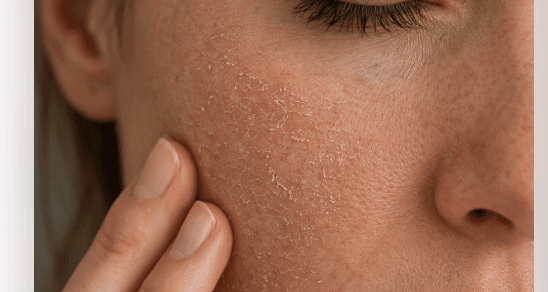
Skin dryness, medically known as xerosis, is a common skin problem that can affect many areas of the body and becomes particularly noticeable in regions such as the hands, arms, and legs. In many cases, it can be easily controlled with appropriate lifestyle measures and regular use of moisturizers. However, in some instances, dryness may be a sign of an underlying health issue and may require professional medical evaluation.
What is Skin Dryness?
Skin dryness is a condition that develops due to insufficient water and oil in the outermost layer of the skin—the epidermis. It occurs in both women and men but is especially common in elderly individuals. Areas such as the elbows, hands, legs, and lips are more susceptible to dryness due to environmental and physiological factors.
What are the Main Causes of Skin Dryness?
The skin needs the right conditions to remain healthy and moist. Today, the main factors that can trigger skin dryness can be listed as follows:
Environmental conditions: Air with low humidity, especially during cold winter months, increases water loss from the skin and creates a feeling of dryness.
Heating systems: Radiators, fireplaces, and other heaters can dry out the air in your environment, leading to moisture loss in the skin.
Hot baths and showers: Prolonged exposure to hot water or swimming in pools with high chlorine content can strip the skin of its natural oils.
Soaps and detergents: Harsh cleaning products dissolve the skin's protective oil layer, paving the way for dryness.
Insufficient fluid intake: Lack of daily water consumption negatively affects the skin's moisture balance.
Medical conditions and medications: Eczema (atopic dermatitis), psoriasis, and the use of certain medications can also cause skin dryness.
Dryness of the skin may sometimes appear as a symptom of different types of dermatitis.
The most prominent types of dermatitis are as follows:
Contact dermatitis: A local inflammation that occurs when the skin encounters an irritating or allergic substance. Contact with cleaning agents or allergens such as nickel can be a trigger.
Seborrheic dermatitis: Characterized by excessive oil production in the skin, it can manifest as red, scaly lesions especially on the scalp, face, and chest.
Atopic dermatitis: A condition often seen in children and those with a genetic predisposition, characterized by chronic dryness and itching of the skin.
Who is More Prone to Skin Dryness?
Skin dryness can occur at any age and in any individual. However, some groups are at higher risk:
Advanced age: As age increases, oil production in the skin decreases, which increases dryness.
Family history of skin diseases: Those with eczema or allergic skin diseases are at higher risk of dryness.
Occupational groups: Those who frequently come into contact with water and chemicals (for example, healthcare workers, hairdressers) are more prone to dryness.
Bathing habits: Complaints of dryness increase in those who bathe very frequently and with very hot water.
Living in dry and cold climates: In low-humidity environments, the skin can dry out more quickly.
What are the Typical Symptoms of Skin Dryness?
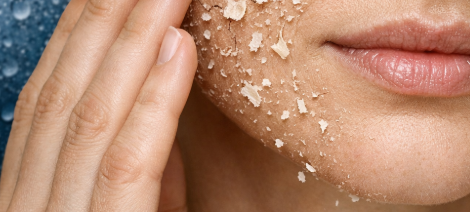
Although the symptoms of skin dryness may vary from person to person and according to environmental factors, the most common symptoms are as follows:
A feeling of tightness in the skin after bathing or swimming,
Dull and rough texture,
Itching,
Flaking and peeling,
Fine cracks or lines,
Redness and sometimes rashes,
Occasional bleeding in deep cracks.
Generally, these complaints are mild and can improve with simple measures taken at home. However, it is important to seek medical support in the following situations:
If skin dryness does not resolve despite all measures taken at home,
If redness, rash, or open wounds develop in the area of dryness,
If itching negatively affects daily life and especially sleep patterns,
If cracks become infected or spread over large areas.
Which Areas are Most Affected by Skin Dryness?
Although skin dryness can be seen almost anywhere on the body, some areas are more affected due to environmental and mechanical factors:
Elbows: These areas may thicken and dry out due to friction and cold weather.
Hands: Frequent contact with cleaning products or water can cause dryness and cracking of the hands.
Eyelids: Makeup removers containing alcohol and harsh chemicals can cause sensitivity and dryness in this area.
Lips: Cold weather and insufficient water intake can cause dryness and sometimes cracking of the lips.
What Can You Do to Reduce Skin Dryness?
The main measures that can be taken to alleviate and prevent the recurrence of skin dryness can be listed as follows:
Pay attention to regular use of moisturizers: Products containing hyaluronic acid, glycerin, or natural oils are beneficial for the skin.
Increase daily water intake: Lack of water in the body directly affects skin health.
Prefer lukewarm water and short baths/showers: Very hot water disrupts the skin's natural oil balance; if possible, keep bath time under 10 minutes.
Choose skin-friendly cleansers: Prefer pH-balanced, fragrance-free, and moisturizing soaps and shower gels.
Protect hands and skin: Using gloves during cleaning or in cold weather can be protective.
Protect the skin from weather conditions: Do not neglect to use hats, scarves, and gloves when going outside in winter.
Try to increase indoor humidity: If necessary, humidifiers can be used.
Points to Consider in Skin Care
Dryness of the skin is usually easily controlled with lifestyle changes and regular care. However, persistent, spreading, or unrelieved dryness despite soothing measures may be a sign of a serious health problem. In such cases, it is necessary to consult a dermatologist.
Frequently Asked Questions
1. What is skin dryness?
Skin dryness is a condition in which the surface of the skin does not contain enough water and oil. This condition usually develops due to environmental or lifestyle factors.
2. Is skin dryness contagious?
No, skin dryness is not contagious.
3. Why does my skin get drier in winter?
Low humidity and cold weather during winter months increase water loss from the skin. In addition, the use of heaters can further dry out indoor air.
4. Which moisturizer is more effective?
Moisturizers containing hyaluronic acid, glycerin, or natural oils suitable for your skin type are generally a good choice. Products that are fragrance-free and alcohol-free are suitable for sensitive skin.
5. What diseases can skin dryness be a symptom of?
In addition to skin conditions such as eczema, seborrheic dermatitis, and psoriasis, it can also be a symptom of some systemic diseases. It is beneficial to consult a doctor in cases of severe or persistent dryness.
6. Does daily water intake affect skin health?
Drinking regular and sufficient water helps maintain the skin's natural moisture balance.
7. Does frequent bathing dry out the skin?
Yes, frequent and hot water baths increase natural oil loss and can lead to dryness.
8. Why does skin dryness occur in children?
In children, skin dryness can be seen due to atopic dermatitis, cold weather, and frequent bathing.
9. What should be done to prevent dryness on the hands?
During cleaningWearing gloves during cleaning and regularly moisturizing the hands reduces the formation of dryness on the hands.
10. What are the ways to prevent lip dryness?
Consuming sufficient water and using a protective lip balm can prevent cracking and dryness on the lips.
11. In which situation should I consult a doctor?
If dryness does not resolve despite home measures, if wounds develop on the skin, or if you have severe itching, it is recommended to consult a dermatologist.
12. What should I use to cleanse my skin instead of soap?
Using gentle cleansers that do not irritate the skin and contain moisturizers is a better option.
References
World Health Organization (WHO): Skin Conditions
American Academy of Dermatology: Dry Skin: Overview
Mayo Clinic: Dry skin
British Association of Dermatologists: Patient Information Leaflets – Dry Skin
European Academy of Dermatology and Venereology (EADV) Recommendations