Itching in the Body: Causes, Symptoms, and Management Strategies

What is Itching?
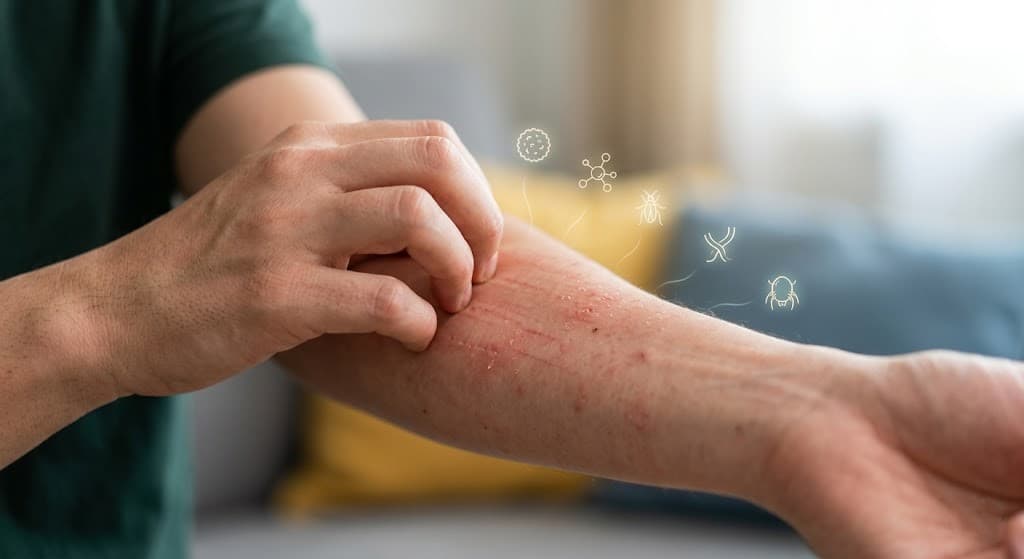
Itching, medically known as "pruritus," is a common complaint that can occur in any part or the entirety of the body. Although it is often mild and temporary, in some cases it can become severe and persistent enough to negatively affect daily life. While it is generally associated with a skin problem, it may also appear as a symptom of many different diseases or conditions. Therefore, it is extremely important to understand the characteristics of itching and to seek expert support in order to establish an appropriate management plan.
What is the Sensation of Itching? How is it Noticed?
Itching creates a sensation that can manifest as discomfort, burning, or stinging in the skin. At times, it can be as disturbing as pain and can significantly reduce a person's quality of life. Persistent itching may lead to various negative consequences, ranging from sleep problems to skin injuries, social withdrawal, and psychological distress. Accompanying symptoms such as swelling, redness, or rash on the skin can provide clues about the underlying cause.
What are the Possible Causes of Itching?
The causes of itching span a very wide spectrum. The most common situations include skin diseases, allergic reactions, parasitic infections, fungal infections, hormonal imbalances, kidney or liver disorders, thyroid diseases, stress, and psychological factors. In addition, side effects of some medications, anemia, systemic diseases (e.g., diabetes, blood disorders, certain cancers), and environmental factors can also cause itching.
The Relationship Between Skin Diseases and Itching
Itching is most frequently seen as a symptom of skin diseases. Dryness, eczema (dermatitis), urticaria (hives), fungal infections, and parasitic infestations (such as scabies) are typical causes of intense itching on the skin.
Skin Dryness (Xerosis): Usually seen on the hands, arms, and legs, accompanied by flaking and cracking. Cold or dry climates, frequent washing with hot water, and insufficient fluid intake can trigger skin dryness.
Eczema: A chronic skin disease characterized by itching, redness, and sometimes blistering lesions.
Scabies: An infectious infestation caused by the mite Sarcoptes scabiei, characterized by intense itching that increases especially at night.
Urticaria: A condition with sudden onset of swelling and redness on the skin, which may resolve quickly but is accompanied by very itchy rashes.
The Connection Between Internal Organ Diseases and Itching
Itching is not only due to skin problems; it can also occur in kidney, liver, thyroid, blood, and other internal organ diseases.
Kidney Disorders: In kidney dysfunction (especially chronic kidney failure), widespread itching may develop on the skin.
Liver Diseases: Jaundice, cirrhosis, and bile duct obstructions can cause itching along with yellowing of the skin and eyes.
Thyroid Disorders: Both underactive (hypothyroidism) and overactive (hyperthyroidism) thyroid can cause itching. Especially with thyroid disorders, symptoms such as palpitations, weight changes, and hair loss may also be present.
Diabetes and Blood Diseases: Widespread or localized itching may occur in diabetic patients and individuals with certain blood diseases.
Symptoms of Itching and Situations to Watch For
The intensity, duration, time of onset (for example, itching that increases at night), and accompanying symptoms are important in evaluation. Additional findings such as yellowing or redness of the eyes or skin, unexplained weight loss, palpitations, fatigue, swelling, or redness may suggest underlying diseases.
Nervous (Neurogenic) and Psychogenic Itching
In some cases, the cause of itching may be related to the nervous system. Itching that occurs in a specific area, combined with a burning or irritation sensation, and often triggered by stress and anxiety, is evaluated as psychogenic or neurogenic itching. Sleep problems are also common.
How is Itching Diagnosed?
The first step in understanding the cause of itching is a detailed inquiry of complaints and a physical examination. If necessary, the following tests may be requested:
Complete blood count (for hematological diseases)
Iron and vitamin levels
Liver, kidney, and thyroid function tests
Allergy tests (especially if an allergic condition is suspected)
Chest X-ray (especially in cases of accompanying lymph node enlargement or unexplained itching)
Other necessary laboratory and imaging studies
It is recommended that everyone presenting with itching first consult a physician. Since it may sometimes take time to make a diagnosis based on the cause, it will be beneficial to be patient and carefully follow the recommendations.
How is Itching Managed and Treated?
The most important step in the treatment of itching is to identify the underlying condition causing the itching. The success of treatment is directly related to correctly identifying and eliminating the cause. General approaches are as follows:
Allergic Itching: If the cause is allergy, antihistamine medications recommended by the doctor and, if necessary, creams (topical agents) applied to the itchy area can be used.
Approaches for Skin Diseases: Regular use of protective and moisturizing products for the skin, choosing appropriate soaps and cosmetic products, and wearing natural and comfortable clothing are important precautions.
Corticosteroid or Other Medical Creams/Ointments: Medications that can be used for skin diseases upon doctor's recommendation; caution should be exercised regarding side effects.
Systemic Treatments: In some cases, antidepressants or other systemic medications may be used.
Phototherapy (Light Therapy): Especially in chronic itching, it can be applied upon dermatologist's recommendation.
Psychogenic Itching: Stress management, psychological support, and psychiatric treatment if necessary are important.
Simple Precautions That Can Be Taken at Home
Avoiding substances and irritating fabrics that trigger itching,
Using gentle, fragrance-free, and hypoallergenic moisturizers,
Avoiding bathing with excessively hot water, taking lukewarm showers,
Avoiding frequent scratching of the skin, keeping nails short, and using gloves at night if necessary,
Maintaining the humidity balance of the environment (using a humidifier may be helpful),
Choosing light and cool clothing,
Benefiting from methods such as meditation, yoga, or counseling to manage stress,
Paying attention to sleep hygiene.
Long-Term Consequences and Complications of Itching
Severe or prolonged itching (usually those lasting longer than six weeks) can lead to significant deterioration in quality of life. Constant scratching can cause skin injuries, infection, and scar formation. In addition, sleep disruption and stress can negatively affect daily life.
The Importance of Expert Support
Although itching is sometimes perceived as a trivial problem, it can occasionally be the first sign of serious diseases. Therefore, especially in cases of long-lasting, widespread, or itching accompanied by other symptoms, consulting a physician is of great importance.
Frequently Asked Questions
1. What can be done at home for body itching?
To relieve itching at home, it may be helpful to keep the skin moist, avoid excessively hot showers, use moisturizers that do not contain fragrance or chemicals, manage stress, and avoid triggering clothing. However, if symptoms persist, a doctor should definitely be consulted.
2. What diseases can itching be a symptom of?
Itching may be a symptom of skin diseases, allergic reactions, kidney and liver disorders, thyroid disorders, diabetes, blood diseases, certain canceIt may be a symptom of a wide range of diseases such as those mentioned above.
3. What are the causes of itching that occurs at night?
Itching that increases at night can develop due to many reasons such as scabies, eczema, liver or kidney diseases, allergic reactions, and stress. Especially if nighttime itching is prolonged and severe, it is necessary to consult a physician.
4. How is allergic itching treated?
It is important to identify the cause in cases of allergic itching. Antihistamine medications and topical creams may be used upon the doctor's recommendation. Lifestyle changes should be made when necessary.
5. In which situations should one see a doctor for itching?
If the itching is prolonged (does not resolve within a few weeks), increases at night, is accompanied by other symptoms (fever, weight loss, jaundice, rash, fatigue), or seriously affects social life, it is necessary to consult a specialist.
6. Can itching be dangerous in children?
In children, itching usually occurs due to skin diseases, allergies, or parasites. If the itching is widespread, severe, or leads to wounds on the skin, a pediatrician should be consulted.
7. Does constant scratching damage the skin?
Yes, continuous scratching can irritate the skin and cause wounds; this increases the risk of infection and scar formation.
8. Is there a relationship between itching and stress?
Stress can itself be a triggering or aggravating factor for itching. Therefore, stress management is an important part of chronic itch treatment.
9. Is pruritus contagious?
Itching itself is not contagious; however, some causes such as scabies (for example, parasitic infestations) are infections that can be transmitted from person to person.
10. What should be done in case of eye itching?
Eye itching is often caused by allergies or infections. Instead of using eye drops or medication without knowing the cause, it is important to consult an ophthalmologist.
11. Which tests help determine the cause of itching?
Complete blood count, liver, kidney and thyroid function tests, allergy tests, and in some cases imaging methods can help in diagnosis. If the itching is distinct, long-lasting, and resistant, further investigations may be required.
12. When are topical or systemic medications used for itching?
Creams, ointments, or oral medications are chosen based on your doctor's assessment of the cause and severity of the itching. Avoid self-medicating.
13. How is neurogenic (neurological) itching recognized?
If there are no other findings on the skin, the itching is localized and accompanied by burning or irritation, and is triggered by stress or anxiety, neurogenic itching may be suspected. In this case, it is recommended to consult a specialist physician.
14. What should be done if there are findings such as swelling or rash along with itching?
In this case, the healthiest approach is to consult a dermatologist to determine the treatment and identify the underlying cause.
15. What should be done if itching does not resolve despite home treatments?
If there is no relief despite home remedies or if new symptoms develop, professional medical support should be sought without delay.
References
World Health Organization (WHO), "Itch (Pruritus) – Key Facts and Global Perspectives"
U.S. Centers for Disease Control and Prevention (CDC), "Itchy Skin – Causes and Management"
European Academy of Dermatology and Venereology (EADV), "Clinical Practice Guidelines for Itch"
American Academy of Dermatology (AAD), "Pruritus: Look Beyond the Surface"
Mayo Clinic, "Itchy Skin: Causes, Diagnosis, and Treatment"