Heart Attack: Definition, Symptoms, and Intervention Methods

.jpg&w=3840&q=75)
What is a Heart Attack and How Does it Develop?
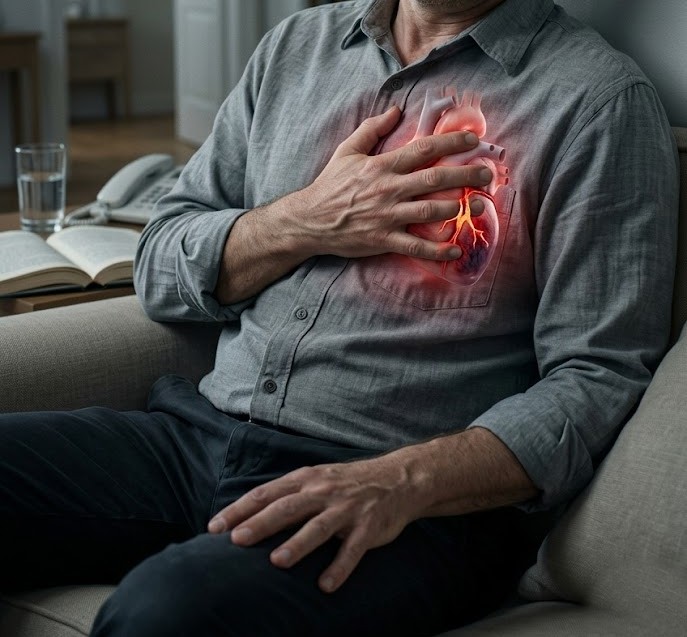
A heart attack, medically known as "myocardial infarction," is a life-threatening health problem that occurs when a sudden blockage or severe narrowing in the coronary arteries that supply the heart prevents enough oxygenated blood from reaching the heart muscle tissue. The sudden interruption of oxygen and nutrient flow can cause irreversible cell damage in the heart muscle within minutes. This condition usually arises as fatty substances, cholesterol, and similar materials accumulate on the vessel walls over time, forming what is called "plaque," which narrows the vessel or causes cracks in the vessel wall, leading to clot formation. If early and appropriate intervention does not occur, the heart's pumping ability decreases during this process, and heart failure may develop in the future.
Heart attack is one of the leading causes of death worldwide and requires rapid medical intervention. Studies show that failure to treat a heart attack in a timely manner can lead to serious and permanent heart damage.
What Are the Symptoms of a Heart Attack?
Heart attack symptoms can vary from person to person. However, the following symptoms are among the most common warning signs:
Chest pain, usually described as crushing or squeezing; this feeling is described as pressure or heaviness in the chest wall.
Pain or discomfort radiating to the left arm, neck, shoulders, back, abdomen, or jaw.
Shortness of breath and difficulty breathing.
Cold sweating, sudden episodes of sweating.
Palpitations or irregular heartbeats.
Dizziness, lightheadedness, or feeling faint.
Nausea, heartburn, indigestion, and digestive complaints such as cough.
Sudden fatigue, weakness, especially fatigue that occurs without exertion.
Swelling in the legs or feet.
Rapid, irregular, and strong heartbeats.
Unexplained discomfort in the chest or upper part of the body.
Heart Attack Symptoms in Women
In women, heart attack findings may occur even without the classic chest pain symptom. Some different findings more commonly seen in women include:
Prolonged and unexplained weakness,
Sleep problems and anxiety attacks,
Pain in the upper back, shoulder, or lower abdominal region,
Nausea, indigestion, and shortness of breath.
It should be remembered that women may experience atypical, that is, unusual, symptoms of a heart attack.
Symptoms of Heart Attack During Sleep
A heart attack can sometimes develop during sleep and progress unnoticed. The following symptoms may occur in heart attacks that develop during sleep:
Waking up with a feeling of discomfort and tightness in the chest,
Unexplained palpitations,
Cold sweating and sweating episodes,
Pain radiating to the neck or shoulder area,
Dizziness and sudden weakness.
What Are the Main Factors Causing Heart Attack?
A heart attack usually occurs as a result of blockage developing in one or more of the coronary arteries. The main causes of this blockage are as follows:
Atherosclerosis (hardening of the arteries): Fat and cholesterol plaques accumulating in the vessel over time can block the vessel.
Use of cigarettes and tobacco products: The risk of heart attack increases significantly in individuals who smoke.
High cholesterol level, especially excess LDL ("bad" cholesterol).
Diabetes: Reduces the elasticity of the vessel wall and causes vascular damage.
High blood pressure (hypertension).
Obesity and insufficient physical activity.
Genetic predisposition: Family history of heart disease or heart attack.
Age: Advanced age increases the risk of deterioration in vascular health.
Decrease in protective estrogen hormone in postmenopausal women.
High levels of inflammation markers in the blood (e.g., C-reactive protein, homocysteine).
In addition, acute situations such as sudden stress, intense physical activity, tears in the inner wall of the vessel, or clot formation can also be triggers.
What Are the Types of Heart Attack?
Medically, heart attacks are divided into different subtypes:
STEMI (ST Segment Elevation Myocardial Infarction): Serious damage occurs in a large area of the heart muscle due to complete blockage of the coronary artery, and significant changes are seen on ECG.
NSTEMI (Non-ST Segment Elevation Myocardial Infarction): Instead of complete blockage, there is severe narrowing in the coronary vessel, but the classic ST elevation may not be seen on ECG.
Coronary spasm (Unstable angina): Occurs due to temporary spasms in the coronary arteries. It is usually shorter and temporary, but needs careful evaluation.
How is Heart Attack Diagnosed?
In patients suspected of having a heart attack, the diagnostic process should be conducted quickly and meticulously. Typical diagnostic tools include:
Electrocardiography (ECG): Evaluates the electrical activity of the heart and can detect changes specific to a heart attack.
Blood tests: Especially the levels of enzymes and proteins indicating heart damage, such as troponin, are measured.
Imaging methods: Echocardiography (ECHO), chest X-ray, and sometimes computed tomography (CT) or magnetic resonance imaging (MRI) may be used.
Coronary angiography: Precisely shows the location and severity of the blockage. It can also be used for treatment.
What Should Be Done During a Heart Attack?
When heart attack symptoms begin, acting without delay is vital. The following steps are recommended:
If chest pain, shortness of breath, sudden fatigue, nausea, or pain radiating to the left arm is felt, emergency health services should be contacted immediately (call emergency services).
The person should sit down without physically straining themselves and try to remain calm.
If alone, they should ask for help from a relative or keep the door open so that health teams can reach quickly.
It is best to act according to previous medical advice and wait for the guidance of professional health teams.
One should definitely avoid taking medication on their own, exerting physical effort, or ignoring the symptoms by thinking "maybe it will pass."
Heart Attack Treatment: What Approaches Are Used?
A heart attack requires emergency evaluation and rapid treatment. The steps taken in the early period determine the extent of heart damage. General approaches in treatment are as follows:
Vasodilator drugs and blood thinners are administered in a short time.
If a blockage is detected by coronary angiography, the vessel is opened with "angioplasty" (balloon procedure) or "stent" placement.
In some patients, "bypass surgery" is performed using vessels taken from another part of the body to bypass the blocked area.
All these procedures are planned by a cardiologist and/or cardiovascular surgeon.
After a life-threatening heart attack, long-term medication and lifestyle changes are required. Especially quitting smoking, eating a healthy and balanced diet, exercising, controlling diabetes and blood pressure, and coping with stress reduce the risk.
What Precautions Can Be Taken to Prevent a Heart Attack?
Avoiding tobacco and tobacco products.
Adopting a healthy, balanced diet; avoiding processed foods, excessive fat, and salt intake.
Engaging in regular physical activity (at least 150 minutes of moderate exercise per week is recommended).
Body weighto keep it under control.
To regularly monitor blood pressure, blood sugar, and cholesterol levels.
If necessary, to undergo regular check-ups and physician examinations.
To adhere to the treatment plan for chronic diseases (such as hypertension, diabetes, high cholesterol).
Frequently Asked Questions
Does everyone who has a heart attack experience chest pain?
No, chest pain is a common symptom, but not everyone may experience it. Especially in women, individuals with diabetes, or the elderly, only atypical symptoms such as shortness of breath, fatigue, or stomach problems may be observed.
Is it beneficial to take aspirin during a heart attack?
Aspirin may be beneficial in some patients experiencing a heart attack. However, aspirin use should always be based on medical advice and a doctor's recommendation; it is not advised to take it automatically in every case.
How long do heart attack symptoms last?
Symptoms may last from a few minutes to several hours. Even if complaints subside, the risk of a possible heart attack does not completely disappear. Therefore, medical assistance should be sought as soon as symptoms begin.
Are heart attack and cardiac arrest the same thing?
No, a heart attack (myocardial infarction) is when a part of the heart muscle is deprived of oxygen; cardiac arrest is when the heart completely stops beating. A heart attack can lead to cardiac arrest.
What should be done if you are alone during a heart attack?
Emergency help should be called immediately, support should be sought from someone nearby if necessary, and one should remain calm and still until medical teams arrive.
Why do women experience different symptoms during a heart attack?
In women, heart attacks may present with more atypical (unusual) symptoms due to hormonal and biological differences. Signs such as fatigue, nausea, or back pain may be seen instead of classic findings.
Is there a risk of heart attack in young people?
Yes, although rare, heart attacks can occur in young people due to genetic predisposition, risk factors, or certain medical conditions.
When can normal life be resumed after a heart attack?
During this period, actions should be taken according to the doctor's recommendations, depending on the severity of the heart attack and the treatment provided. Generally, a gradual return to normal life occurs, and regular doctor follow-ups are important.
Which lifestyle changes are effective in reducing risk?
Quitting smoking, eating a healthy diet, exercising regularly, keeping blood pressure and blood sugar levels under control, and learning stress management significantly reduce the risk of heart attack.
What should be done if there is a family history of heart attack?
If you have a family history of heart disease, you should pay extra attention to your lifestyle and have your doctor check-ups more regularly to reduce your risk.
Can stomach complaints be among the symptoms of a heart attack?
Yes, especially in some patients, nausea, indigestion, abdominal pain, or burning may also be a sign of a heart attack.
Does weight change affect the risk of heart attack?
Sudden and unexplained weight gain or loss can trigger heart disease in the long term. It is important to maintain a healthy weight balance.
Can the risk of heart attack be determined with a check-up?
Regular medical examinations and check-up screenings can enable early detection of risk factors for heart attack and help in taking preventive measures.
References
World Health Organization (WHO) - Cardiovascular Diseases
American Heart Association (AHA) – Heart Attack Symptoms and Diagnosis
European Society of Cardiology (ESC) – Acute Coronary Syndromes Guidelines
Centers for Disease Control and Prevention (CDC) – Heart Disease Overview
Recent guidelines and studies published in The Lancet and Journal of the American College of Cardiology