Frequently Asked Questions About the Frankenstein Variant: Characteristics, Symptoms, and Precautionary Measures

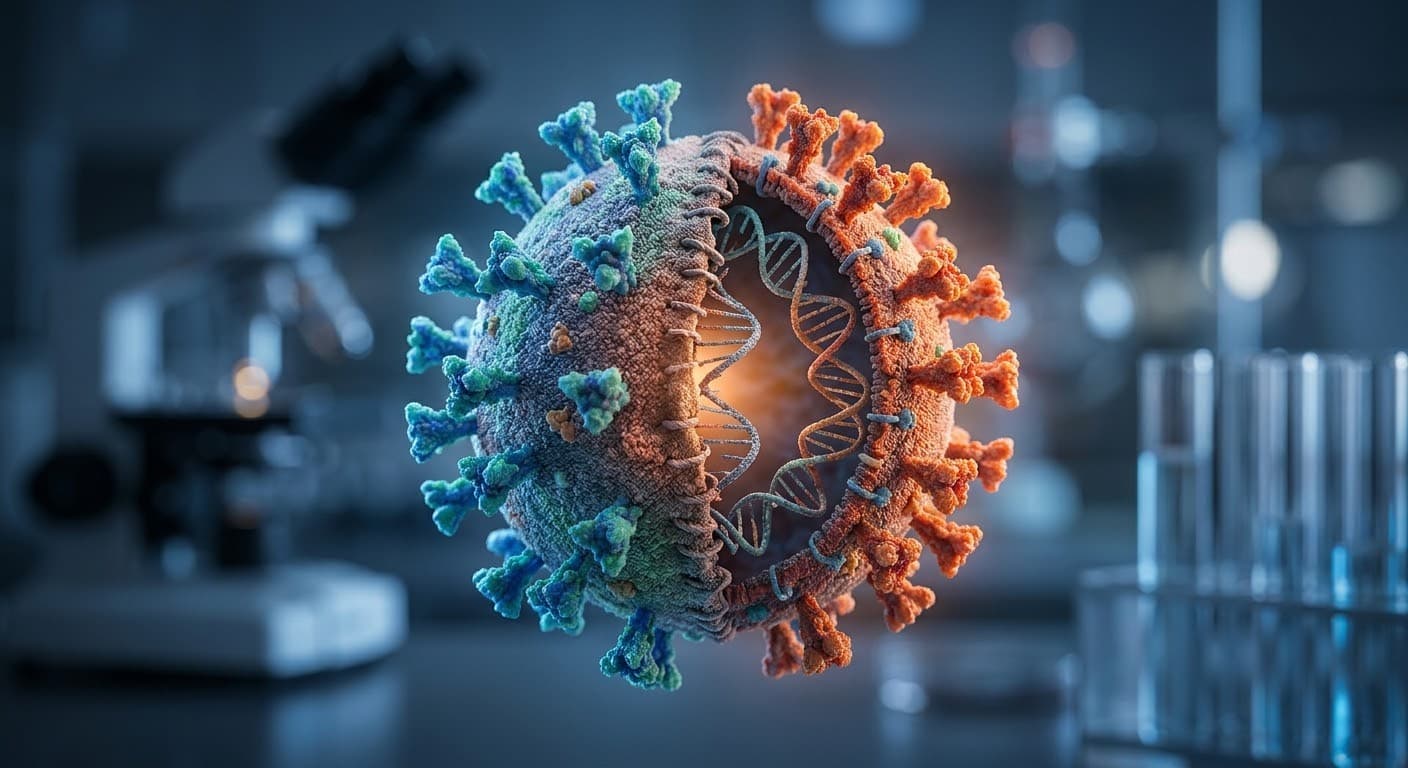
This COVID-19 subvariant, which emerges from the combination of different genetic subtypes and is referred to in the literature as the "Frankenstein variant," is closely monitored by the scientific community due to its diversity in characteristics. In particular, the increase in transmissibility and the potential to evade immunity raise new questions and points that need to be monitored.
What is the Frankenstein Variant?
The Frankenstein variant is a hybrid virus type formed by the genetic combination of different subtypes of the Omicron variant of COVID-19. Unlike traditional mutations, this variant arises through a mechanism called "recombination." Recombination occurs when viruses exchange genetic material in an individual infected with two or more variants at the same time, resulting in the creation of a new subvariant. The term “Frankenstein” in its name refers to the integration of genetic structures from different sources.
Such a combination can lead to changes in certain features of the virus (for example, immune evasion or transmissibility). Scientific studies indicate that the Frankenstein variant may spread rapidly worldwide, but there is no definitive conclusion as to whether it causes severe disease. Close monitoring and evaluation of up-to-date data are of great importance at this point.
What Are the Symptoms Associated with the Frankenstein Variant?
The findings observed in infections related to the Frankenstein variant are mostly similar to the classic course of COVID-19; however, some differences have also been reported. Commonly observed symptoms can be listed as follows:
Sore throat and a feeling of irritation
Hoarseness or changes in voice
High fever
Dry or productive cough
Runny nose
Marked weakness and fatigue
Headache
Loss of appetite or mild digestive problems
While symptoms are mild in some individuals, the disease may progress more seriously, especially in those with weakened immune systems. If severe symptoms such as difficulty breathing, chest pain, or high fever occur, it is recommended to consult a healthcare professional without delay.
How Did the Frankenstein Variant Emerge?
This variant has emerged as a result of the natural evolutionary processes of the SARS-CoV-2 virus. The recombination mechanism observed in the evolution of the virus enables genetic exchange between viruses when different subvariants infect the same person. As a result, a stable and unique combination may develop, which can give rise to new profiles in features such as transmissibility or resistance.
Such variants can be significant in terms of global pandemic management and are closely monitored by scientists and health authorities. On a global scale, monitoring studies on the spread rate and potential impacts of the variant are ongoing.
What Should Be Done When Encountering the Frankenstein Variant?
Currently, there is no specific treatment protocol developed for infection with the Frankenstein variant. The treatment principles followed, as with other COVID-19 variants, focus on alleviating symptoms and the general condition of the patient.
Vaccination and Booster Doses:
It is known that current COVID-19 vaccines continue to be effective in preventing severe disease and hospitalization. Although there is a potential for a slight decrease in protection against some variants, the importance of vaccines remains significant. Health authorities recommend adhering to current vaccination guidelines.
Supportive Treatment:
Symptoms can be controlled with methods such as antipyretics, adequate fluid intake, rest, and supportive treatments for cough. Rather than self-medicating, it is very important to seek medical help if complaints become severe.
Antiviral Drugs:
Scientific studies suggest that current antivirals may also be effective against the Frankenstein variant. However, it is necessary to follow new data and act in accordance with expert recommendations.
Preventive Measures:
Protective methods such as wearing masks, paying attention to hand hygiene, maintaining social distance, and avoiding crowded environments remain effective against both this variant and other respiratory viruses.
Scientific research on the Frankenstein variant is ongoing. Paying attention to individual measures such as personal hygiene and vaccination are fundamental steps in protecting public health. In case of symptoms, it is important to consult healthcare institutions and receive the necessary information.
Frequently Asked Questions
1. What is the Frankenstein variant?
The Frankenstein variant is a hybrid virus variant formed by the genetic combination of certain Omicron subtypes of COVID-19. Through recombination, it may have different effects on the course and transmissibility of the disease.
2. Are the symptoms of the Frankenstein variant different from classic COVID-19?
Although the symptoms are generally similar to classic COVID-19, sometimes additional symptoms such as more pronounced sore throat, voice changes, or fatigue may be observed.
3. Does this variant cause more severe diseases?
According to data obtained so far, there is no definitive evidence that the Frankenstein variant causes more severe disease. However, research is ongoing.
4. Is the Frankenstein variant more contagious?
Various scientific data suggest that this variant may show an increase in transmission rate. Therefore, personal and public health measures should be emphasized.
5. Do current COVID-19 vaccines provide protection against the Frankenstein variant?
Current vaccines are thought to be effective in preventing severe disease and hospitalization. There may be variability in protection between variants, but vaccines are still an important defense tool.
6. Is there a specific treatment?
There is currently no treatment specific to the Frankenstein variant. General COVID-19 treatment approaches are applied in the management of symptoms.
7. In which situations should a doctor be consulted?
In case of shortness of breath, chest pain, high fever, or deterioration of general condition, it is necessary to consult a specialized healthcare institution immediately.
8. How can I protect myself at home?
Wearing a mask, regular hand washing, social distancing, and avoiding crowded environments are the most effective personal measures.
9. Are antiviral drugs effective against this variant?
There is evidence that current antivirals may be effective, but doctor recommendations should be considered in light of new data.
10. What are your recommendations for people with weakened immune systems?
It is important for them to protect themselves better, not to neglect their vaccinations, and to seek medical help early if any symptoms appear.
11. Why is the Frankenstein variant closely monitored?
Due to increased genetic diversity, potential for immune evasion, and transmissibility, scientific communities are carefully monitoring the evolution of the variant.
12. Can this variant be contracted even after vaccination?
Although vaccines do not prevent transmission, they play an important role in preventing severe disease. In vaccinated individuals, infection may progress more mildly.
References
World Health Organization (WHO) – Information on SARS-CoV-2 Variants
US Centers for Disease Control and Prevention (CDC) – COVID-19 Variants
European Centre for Disease Prevention and Control (ECDC) – SARS-CoV-2 Recombinations
Recent COVID-19 variant analyses published in peer-reviewed medical journals such as Nature, Science, and The Lancet
International COVID-19 guidelines and scientific reports