Essential Information About Herpes Zoster (Shingles)

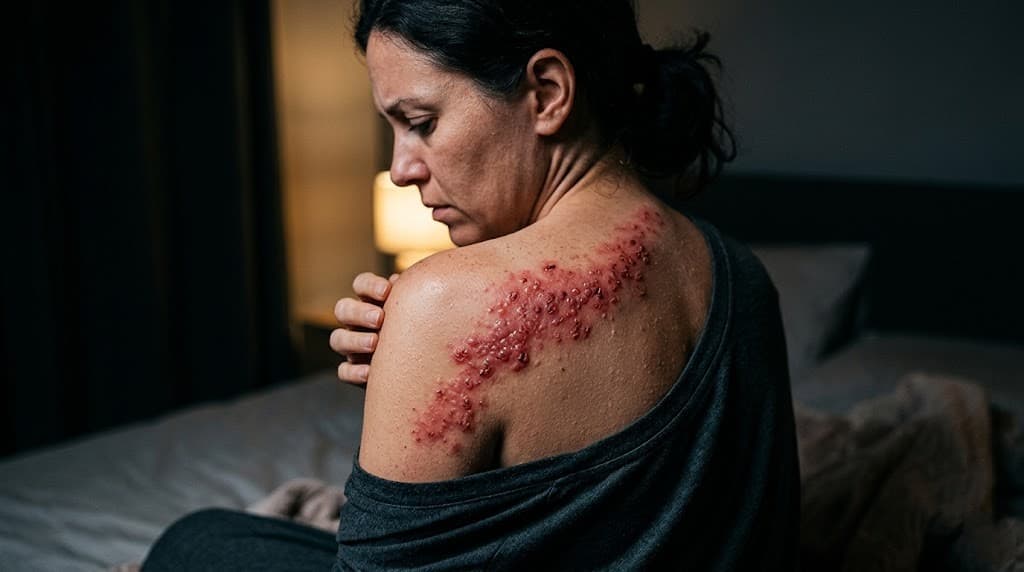
What is Shingles?
Shingles, medically known as herpes zoster, is an infectious disease caused by the Varicella Zoster virus (VZV), typically characterized by painful and blistering skin rashes. This virus can remain dormant in your body after a childhood chickenpox infection. Years later, if the immune system weakens, it can reactivate and cause shingles. The rashes usually affect only one part of the body, often areas such as the chest, back, abdomen, face, or hips. Shingles can cause severe pain, burning, and itching on the skin.
What Are the Symptoms of Shingles?
The onset of shingles usually presents as severe, burning pain on one side. Other symptoms of the disease include:
Burning, tingling, and itching in the area of the rash
Sensitivity and numbness of the skin
Redness, rashes that quickly turn into fluid-filled blisters
Localized pain and a stinging sensation
Sensitivity to light
High fever and headache
General weakness and fatigue
The rashes appear 2–3 days after the initial pain and sensitivity. These rashes may persist for about 10–15 days. Once the rashes crust over, the risk of contagion decreases.
How Does Shingles Occur?
Shingles occurs in people who have previously had chickenpox. This is because the Varicella Zoster virus can remain inactive in the nerve roots after a chickenpox infection. Years later, in situations where the immune system is weakened, the virus can reactivate. Especially:
In individuals aged 60 and over
In people with weakened immune systems (for example; those undergoing cancer treatment, organ transplant recipients, HIV/AIDS patients)
In those experiencing physical or emotional stress
the likelihood of occurrence is higher. Anyone can have shingles at least once in their lifetime, but it rarely recurs. The risk of recurrence increases in those with immune deficiency.
Approaches Followed in the Treatment of Shingles
Currently, there is no definitive treatment that completely eliminates shingles. However, modern medicine offers effective methods to reduce the effects of the disease and prevent complications. The main goals of treatment are to alleviate symptoms and prevent undesirable outcomes.
Antiviral medications, when started within the first 72 hours after the initial symptoms appear, slow the replication of the virus and can shorten the recovery period. Therefore, it is important to consult a dermatologist as soon as possible when the first signs of shingles are noticed.
In some cases, painkillers, topical anesthetic creams or lotions, and skin-softening treatments after bathing may be recommended for pain management. To prevent infection of skin wounds, cleaning with antiseptic solutions is advised, and care of the blisters should be done with sensitivity. If the patient has a high fever, antipyretic medications can also be added to the treatment.
Severe and long-lasting (months or rarely years) nerve pain caused by shingles is called postherpetic neuralgia. Especially in older adults and those with weakened immune systems, additional treatments such as antidepressants, certain neurological medications, and special pain patches may be used for this condition.
Pregnant individuals who encounter a shingles infection should definitely consult their doctor regarding the use of antiviral medications. Especially those receiving immunosuppressive therapy may require intravenous medication administration in the hospital for treatment.
Shingles Without Rash: How Are the Symptoms Recognized?
Shingles without rash, or "herpes zoster sine herpete," is a rare form of the disease. In this case, severe pain, burning, or tingling may occur along the nerve line without the characteristic blisters and rashes on the skin. Even if there is no obvious lesion in the affected area, chronic pain and sensitivity can negatively affect the patient's quality of life. Physician evaluation is very important in the diagnosis of this type of shingles, and pain management can be achieved with medications used in classical shingles treatment.
What You Need to Know About the Contagiousness of Shingles
Shingles is not contagious in people who have previously had chickenpox or have been vaccinated against chickenpox. However, a person who has not had the disease or has not been vaccinated can contract chickenpox if they come into direct contact with the fluid in the rashes of a person with shingles. Shingles spreads through direct contact; therefore, it is recommended that people with active rashes cover the affected areas and reduce the risk of contact. In particular, it is necessary to avoid contact with sensitive groups such as those with weakened immunity, pregnant women, and infants under one month old.
Ways to Prevent Shingles and Vaccine Information
The most effective and proven way to prevent shingles is vaccination. Shingles (herpes zoster) vaccines, which are administered worldwide and approved by the FDA, significantly reduce the incidence and severity of the disease. Vaccination is recommended for adults over the age of 50, and especially after the age of 60 due to the increased risk. The shingles vaccine is different from the chickenpox (varicella) vaccine and is usually administered in 1–2 doses.
Mild side effects (pain at the injection site, redness, mild headache, fatigue) may develop after vaccination. These side effects are usually short-lived; however, if an unexpected symptom develops, a healthcare professional should be consulted.
Points to Consider in Shingles Disease
Keep the rash area dry and clean, and avoid scratching the blisters.
Covering the rashes reduces the risk of transmitting the virus to others. However, it is important to choose coverings that do not come into direct contact with the skin.
Antibiotic creams should not be used on the blisters, as they may delay healing.
Use a soft towel for cleaning and do not share towels with others.
Prefer cotton and comfortable clothing.
Apply ice not directly, but with a cloth in between.
Avoid close contact with people who are not immune, pregnant, newborn, or seriously ill.
Pay attention to hand hygiene in social areas and do not share clothing or personal items.
It is recommended to avoid contact sports until active rashes resolve.
How Long Does Shingles Last and Does It Recur?
Generally, a shingles infection heals on its own within 2–4 weeks. After starting treatment, symptoms usually decrease within 2 weeks. However, especially in older adults and those with suppressed immunity, the recovery period may be prolonged and postherpetic neuralgia may develop. Once a shingles infection has been overcome, recurrence is rare, but it can reappear in immunosuppressed individuals. If your symptoms last longer than expected or if the pain cannot be controlled, it is recommended to consult a healthcare professional.
Frequently Asked Questions
1. Is shingles contagious?
Shingles can be transmitted by direct contact to someone who has not had chickenpox and has not been vaccinated. The fluid in the rashes of an infected person contains active virus; therefore, contact with the rash should be avoided. However, shingles does not spread directly from person to person; transmission occurs as chickenpox through contact.
2. Does shingles recur in everyone?
Most people experience shingles only once in their lifetime. However, the likelihood of recurrence may increase in people with suppressed immune systems.
3. How do I know if I have shingles?
Severe localized pain, burning, tingling at the onset, followed by unilateral rashes, are the most prominent symptoms. Consulting a dermatologist with these complaints is important to confirm the diagnosis.
4. How long does shingles treatment last?
If treatment is started early, symptoms usually improve within 2 weeks.
The total duration of the disease varies between 2–4 weeks.5. Which medications are used for shingles?
Antiviral drugs are the main treatment option. Starting them especially within the first 3 days increases their effectiveness. Painkillers, neuropathic pain medications, and in some cases antidepressants may be used.
6. Can you live in the same house with someone who has shingles?
Yes, but direct contact with the rash area should be avoided and individuals in risk groups (pregnant women, infants, immunocompromised persons) should be protected.
7. Does the vaccine completely prevent shingles?
No vaccine provides 100% protection, but according to current research, shingles vaccines significantly reduce both the likelihood and severity of the disease.
8. Does shingles leave a scar?
After the rash heals, some individuals may experience skin discoloration or mild scarring. Avoiding scratching and proper wound care reduces the risk of scarring.
9. Why does shingles pain last long?
Nerve ending inflammation (postherpetic neuralgia) can cause prolonged and debilitating pain in some individuals. In such cases, appropriate pain management can improve quality of life.
10. Are there side effects of the shingles vaccine?
Mild side effects are usually observed after vaccination (redness, pain, mild fever). These side effects mostly disappear in a short time.
11. Is shingles dangerous during pregnancy?
Although shingles is rare in pregnant women, a physician's evaluation is absolutely necessary for medication treatment. A doctor's opinion should be sought before any intervention in treatment.
12. How is shingles without a rash diagnosed?
Diagnosis may be difficult in the absence of the classic rash. If you have severe, localized pain, it would be beneficial to consult a dermatologist or neurologist.
References
World Health Organization (WHO), "Herpes Zoster (Shingles) – Fact sheets".
Centers for Disease Control and Prevention (CDC), "Shingles (Herpes Zoster)".
American Academy of Dermatology Association, “Shingles: Diagnosis, Treatment, and Prevention”.
Mayo Clinic, "Shingles: Symptoms and Causes".
European Medicines Agency (EMA), "Herpes Zoster vaccines".