Diseases Caused by Abnormal Protein Accumulation in the Brain: Mad Cow Disease and Its Effects on Human Health

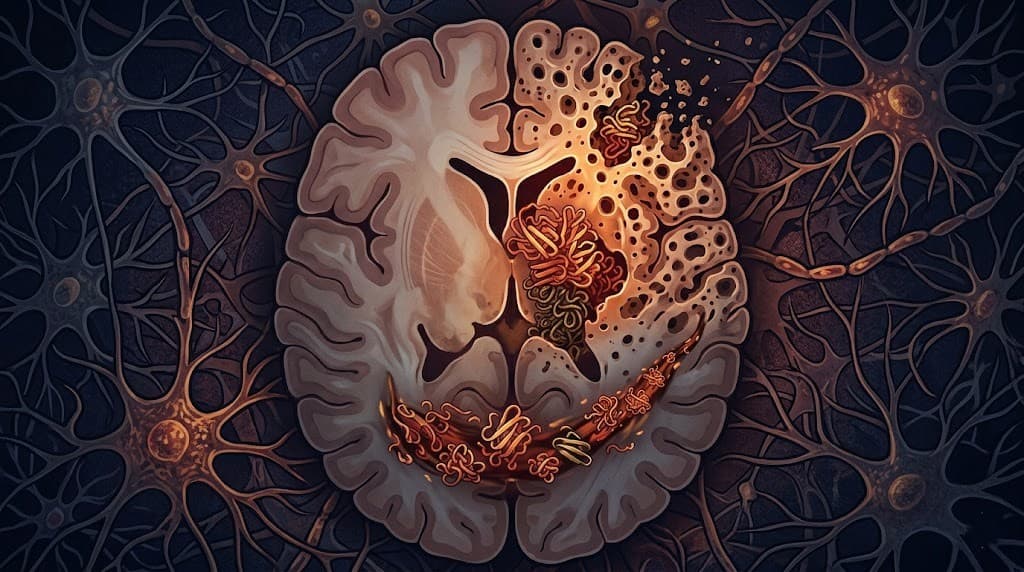
What is Mad Cow Disease?
Diseases caused by abnormal protein accumulation in the brain can lead to serious damage in the central nervous system. Mad cow disease, medically known as "bovine spongiform encephalopathy," is primarily seen in cattle, but it may have a much broader impact than previously thought. Research has shown that Creutzfeldt-Jakob disease (CJD), which occurs in humans, is biologically similar to mad cow disease. Therefore, it is considered a disease that is closely monitored worldwide and is important for both animal and public health.
General Information About Mad Cow Disease
Bovine spongiform encephalopathy is a neurodegenerative disease in cattle that often results in death. Initially thought to be exclusive to animals, over the years it has been found that this condition may be linked to Creutzfeldt-Jakob disease in humans (especially its variant form, vCJD). Many scientific studies indicate that there is a risk of transmission to humans through the consumption of diseased animal tissues, especially nervous tissue. The basis of the disease is the accumulation of abnormal proteins called prions in the brain and some tissues. This accumulation can cause progressive damage to nerve cells, initially leading to subtle symptoms such as behavioral changes or muscle weakness, and later to progressive memory loss and severe cognitive impairment.
Factors Causing Mad Cow Disease
Mad cow disease arises when prion proteins, which are normally harmless, undergo structural changes and become abnormal and toxic. These proteins, called prions, have the ability to replicate themselves and infect other normal proteins in the body by altering their structure. Unlike viruses, prions do not contain genetic material; the disease mechanism begins with the pathological alteration of the three-dimensional structure of our own proteins. When these abnormal prions reach the digestive and immune systems, especially nervous tissue, they accumulate in nerve cells, primarily in the brain, and lay the foundation for serious functional losses. Prion-related diseases are rare but extremely serious problems in both animals and humans. Creutzfeldt-Jakob disease in humans is the most common example of prion diseases. An important distinction is that, unlike infections caused by viruses or bacteria, prion diseases result from the misfolding of the individual's own proteins.
Symptoms That May Be Seen in Mad Cow Disease
Diseases associated with abnormal prion accumulation in the brain generally progress slowly and insidiously. Depending on the type of disease and the characteristics of the prion, symptoms may vary.
Sporadic CJD: This is the most common type. Symptoms usually worsen rapidly and can lead to serious nervous system problems in less than a few months. Early symptoms may include imbalance, difficulty speaking, numbness, tingling sensations, dizziness, and vision problems.
Variant or variable CJD: Psychiatric symptoms are more prominent. Emotional and behavioral changes such as depression, anxiety, social withdrawal, sleep problems, and irritability may be observed. As the disease progresses, rapid neurological function losses may be added.
Familial (Hereditary) CJD: In this form, which arises due to genetic predisposition, symptoms usually begin at an earlier age and may progress more slowly.
In general, as the disease progresses, physical coordination loss, muscle twitching, difficulty swallowing, vision and speech disorders, as well as psychological findings such as memory and attention deficits, confusion, and restlessness may also be observed.
How Is Mad Cow Disease Diagnosed?
Patients presenting with complaints related to the nervous system are usually evaluated by a neurologist. To avoid confusion with other similarly progressing nervous system diseases (e.g., Parkinson's or Alzheimer's disease), a comprehensive examination and tests are required. The following methods may assist in diagnosis:
Detection of structural changes by brain magnetic resonance imaging (MRI)
Evaluation of brain electrical activity by electroencephalography (EEG)
In necessary cases, laboratory examination of a biopsy taken from brain tissue
Because brain biopsy is an invasive procedure, it is generally used only in cases where other diagnostic methods do not yield clear results and differential diagnosis is required.
Management and Treatment Approaches for Mad Cow Disease
Currently, there is no treatment that can definitively eliminate mad cow disease (BSE or vCJD in humans). Existing treatment protocols are aimed at alleviating the patient's symptoms and improving quality of life rather than halting disease progression. Psychiatric counseling and, if necessary, medication may be recommended for symptoms such as developing depression and anxiety. Painkillers can be used for muscle pain and other physical discomforts. As the disease progresses, nutritional and hygiene support may be needed for patients who are unable to care for themselves or meet their daily needs. When swallowing difficulties develop, special medical care and palliative support services related to nutrition become prominent. Palliative care is based on the principle of reducing symptoms in the terminal stages of the disease, facilitating coping with stress, and prioritizing patient comfort.
Evaluation from a Global Perspective
Mad cow disease and related human prion diseases are rare worldwide but are closely monitored for public health reasons. Many countries strictly control the circulation of risky animal products and implement protective measures for public health. In cases of suspected prion disease, it is important for patients' relatives and individuals to seek support from specialized healthcare institutions.
Frequently Asked Questions
1. What is mad cow disease?
Mad cow disease is a fatal neurodegenerative disease that occurs with the accumulation of misfolded proteins called prions in the brain and is essentially seen in cattle. A type seen in humans is Creutzfeldt-Jakob disease.
2. How can mad cow disease be transmitted to humans?
It is thought that the disease can be transmitted to humans through the consumption of products containing the brain or nervous tissue of infected animals. However, the risk of transmission has been reduced by strict control measures in the fields of food and animal husbandry in various countries.
3. What are the symptoms of this disease?
It may initially begin with mild symptoms such as depression, behavioral disorders, muscle weakness, and balance problems. As the disease progresses, coordination loss, vision and speech disorders, memory loss, and severe cognitive impairment may develop.
4. Is Creutzfeldt-Jakob disease the same as mad cow disease?
The variant type (vCJD) of Creutzfeldt-Jakob disease seen in humans is considered a form caused by the prion associated with mad cow disease, but classic CJD and BSE may develop from different sources.
5. Can mad cow disease be treated?
Currently, there is no treatment to stop or eliminate the disease. Treatment consists of supportive care aimed at alleviating symptoms and improving the patient's quality of life.
6. Does mad cow disease threaten everyone?
The disease is very rare and is thought to be particularly associated with the consumption of risky animal foods. The risk of transmission has been significantly reduced by measures taken in many countries.
7. What tests are performed for diagnosis?
Neurological examination, MRI, EEG, and other imaging and brain function tests are generally performed. In some cases, a brain tissue biopsy may be required for definitive diagnosis.
8. PatIs prion disease contagious?
Prion diseases do not easily spread directly from person to person. However, there is a risk of transmission through contaminated tissues and especially medical instruments that come into contact with the nervous system.
9. Does having prion disease in the family increase the risk?
The risk may increase in familial (hereditary) forms. Genetically transmitted prion diseases may start at an earlier age and progress more slowly.
10. How should the patient be cared for?
As the disease progresses, support for personal care, nutrition, and hygiene is needed. It is recommended to seek help from palliative care and specialized teams.
11. What is the global prevalence of BSE and CJD?
They are quite rare diseases, but can lead to very serious consequences. Many countries regularly monitor animal products and food safety.
12. Is it possible to prevent mad cow disease?
The risk of transmission has been greatly reduced by strict control of animal products and feed, and by removing risky animal parts from human food.
13. Should every headache or muscle weakness raise suspicion of prion disease?
No. These symptoms can be seen in many different diseases. It is especially important to consult a doctor if there are rapidly developing neurological disorders and cognitive losses.
14. What is required for a definitive diagnosis?
In most cases, clinical findings, imaging, and laboratory tests are sufficient; however, biopsy may be considered in suspicious cases. Evaluation by a specialist physician is essential.
15. What steps should I take to protect myself from the disease?
It is recommended to follow the advice of health authorities, choose safe foods, and avoid suspicious animal products.
References
World Health Organization (WHO): Prion Diseases
Centers for Disease Control and Prevention (CDC): Bovine Spongiform Encephalopathy (BSE) & Variant Creutzfeldt-Jakob Disease (vCJD)
European Food Safety Authority (EFSA): BSE and prion diseases in animals and humans
Prusiner SB. Prions. Proceedings of the National Academy of Sciences. 1998
United States Food and Drug Administration (FDA): BSE & vCJD Information