Diarrhea: Causes, Symptoms, and Safe Approaches


What is Diarrhea and How Does It Develop?
Diarrhea is a common digestive system problem defined by stools becoming more frequent, loose, and watery than normal. It usually occurs due to infectious agents entering the intestines, food intolerances, or certain digestive system disorders. Since it can rapidly lead to fluid and electrolyte loss in the body, it should be managed carefully, especially in infants, young children, the elderly, and individuals with weakened immune systems.
Diarrhea in children is a frequently encountered condition, but sometimes severe fluid loss (dehydration) may develop. Especially in newborns, signs of dehydration can appear shortly after diarrhea begins; therefore, close monitoring is very important. In infants and young children, decreased urine output, dry mouth, crying without tears, sunken eyes, and irritability may be significant signs of fluid loss.
How to Recognize Severe and Dangerous Diarrhea?
Certain types of diarrhea can rapidly cause serious fluid and electrolyte loss in the body and pose a life-threatening risk. In this scenario, which usually develops due to bacterial toxins such as cholera (Vibrio cholerae), Clostridium difficile, or certain viral and parasitic infections, the intestines cannot reabsorb fluid and the body loses water rapidly. Severe thirst, low blood pressure, weakness, muscle cramps, confusion, and even shock may occur as serious symptoms. In such cases, seeking emergency medical help instead of trying to intervene at home is lifesaving, especially for children, the elderly, and those with chronic illnesses.
What Are the Warning Signs of Dangerous Diarrhea?
The following symptoms may indicate that diarrhea has progressed from an ordinary condition to a more serious situation:
Abdominal bloating, pain, and cramps
Inability to control bowel movements
High fever
Blood or mucus in the stool
Sudden and significant weight loss
Vomiting or nausea
Marked thirst, dry mouth, decreased urine output, and dark-colored urine
Irritability, dizziness, low blood pressure, and changes in consciousness
In infants, findings such as irritability, sunken fontanelle, dry mouth, and fewer wet diapers than normal may be signs of fluid loss. Since infants and young children cannot express their complaints, it is very important for adults responsible for their care to observe carefully.
Types of Diarrhea
Diarrhea is generally classified as follows:
Acute diarrhea: A type of diarrhea with sudden onset, often due to infections, and usually lasting less than a week.
Chronic diarrhea: A condition lasting longer than four weeks and generally associated with chronic causes such as irritable bowel syndrome, celiac disease, or inflammatory bowel diseases.
Secretory diarrhea: Develops as a result of excessive fluid secretion by the intestines; bacterial toxins such as those in cholera may cause it.
Osmotic diarrhea: Occurs when substances remaining unabsorbed in the intestine draw water, as in lactose intolerance.
Fatty (steatorrheic) diarrhea: Due to fat absorption disorders, the stool becomes oily, shiny, and foul-smelling.
What Are the Causes of Diarrhea?
Worldwide, the most common causes of diarrhea in children and adults are viral and bacterial infections. In addition:
Parasitic infections
Foods and drinking water of unknown origin, undercooked or unhygienic
Changes in intestinal flora caused by certain medications, especially antibiotics
Food intolerances (such as lactose or gluten sensitivity)
Chronic intestinal diseases (such as Crohn's disease, ulcerative colitis)
Stress and psychological factors can also affect bowel movements.
What Are the Risks if Diarrhea Is Not Treated?
If timely diagnosis and treatment are not provided when your child has fever, vomiting, and diarrhea symptoms, various risks may develop:
Weakness, loss of appetite, significant decrease in quality of life
Dry mouth, decreased urine output
Loss of consciousness, and in severe cases, coma and death
The severity of dehydration can increase much more rapidly in young children compared to adults. Therefore, it should not be neglected.
Management of Diarrhea in Children and Infants
In children, diarrhea is mostly caused by viruses and antibiotics are generally not needed. The coexistence of diarrhea and vomiting increases the risk of fluid loss. If frequent vomiting, inability to feed, or inability to take fluids is observed in the child, a specialist should definitely be consulted.
How to Provide Fluid Support at Home?
The main goal in mild and moderate diarrhea at home is to replace the lost fluids and minerals. Oral rehydration solutions, which can be obtained from pharmacies and prepared with water, can be safely used for this purpose. According to the child's age, the following is recommended:
Under 2 years: One tea glass after each watery stool
2 years and older: Half or a full water glass
Older children: As much as they can drink
When vomiting increases, it is recommended to give fluids in small but frequent intervals.
How Should Nutrition Be?
Nutrition should not be completely stopped during diarrhea; foods that do not strain the stomach such as bananas, yogurt, rice porridge, boiled potatoes, chicken, fat-free vegetable soups, ayran, and bread should be preferred. Sugary, fried, spicy, or acidic foods should be avoided as they may worsen diarrhea.
Supporting the Intestinal Flora
Some doctors may recommend probiotic supplements or zinc-containing products that support the intestinal flora. The use of these products should always be under the recommendation of a healthcare professional.
Care of Infants with Diarrhea
The most important aspect of treatment in infants with diarrhea is to appropriately replace the lost fluids and minerals. In breastfed infants, breastfeeding should be continued at frequent intervals. Oral rehydration solutions given on the doctor's recommendation can be used. If appropriate for the baby's age, foods such as rice porridge, boiled potatoes, mashed banana, or yogurt can be added. In cases of diarrhea lasting more than three days, fever, or bloody stools, a doctor should definitely be consulted.
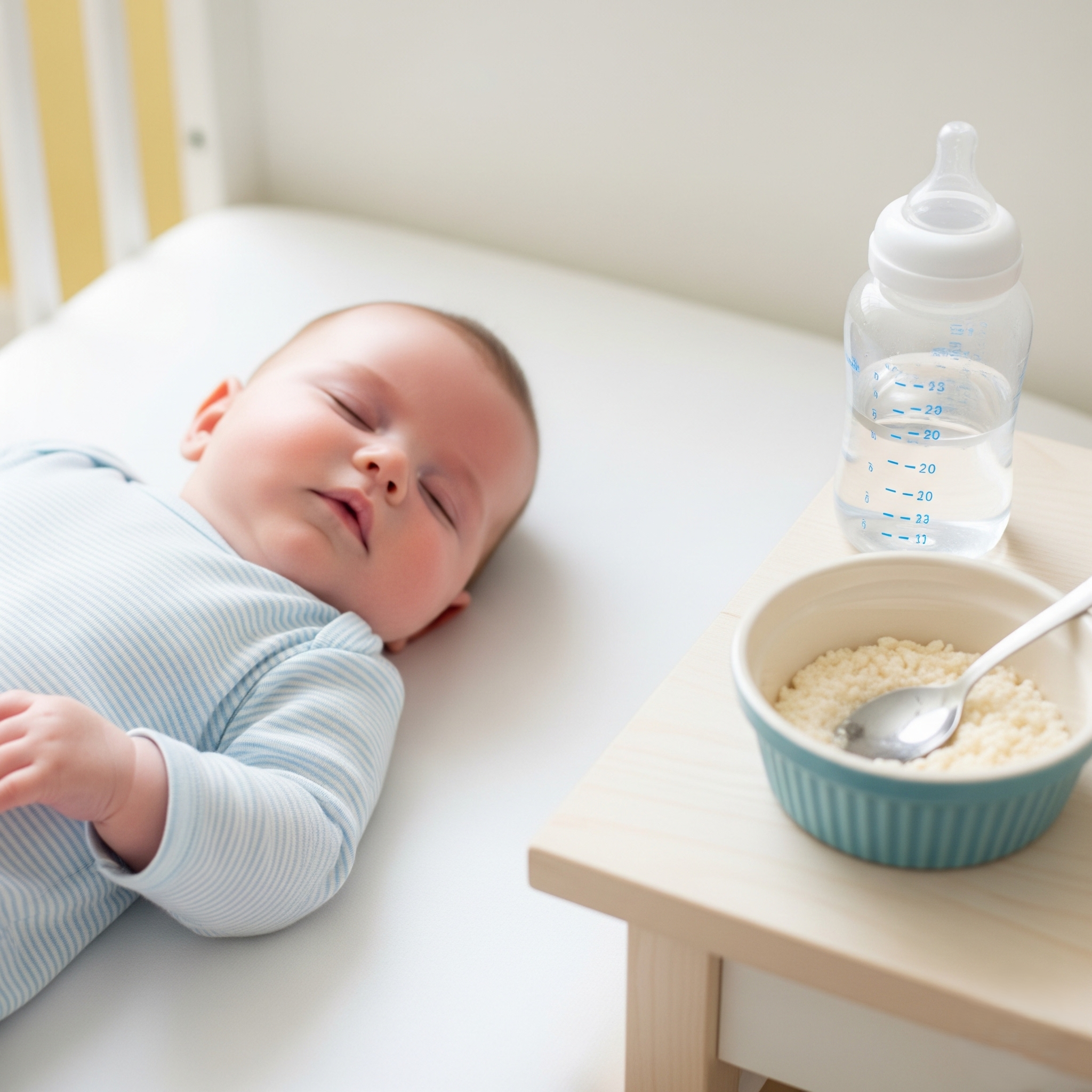
Risk Factors in Diarrheal Disease
The following factors increase the risk of developing diarrhea:
Not breastfeeding (especially in the first 4 months)
Poor hygiene of bottles and pacifiers
Inappropriate food and water preparation/storage conditions
Insufficient environmental hygiene
Weak immune system or chronic diseases
Transmission Routes and Prevention of Diarrhea
Infections are usually transmitted via the fecal-oral route, as well as through unsafe water and undercooked foods. Not storing reheated foods in the refrigerator again, avoiding crowded and potentially unhygienic pools, and avoiding unpasteurized milk and products are important for prevention. Hygiene rules should be followed during food preparation and serving, foods should be cooked adequately and consumed fresh.
When Should You Consult a Doctor?
Medical support should be sought promptly in the following situations:
Frequent and copious watery stools
Inability to drink water or severe exhaustion
Fever above 38°C
Repeated or increasing vomiting
Blood in the stool
Decreased urine output, crying without tears, dry and wrinkled skin
Greater sensitivity should be shown in the elderly, infants, and those with underlying diseases.
Which Methods Are Used in Diagnosis?
In diagnosis, the duration of complaints
Travel history, recently used medications, and dietary habits are evaluated. Depending on the type of diarrhea, stool examinations, laboratory tests, and, if necessary, imaging methods may be used. In chronic diarrhea, advanced investigations may be conducted to explore underlying causes.Treatment Approaches
In sudden onset (acute) diarrhea, the aim is to replace lost fluids and minerals and to maintain the individual's general condition. Antibiotic treatment is necessary only upon a doctor's recommendation and for certain disease agents. Nutrition should be continued and signs of fluid loss should be closely monitored. In severe cases, intravenous fluid therapy may be administered. If a chronic disease is detected, treatment is arranged according to the underlying cause.
Methods of Preventing Diarrhea
Improving hygiene and handwashing habits
Consuming safe, clean water and well-cooked foods
Preferring pasteurized milk and dairy products
Paying attention to foods consumed outdoors, especially in summer
Frequently Asked Questions
1. What is diarrhea and when does it become dangerous?
Diarrhea is when stool becomes watery, loose, and frequent. If high fever, severe thirst, bloody stool, or rapid weight loss occurs, or if a child/infant cannot take fluids due to vomiting, emergency intervention is required.
2. What should be done for diarrhea in infants?
It is important to replace the fluids and minerals lost by the infant, increase the frequency of breastfeeding, and administer oral rehydration solution as recommended by a doctor. In case of severe symptoms, a physician should definitely be consulted.
3. What causes diarrhea in children?
The most common cause in children is viruses (e.g., rotavirus, norovirus). In addition, contaminated water, unhygienic foods, certain antibiotics, and food intolerances can also cause diarrhea.
4. How can diarrhea be prevented?
It is recommended to wash hands frequently, consume safe drinking water and well-cooked foods, and avoid unpasteurized dairy products.
5. How is diarrhea treated at home?
In mild and moderate diarrhea, plenty of fluids should be given to prevent fluid loss and easily digestible foods should be preferred. Probiotic or zinc supplements may be used upon a doctor's recommendation.
6. What are the symptoms of dehydration?
Dryness in the mouth and skin, decreased urination, dark urine, reduced tears, fatigue, and irritability/altered consciousness in children are key indicators of fluid loss.
7. Which foods are beneficial for diarrhea?
Simple carbohydrates and protein sources such as bananas, rice, boiled potatoes, yogurt, ayran, and bread are recommended. Increasing fluid intake is important for both children and adults.
8. Can antibiotics cause diarrhea?
Yes, some antibiotics can disrupt the intestinal flora and cause diarrhea. Antibiotics should not be used without a doctor's recommendation.
9. When should I consult a doctor?
In cases of severe diarrhea, vomiting, high fever, bloody stool, inability to take fluids, and signs of dehydration, a healthcare facility should definitely be consulted.
10. What is chronic diarrhea and in which diseases is it seen?
Diarrhea lasting longer than four weeks is considered "chronic" and is mostly associated with conditions such as irritable bowel syndrome, celiac disease, or inflammatory bowel diseases.
11. Are probiotics beneficial for diarrhea?
According to some studies, probiotics may help shorten the duration of acute diarrhea and support intestinal flora; however, their use should always be consulted with a specialist.
12. How can I tell if diarrhea is contagious?
Many infection-related diarrheas (for example, rota or norovirus) are contagious. Hand hygiene and not sharing personal items are important.
13. Which medications can cause diarrhea?
The most common are antibiotics, some stomach medications, and chemotherapy drugs; always consult your physician before discontinuing any medication.
14. How much water should be consumed in cases of fluid loss?
Loss should be replaced with water and prepared oral rehydration solutions. The appropriate amount per hour or per stool can be specified by your pediatrician.
15. When should feeding be interrupted in diarrhea?
In general, interrupting feeding is not recommended. In cases of severe vomiting and inability to take fluids, the feeding regimen should definitely be adjusted under medical supervision.
References
World Health Organization (WHO): Diarrhoeal Disease Fact Sheet
US Centers for Disease Control and Prevention (CDC): Diarrhea – Overview
European Society for Paediatric Gastroenterology, Hepatology and Nutrition (ESPGHAN) Guidelines
The New England Journal of Medicine: Management of Acute Gastroenteritis in Children
American Academy of Pediatrics (AAP): Oral Rehydration Therapy in Infants and Children
All information in this article is based on current clinical guidelines and reliable sources. Always consult a healthcare professional during diagnosis and treatment processes.