Diabetes (Sugar Disease): Symptoms, Causes, and Management

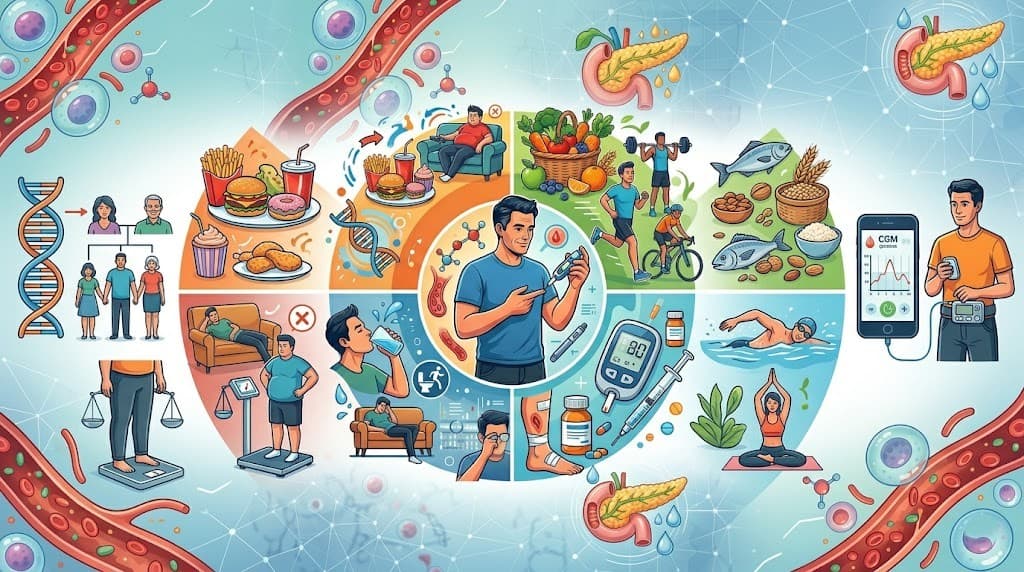
What is Diabetes?
Diabetes, or as it is commonly known, sugar disease, is a chronic metabolic disorder that is rapidly increasing today and paves the way for many serious health problems. Due to its widespread prevalence worldwide, it is considered a significant public health issue. The full name of diabetes, "Diabetes Mellitus," means "sugary urine" in Greek; this naming arises from the presence of sugar in the urine of individuals with the disease, which is not normally found. In healthy adults, fasting blood sugar levels are generally in the range of 70-100 mg/dL, and a persistent elevation of this value raises the possibility of a diabetes diagnosis.
Mechanism of Diabetes Development
Diabetes fundamentally arises from the body's inability to produce sufficient insulin hormone or the ineffective use of existing insulin. Insulin is a vital hormone secreted by the organ called the pancreas and enables the transport of sugar in the blood to the tissues. There are many subtypes of diabetes; the most common form is Type 2 diabetes. Type 2 diabetes usually occurs in adulthood, especially after the age of 40. In this type, even though the pancreas produces insulin, the cells develop resistance to insulin and the body cannot carry out sugar metabolism in a healthy manner. As a result, blood sugar rises and can lead to various health problems.
What Are the Symptoms of Diabetes?
Diabetes is a slowly progressing disease, and many people may not notice complaints at first. However, as blood sugar levels rise, various symptoms become apparent:
Frequent urination
Excessive appetite despite not feeling full
Excessive thirst and dry mouth
Sudden weight loss
Fatigue and weakness
Blurred vision
Numbness or tingling in the feet or hands
Slow healing of wounds
Dryness and itching of the skin
Acetone-like odor in the mouth
Not all symptoms may be observed in every individual. When complaints are noticed, it is important to consult a healthcare institution and have blood sugar levels evaluated.
Main Causes of Diabetes
Both genetic and lifestyle-related environmental factors play a role in the emergence of diabetes. The two most common types are Type 1 and Type 2 diabetes. Type 1 diabetes usually begins in childhood or adolescence and is characterized by a significant loss of insulin production by the pancreas. In this case, genetic predisposition, immune system diseases, and some viral infections can damage the pancreas.
Type 2 diabetes, on the other hand, develops mostly in adults under the influence of the following risk factors:
Obesity or excessive weight problem
Family history of diabetes
Low physical activity and sedentary lifestyle
Advanced age
Long-term effects of stress
Gestational diabetes during pregnancy or giving birth to a baby with high birth weight
What Are the Types of Diabetes?
Diabetes is classified into different types:
Type 1 Diabetes: Usually begins at a young age and the body can produce almost no insulin. Insulin injections are mandatory for treatment.
Type 2 Diabetes: Commonly seen in adulthood. Cells become unresponsive to insulin.
Latent Autoimmune Diabetes in Adults (LADA): A type of diabetes with autoimmune origin that starts in adulthood, and insulin is often required in treatment.
Maturity Onset Diabetes of the Young (MODY): A genetically inherited form of diabetes that begins at a young age.
Gestational Diabetes: A type that develops only during pregnancy and may sometimes progress to permanent diabetes.
In addition, the prediabetes (impaired glucose tolerance) period is also important. In this period, blood sugar values are above normal but not sufficient for a definitive diabetes diagnosis. Prediabetes can be controlled with healthy nutrition and lifestyle changes before it progresses to full diabetes.
How Is Diabetes Diagnosed?
The commonly used methods for diagnosing diabetes are as follows:
Fasting blood sugar test values of 126 mg/dL and above suggest diabetes.
In the Oral Glucose Tolerance Test (OGTT), a blood sugar level measured at 2 hours above 200 mg/dL indicates diabetes; a value between 140-199 mg/dL may indicate prediabetes.
The HbA1c test provides information about the average blood sugar over the past three months, and values above 6.5% support the diagnosis of diabetes.
It is important to follow the doctor's instructions to obtain definitive results in tests performed for diagnostic purposes.
The Importance of Nutrition in Diabetes Management
Effective control of diabetes requires a balanced diet. Individuals with diabetes should follow a special diet program tailored to their personal needs in consultation with a nutritionist and their doctor. The basic principles are as follows:
Whole grains, fresh vegetables, and fruits should be prioritized
Foods low in fat and calories but high in nutritional value should be preferred
Portion control and regular meal times should be ensured
Refined sugar and overly processed foods should be avoided
Regular nutrition not only balances blood sugar but also reduces body weight and cardiovascular risk factors. Weight loss in Type 2 diabetes can have a significant positive effect on blood sugar control and the need for medication. In necessary cases, various medical methods (such as gastric balloon, bariatric surgery, etc.) are also used in the fight against obesity; the necessity of these interventions must always be decided by a physician.
Healthy Foods That Individuals with Diabetes Can Consume
Fatty Fish: Salmon, sardines, herring, mackerel, and trout, which are rich in omega-3, are beneficial for cardiovascular health and can be consumed at least twice a week.
Leafy Green Vegetables: Vegetables such as spinach, kale, lettuce, and broccoli contain vitamins and minerals and do not adversely affect blood sugar.
Avocado: Contains healthy monounsaturated fatty acids, is rich in fiber, and should be consumed in controlled amounts.
Eggs: Increase the feeling of fullness and are rich in protein.
Beans and Legumes: Their fiber and protein content helps improve blood sugar balance.
Yogurt: Contains protein and probiotics, supports gut health, and may positively affect glycemic response.
Nuts: Foods such as walnuts and hazelnuts are sources of healthy fats and reduce the risk of heart disease.
Broccoli: A low-calorie, high-fiber, and mineral-rich vegetable.
Olive Oil: Plays a protective role in heart health due to its monounsaturated fat content.
Flaxseed: The omega-3 and fibers it contains help lower cholesterol and contribute to blood sugar control.
What Is Prediabetes and How Is It Recognized?
Prediabetes is an intermediate stage in which blood sugar values are above normal but not high enough for a diabetes diagnosis. This is a process with a high risk of progressing to Type 2 diabetes. Although it often does not cause obvious complaints, small clues such as sweet cravings, sudden fatigue, and drowsiness after meals may be observed. It is detected by fasting and postprandial blood sugar tests. At this stage, progression can be prevented with lifestyle changes.
Which Methods Are Used in Diabetes Treatment?
The treatment process of diabetes varies according to the type of the disease. In Type 1 diabetes, lifelong insulin therapy is required. In addition to this treatment, a personalized nutrition plan is implemented with the help of a specialist dietitian, and in some individuals, flexible doses of insulin can be adjusted using the carbohydrate counting method.
In Type 2 diabetes, lifestyle changes, diet, and physical activity are generally recommended at the first stage. When necessary, the sensitivity of the cells to insulin
Oral medications (oral antidiabetics) that increase insulin sensitivity or support insulin secretion may be used. In some individuals, insulin therapy may be required.During the treatment process, persistently high blood sugar levels over the long term can cause permanent damage to organs such as nerves, kidneys, and eyes; therefore, regular doctor check-ups and monitoring are of great importance.
Frequently Asked Questions
1. How can I reduce my risk of diabetes?
Eating a balanced and regular diet, maintaining weight control, engaging in regular physical activity, and avoiding smoking and excessive alcohol consumption help reduce the risk.
2. Is it possible to prevent the progression from prediabetes to diabetes?
Yes, losing weight, eating healthily, and exercising can prevent or delay the progression of prediabetes to diabetes.
3. Which tests are used to diagnose diabetes?
Laboratory tests such as fasting blood glucose, oral glucose tolerance test (OGTT), and HbA1c are used for diagnosis.
4. Is there a permanent cure for diabetes?
Diabetes is a chronic disease. Although it cannot be completely eliminated, blood sugar can be controlled with effective treatment and complications can be prevented.
5. What are the main differences between Type 1 and Type 2 diabetes?
Type 1 diabetes usually begins in childhood and the body cannot produce any insulin. Type 2 diabetes generally occurs at older ages and the cells are resistant to insulin.
6. Are non-pharmacological methods effective in diabetes treatment?
Diet, exercise, and lifestyle changes are very effective especially in the early stages of Type 2 diabetes; in some cases, medication may also be needed.
7. Can diabetes occur in expectant mothers?
Yes, gestational diabetes that develops during pregnancy exists and requires monitoring and treatment for the health of both the mother and the baby.
8. What are the early signs of diabetes complications?
Numbness in the feet, vision loss, kidney dysfunction, and cardiovascular disorders may indicate complications.
9. Which foods should people with diabetes limit?
It is recommended to restrict refined sugar, foods made with white flour, fried and excessively fatty foods, alcoholic beverages, and salt.
10. How does exercise play a role in the treatment of diabetes?
Regular exercise increases insulin sensitivity, lowers blood sugar, and helps with weight control.
11. How can we improve the quality of life of individuals with diabetes?
Quality of life can be improved with regular medical follow-up, healthy nutrition, stress management, and appropriate physical activity.
12. How often is doctor follow-up required in diabetes?
Although it varies according to individual circumstances, check-ups are generally recommended every 3-6 months. If the risk of complications is high, more frequent monitoring may be necessary.
References
World Health Organization (WHO), Diabetes Mellitus Guidelines
International Diabetes Federation (IDF), Diabetes Atlas
American Diabetes Association (ADA), Standards of Medical Care in Diabetes
Centers for Disease Control and Prevention (CDC), Diabetes Publications
New England Journal of Medicine, Diabetes-Related Research
European Association for the Study of Diabetes (EASD) Guidelines