Cough: Causes, Types, and Effective Approaches

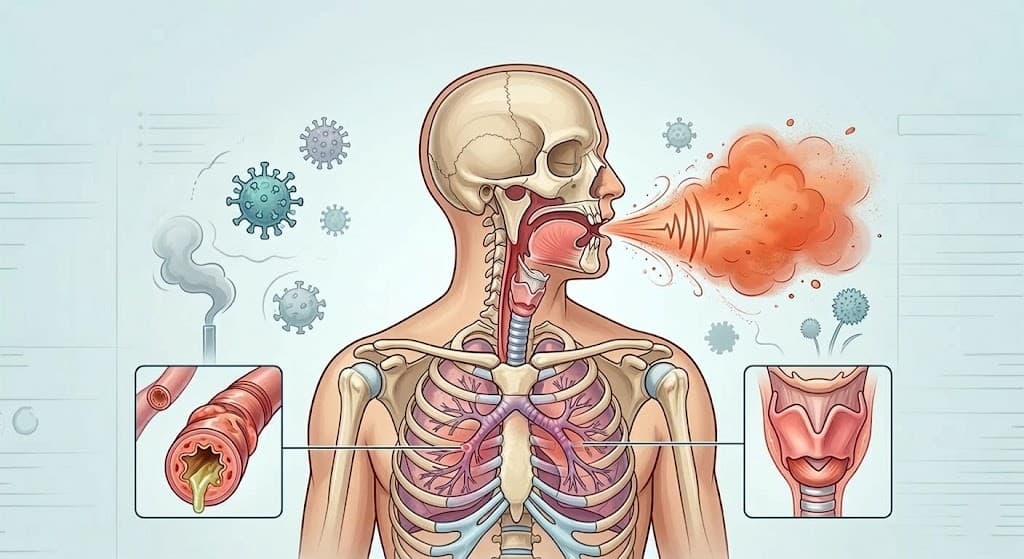
What is Cough?
Cough is a natural reflex that develops to protect the respiratory tract. It occurs when sensitive nerve endings in the throat, larynx, bronchi, and lungs respond to various stimuli. Its main function is to keep the airways open by clearing harmful particles, microbes, or excess mucus from these areas. Short-term coughs are mostly due to temporary infections. However, coughs that last longer than three weeks and do not resolve require medical evaluation, as they may be a sign of an underlying chronic disease.
What are the Types of Cough?
The type and duration of cough are of great importance for identifying the cause and selecting appropriate treatment. Common types of cough include:
Dry Cough
Dry cough occurs without phlegm and usually creates a sensation of itching or irritation in the throat. Viral infections, allergic reactions, and gastric acid reflux are among the most common causes. Persistent dry cough may lead to throat irritation and sleep problems.
Productive (Phlegmy) Cough
In productive cough, the respiratory tract tries to expel excess mucus. It usually develops due to infections, sinusitis, bronchitis, or pneumonia. The color and consistency of the phlegm can provide clues about the underlying disease. Especially if the phlegm is foul-smelling or persistent, it is recommended to consult a doctor.
Chronic and Persistent Cough
A cough that lasts longer than three weeks and becomes persistent may be an indicator of more serious health problems such as asthma, reflux, chronic bronchitis, and environmental irritants. In such cases, further investigation and specialist evaluation are required.
Allergic Cough
This type of cough arises due to the body's sensitivity to allergens. It is mostly dry in character and may be accompanied by other allergic symptoms such as runny nose and sneezing. It may increase depending on exposure to allergens and seasonal changes.
What are the Causes of Cough?
Although cough is mostly a part of the body's defense mechanism, it can develop due to many different conditions. The most common causes include viral and bacterial respiratory tract infections, allergies, air pollution, cigarette smoke, gastric reflux, asthma, and chronic diseases such as COPD. The duration, type, timing of the cough, and accompanying symptoms play an important role in determining the underlying cause.
What Causes Productive (Phlegmy) Cough?
Productive cough is usually a sign of lower or upper respiratory tract infections. The body increases mucus production to clear accumulated microbes and excess mucus. It is frequently seen in diseases such as sinusitis, bronchitis, and pneumonia. Prolonged or foul-smelling phlegm may indicate a more serious problem and should definitely be evaluated by a doctor.
What Causes Dry Cough?
Dry cough usually occurs due to dryness in the throat, allergens, or viral infections. Reflux disease may also be a cause. Especially dry cough that increases at night may result from the upward movement of stomach acid. In cases of persistent and long-lasting dry cough, it is important to evaluate whether there is another serious health problem.
Why Does Cough Occur in Children?
Cough in children is mostly due to upper respiratory tract infections. The immaturity of the immune system makes children more susceptible to infections. In addition, postnasal drip, allergies, and environmental factors can also cause cough in children. In cases of prolonged cough, fever, or cough accompanied by shortness of breath, children should definitely be evaluated by a healthcare professional.
What Causes Persistent or Nighttime Cough?
Cough that lasts for weeks or increases especially at night may be due to causes such as asthma, reflux, chronic lung diseases, or long-term smoking. While lying down, the accumulation of mucus in the throat or the upward movement of stomach acid increases nighttime cough. In individuals with asthma, narrowing of the airways at night may worsen symptoms. If the cough is severe enough to disrupt sleep at night, medical evaluation is essential.
Methods to Help Relieve Cough
Various supportive and soothing practices can be preferred to reduce discomfort caused by cough. However, which method is appropriate depends on the cause and type of cough.
Adequate Fluid Intake
Drinking plenty of fluids is a commonly recommended supportive method for relieving cough. Fluid intake thins the consistency of phlegm and facilitates its expulsion. It also reduces throat dryness and contributes to the healing process of infections.
Humidifying the Environment
Dry air in enclosed spaces can negatively affect the respiratory mucosa and exacerbate cough. Especially during winter months, humidifying the indoor air helps in combating cough both in children and adults.
Adequate and Restful Sleep
During sleep, the body's repair process accelerates and the immune system is strengthened. Poor quality or insufficient sleep at night may cause cough and throat irritation to persist.
Avoiding Irritating Stimuli
Cigarette smoke, strong perfumes, cleaning products, and air pollution can increase sensitivity and cough in the respiratory tract. It will be beneficial to stay in clean, well-ventilated environments as much as possible.
Balanced Rest
Limiting daily activities and paying attention to rest supports the recovery process. Especially in coughs due to infections, resting the body is important.
Preferring Warm Beverages
Extremely hot or cold drinks can irritate the throat mucosa and increase the cough reflex. Instead, warm herbal teas or water can be preferred.
Protection from Cold
Keeping the head and neck areas warm, especially in cold weather, can help prevent throat irritation and reduce cough.
Sitting Upright
To reduce nighttime cough, raising the head of the bed or resting in a semi-upright position can prevent phlegm from accumulating in the throat and allow for easier breathing.
Avoiding Allergens and Dust
For those who suffer from allergic or dry cough, it is important to avoid dust, pollen, and other allergens. Regular ventilation and cleaning of the home environment play a role in controlling symptoms.
Healthy Nutrition
It is recommended to avoid spicy, acidic, and foods that may trigger cough. If additional symptoms such as shortness of breath, fever, or fatigue develop along with cough, a doctor should definitely be consulted.
What Should Be Done for Dry Cough?
To relieve dry cough, it is important to keep the throat moist. Warm beverages, adequate fluid intake, and regulating the humidity of the environment may be beneficial. If complaints persist for a long time, a healthcare professional should be consulted.
Approach to Cough During Pregnancy
During pregnancy, cough may develop mostly due to changes in the immune system, infections, or allergic causes. In treatment, priority should be given to harmless and natural methods for the health of the mother and baby: drinking plenty of fluids, maintaining environmental humidity, good rest, and avoiding irritating environments will be beneficial. If the cough worsens or is accompanied by fever or shortness of breath, medical supervision is essential.
What Is Helpful for Productive (Phlegmy) Cough?
To facilitate the expulsion of phlegm, fluid intake should be increased and the ambient air should be kept humid. It is necessary to avoid tobacco smoke and similar irritants. Persistent, fever-associated, or constantly recurring in cases of productive cough, specialist evaluation is required to determine the cause.
Points to Consider in Children's Cough
For alleviating cough in children, rest and adequate fluid intake are emphasized. It is recommended that the environment be humid. Medication should not be used without a physician's recommendation, and in cases of prolonged cough or when additional symptoms develop, a doctor should definitely be consulted.
Cough Management in Infants
In infant cough, nasal cleaning, environmental humidity, and regular observation are important. If feeding is impaired or if there is frequent and severe coughing, professional medical evaluation should be sought without delay.
Approach to Allergic Cough
The fundamental principle in allergic cough is to avoid triggering allergens. A clean and humid environment, adequate fluid intake, and, if deemed appropriate by a doctor, allergy medications and nasal sprays may be used.
How to Reduce and Resolve Cough?
In order for the cough to completely resolve, treatment targeting the underlying cause must be implemented. With rest, fluid intake, healthy lifestyle habits, and physician-recommended treatments, improvement is expected in most cases of cough. If complaints persist or worsen, medical assistance should be sought.
Frequently Asked Questions
1. When is cough considered dangerous?
If it lasts longer than three weeks, or if accompanied by fever, shortness of breath, bloody sputum, or chest pain, a physician should definitely be consulted.
2. Does persistent cough indicate cancer?
Not every persistent cough is a sign of cancer; however, in cases with a history of smoking, weight loss, or severe fatigue accompanying the cough, a comprehensive evaluation is recommended.
3. Is antibiotic treatment necessary for cough in children?
The majority of childhood coughs are caused by viral infections and do not require antibiotics. Medication use should always be based on a doctor's recommendation.
4. How can I reduce nighttime cough?
Slightly elevating the head of the bed, humidifying the environment, and avoiding heavy foods in the evening may be beneficial.
5. Which foods and drinks worsen cough?
Spicy, acidic, and very hot or cold drinks can sometimes exacerbate cough. Warm beverages should be preferred.
5. Which medications can be used for cough during pregnancy?
Medication use during pregnancy should be under a doctor's supervision. Natural methods are generally preferred initially.
7. Is the color of sputum important in productive cough?
Yes, green, yellow, or bloody sputum may indicate an underlying infection or a different condition. In cases of prolonged or foul-smelling sputum, a doctor should be consulted.
8. Is allergic cough permanent?
Symptoms may persist as long as exposure to allergens continues. Avoiding allergens and appropriate treatment can largely control complaints.
9. Are cough medicines suitable for everyone?
No, medication use is not recommended without identifying the cause of the cough. Incorrect medication selection may worsen symptoms.
10. In which situations is emergency intervention required for cough in infants?
If there is difficulty breathing, cyanosis, inability to feed, or high fever, a healthcare facility should be consulted immediately.
11. How should cough be treated in asthma patients?
For individuals with asthma, regular use of inhalers, sprays, or other medications as recommended by a physician, and avoiding triggers, are important.
12. How does smoking affect cough?
Smoking irritates the respiratory tract and increases mucus production, leading to more frequent coughing; cessation is recommended.
13. Are there natural cough remedies I can use at home?
Adequate fluid intake, humidifying the air, mild herbal teas, and rest are supportive methods that can be used naturally.
14. What tests are performed during chronic cough?
Following a physician's examination, if necessary, investigations such as chest X-ray, pulmonary function tests, allergy tests, or endoscopy may be performed.
15. Is it necessary to see a doctor for self-resolving cough?
Coughs that resolve in a short time and are not accompanied by additional symptoms generally do not indicate a serious problem; however, if they recur or persist, they should be evaluated.
References
World Health Organization (WHO) – “Acute Respiratory Infections”
Centers for Disease Control and Prevention (CDC) – “Cough & Chronic Cough”
European Respiratory Society (ERS) – Cough Diagnosis and Treatment Guidelines
American College of Chest Physicians (CHEST) – “Cough Guidelines”
British Thoracic Society – “Guideline for the Assessment and Management of Chronic Cough”