Check-Up: The Importance and Scope of Regular Health Examinations

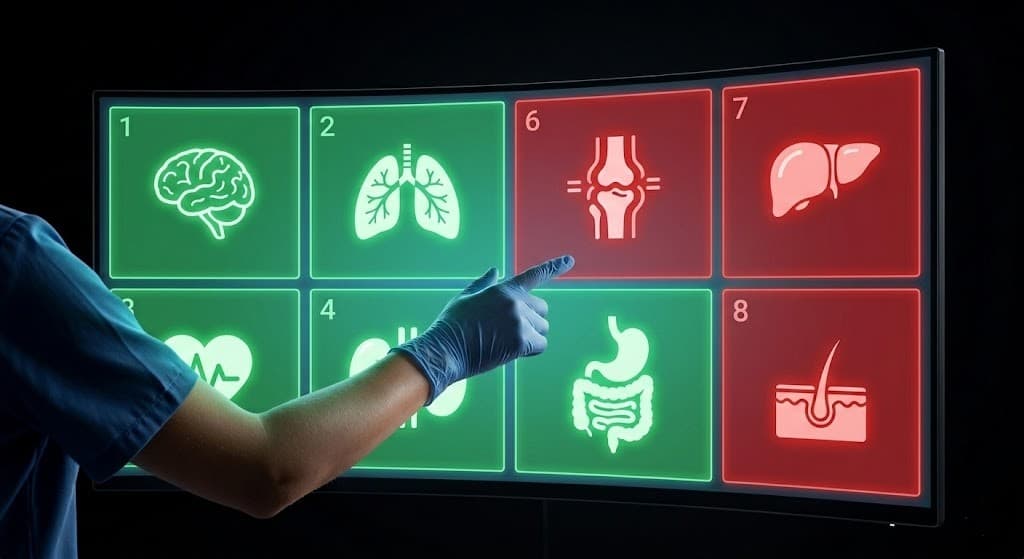
Why Should Regular Health Screenings Be Performed?
Many diseases can progress slowly without causing noticeable symptoms in the early stages. Therefore, early diagnosis of health problems is often possible through routine health check-ups performed before symptoms appear. In order to maintain a healthy life and identify potential risks in advance, it is recommended that all individuals undergo comprehensive health screenings—namely, check-up programs—periodically, even if they have no complaints.
What Is a Check-Up and Who Is It For?
A check-up is a systematic screening and examination program applied to comprehensively assess a person's general health status, regardless of whether they have current complaints. An individualized screening package is created by considering the person's age, gender, family history, genetic predispositions, lifestyle, and any existing risk factors. In this way, the individual's overall health is evaluated with objective data and preventive measures can be taken when necessary.
Today, check-up programs are considered one of the main components of the preventive health approach worldwide. Especially in individuals with a family history of significant diseases such as heart disease, diabetes, hypertension, or cancer, early diagnosis can be very decisive in increasing both lifespan and quality of life.
What Are the Main Objectives of Check-Up Programs?
The main objectives of having a check-up include:
Objective evaluation of general health status
Identification of individual disease risks
Early diagnosis of insidious or asymptomatic diseases
Development of personalized preventive health and lifestyle recommendations
Why Is Early Diagnosis Critically Important?
In some diseases (e.g., diabetes, high cholesterol, cardiovascular diseases, certain types of cancer), typical symptoms often do not appear in the early stages. Therefore, a check-up provides an opportunity to alter the course of the disease and prevent more serious health problems in the future. Especially in individuals with genetic predisposition, regular follow-up and risk mapping play an important role in maintaining health.
Which Tests and Assessments Are Included in a Check-Up?
Check-up programs generally include the following categories:
1. Blood Tests:
Complete blood count (hemogram)
Iron, ferritin, iron binding capacity
B12 and folic acid levels
Blood sugar (fasting glucose), HBA1c, insulin level
Lipid profile (total cholesterol, HDL, LDL, triglyceride)
Thyroid function tests (TSH, FT3, FT4)
Liver function enzymes (ALT, AST, GGT, ALP)
Kidney function tests (urea, creatinine, eGFR)
Vitamin D3 and, if necessary, other mineral/vitamin levels
2. Urine Analysis:
Complete urinalysis, evaluation of kidney and urinary tract health
3. Special Hormone and Infection Tests:
Hepatitis B and C screening (HBsAg, Anti-HBs, Anti-HCV)
HIV, syphilis (VDRL), Prostate (PSA), smear for women
4. Tumor Markers:
Tumor markers for certain types of cancer such as CEA, CA 125, CA 15-3, CA 19-9
5. Imaging and Functional Tests:
Chest X-ray
Abdominal ultrasonography
Thyroid or breast ultrasound, mammography
Electrocardiography (ECG), echocardiography, stress test, pulmonary function test
Bone density measurement, brain MRI or Doppler ultrasound if necessary
6. Specialist Examinations:
Evaluations by physicians in internal medicine, cardiology, women's/men's health, ophthalmology, ear-nose-throat, and other relevant fields
Why Do Check-Up Packages Differ?
Since each individual's age, gender, genetic characteristics, and health history are different, check-up packages are also tailored to the person. Some packages include basic blood and urine tests, while comprehensive programs feature advanced imaging methods and specific risk assessments. Especially in packages designed for women and men, targeted tests such as breast health, gynecological evaluation, or prostate screening are included. Special programs can also be offered for children, the elderly, pregnant women, or individuals with high-risk diseases.

Post-Check-Up Process: How Are Results Evaluated?
When the check-up is completed, all test and examination results are thoroughly reviewed by specialist physicians. If the results are within normal limits, routine follow-up is recommended; if any abnormal values are observed, additional tests or lifestyle changes may be required. Dietary adjustments, weight control, regular physical activity, and medical treatment if necessary can be planned. This approach plays a highly effective role in preventing diseases before they progress and in improving overall quality of life.
Who Should Have a Check-Up and How Often?
Most health authorities and medical associations recommend that healthy adults have a check-up once a year. However, for high-risk groups (those with a family history of chronic disease, individuals over 35-40 years of age, those with chronic conditions or intense stress/workload), this frequency may be shortened based on the physician's recommendation. Different screening programs can also be arranged for children and adolescents, pregnant women, or individuals with special health conditions according to their risks.
Contributions of Check-Ups to Individual and Public Health
Thanks to regular health monitoring, chronic diseases or insidious problems can be detected at the initial stage. Thus, treatment processes can proceed more quickly, with lower risk of complications and higher success rates. With this approach;
The individual secures their health at an early stage.
They can increase their quality and length of life.
Health literacy and disease awareness increase in society.
Overview of Check-Up Packages
Healthcare institutions offer comprehensive check-up packages to meet the different needs of individuals. Among the most common check-up packages are:
General adult, women’s and men’s check-up programs
Basic health screenings specific to children and adolescents
Special programs for executives and those working in high-paced environments
Targeted packages for cancer, heart health, bone health, or metabolic diseases
Detailed evaluation programs for organs such as the intestines, kidneys, liver, or respiratory system
Basic packages for those with limited mobility, provided with home health services
Programs for genetic risk analysis
The examinations, tests, and assessments included in each package may vary. The most suitable program should be determined based on the individual's specific needs in consultation with a physician.
Clear Explanations of Basic Tests Included in Check-Ups
CEA: Used as a tumor marker in cancer screenings.
CA 125, CA 15-3, CA 19-9: Auxiliary markers in the diagnosis and follow-up of certain types of cancer (especially ovarian, breast, gastrointestinal system).
CRP and Sedimentation: Indicators of inflammation or infection in the body.
Hemogram: Performed for general blood values and anemia screening.
Vitamins and Minerals (B12, D3, folic acid, iron, ferritin, etc.): Affect immunity, bone health, and metabolism; special precautions can be taken in case of deficiencies.
Thyroid Function Tests and Hormones: Enable early diagnosis of thyroid diseases.
Kidney Function Tests (Creatinine, Urea, eGFR): Assessment of kidney filtration function.
assesses its capacity and overall health.Liver Enzymes (ALT, AST, ALP, GGT): Provide guidance regarding liver health and whether there is any existing damage.
Lipid Profile: These are fundamental parameters for screening risk factors of cardiovascular diseases.
Mammography/Breast USG/Smear/PSA: Play an important role in gender- and age-specific cancer screenings.
Imaging Methods (USG, MRI, Doppler): Used for detailed examination of organ structure and functions.
Pulmonary Function Tests: Measure lung capacity and function.
Stool and Urine Tests: Required for the assessment of intestinal health and kidney functions.
Specific Tests (hormones, allergy panel, tumor markers): Used for specialized risk assessment.
How Is the Check-Up Application Process?
The check-up generally begins with a detailed medical history based on the individual's lifestyle and risk factors. Blood and urine samples are collected, and then various imaging and functional tests are performed as needed. Cancer screenings for women and men, especially for individuals above a certain age, are included in the program. All tests are combined with the evaluation of the relevant specialist physician, and a personalized health roadmap is created.
Steps to Follow After the Check-Up
After all tests and examinations are completed, specialist physicians inform you about the results. If the results are within normal ranges, routine follow-up is recommended; if borderline or abnormal values are detected, further investigation, treatment, and lifestyle changes may be planned. After the check-up, you are supported to improve your quality of life with healthy nutrition recommendations, exercise plans, or medication therapy if necessary. The check-up is one of the most effective starting points of the preventive health approach.
Frequently Asked Questions
1. Why is a check-up important?
A check-up enables the early diagnosis of diseases that do not show symptoms; thus, by starting treatment and lifestyle changes in a timely manner, serious health problems can be prevented.
2. How often should I have a check-up?
Generally, an annual check-up is recommended; however, this frequency may vary depending on factors such as age, family history, and current health status. You can determine the most appropriate interval for you by consulting your doctor.
3. Do I need to fast for a check-up?
Fasting is required for some blood tests (such as fasting glucose, lipid profile). You can learn the details from the healthcare institution before your appointment.
4. At what age should I start having check-ups?
Health check-ups can be performed at certain intervals from childhood; in adults, regular check-ups are recommended starting from the 20s. Especially after the age of 35-40, more comprehensive screenings should be conducted.
5. Does having a check-up provide absolute protection against diseases?
A check-up does not directly prevent diseases, but early diagnosis increases the possibility of reducing the effects of the disease and preventing its progression.
6. Is having a check-up expensive?
Check-up package prices vary depending on their content, selected tests, and the healthcare center. It is recommended to consult a healthcare professional for an individualized plan.
7. Can cancer be diagnosed during a check-up?
Check-up screenings offer the chance to detect some types of cancer before symptoms appear; however, definitive diagnosis may require further investigations.
8. Is a check-up only necessary when feeling ill?
No. A check-up is organized to screen for diseases and determine risk in advance, even in the absence of any symptoms.
9. What should I do if my check-up results are poor?
Without panicking, it is important to share the results with your specialist physician and follow the recommended additional investigations or treatment plan. Early intervention can prevent many adverse outcomes.
10. Is having a check-up beneficial if I have chronic diseases?
Yes, in individuals with chronic diseases, a check-up is very valuable for monitoring the course of the disease and possible complications.
11. Is a check-up necessary for children?
Regular health check-ups are necessary in childhood for monitoring growth and development, vaccination control, and assessment of possible risks.
12. Which doctors provide services in a check-up?
Generally, the process is coordinated by an internal medicine specialist, and if needed, branches such as cardiology, gynecology, urology, ophthalmology, and ENT are included.
13. Are all tests performed on all individuals?
The content of the tests varies according to individual risk and needs. The most appropriate tests and screening program for you are determined by physician evaluation.
14. Can infectious diseases also be detected during a check-up?
Screening tests specific to some infections (such as hepatitis, HIV) may be included in the check-up program.
15. If all my check-up results are completely normal, should I still have it done again?
Yes, check-ups performed at regular intervals allow for early detection of changes in health status; since risks may change over time, re-evaluation is important.
References
World Health Organization (WHO), "Screening and early diagnosis", www.who.int
U.S. Centers for Disease Control and Prevention (CDC), "Regular Check-Ups Are Important", www.cdc.gov
American Heart Association (AHA), "Know When and How Often to Get Screened"
American Cancer Society (ACS), "Cancer Screening Guidelines"
European Society of Cardiology (ESC), "Prevention and Screening in Cardiovascular Disease"
Peer-reviewed medical journals (The Lancet, New England Journal of Medicine)