Cerebral Hemorrhage: Causes, Symptoms, and Current Approaches

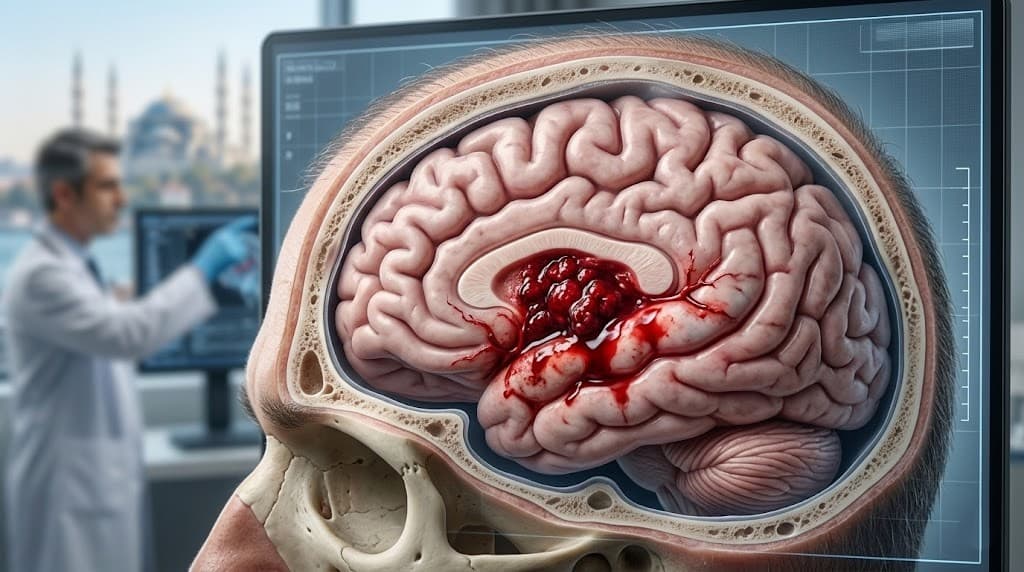
How Does a Brain Hemorrhage Occur?
A brain hemorrhage is a serious and potentially life-threatening medical condition that arises due to weakening or structural abnormalities in the walls of the brain's blood vessels. In particular, weakness in the vessel wall can result in ballooning (aneurysm). Aneurysms usually occur at points where vessels branch and these areas are more susceptible to damage compared to normal healthy vessels. These balloon-like structures may rupture for various reasons, leading to blood leaking into the brain tissue or its surroundings.
Brain hemorrhages are classified into two main groups according to their formation:
Traumatic brain hemorrhages: Occur as a result of accidents, blows, or other physical injuries.
Spontaneous brain hemorrhages: Occur spontaneously due to underlying vascular diseases, aneurysms, or other health problems.
Additionally, different types are defined according to the anatomical region where the bleeding occurs:
Intraventricular hemorrhage: Occurs in the fluid-filled cavities of the brain.
Intracerebral hemorrhage: Occurs within the brain tissue.
Subarachnoid hemorrhage: Seen between the brain and the thin membranes.
Subdural hemorrhage: Develops in a specific area between the brain membranes.
Epidural hemorrhage: Occurs between the outermost brain membrane and the skull.
In brain hemorrhages resulting from trauma, more than one region may often be affected, whereas spontaneous hemorrhages are more localized. Certain types of cancer can also increase the risk of bleeding by causing weakness in the brain vessels; however, in patients who are regularly monitored medically, this risk is generally minimal.
What Are the Symptoms of Brain Hemorrhage?
The findings of a brain hemorrhage may vary depending on the location, severity, and spread of the bleeding. Sudden onset and severe symptoms usually require emergency medical intervention. The most common symptoms are as follows:
Paralysis or muscle weakness on one side of the face
Sudden numbness and tingling sensation in the body, especially in the leg or arm
Difficulty in lifting the arm or leg, weakness in movements
Vision problems, drooping eyelid, or uncontrolled eye movements
Difficulty in speaking and understanding
Difficulty swallowing
Nausea, vomiting, or taste disorders
Severe headache, dizziness
Confusion, loss of consciousness, or sudden tendency to sleep
Balance and coordination disorders
Lack of interest or unresponsiveness to the environment
These symptoms may be more pronounced, especially in brain hemorrhages due to high blood pressure. If sudden and rapidly worsening neurological changes are observed, a healthcare facility should be consulted without delay.
What Are the Causes of Brain Hemorrhage?
The factors leading to brain hemorrhage are quite varied. Age, genetic predisposition, and current health status affect the risk. The main causes include:
Hypertension (high blood pressure): One of the most common risk factors.
Aneurysm (ballooning of the vessel wall)
Clotting disorders and certain medications used for these types of diseases
Chronic health problems such as diabetes, kidney failure, and some blood diseases
Smoking and excessive alcohol consumption
Certain liver diseases and congenital (hereditary) vessel weaknesses
Brain tumors, especially types affecting the vessels
Head trauma, falls, and accidents
Genetic factors
While some of these causes are preventable (such as smoking and alcohol use), others allow for risk reduction through lifestyle changes or regular health check-ups.
Diagnosis and Treatment Pathway for Brain Hemorrhage
Brain hemorrhage is an emergency that requires timely recognition and rapid intervention. Especially if there are unexpected symptoms, reaching a healthcare team quickly is of vital importance. It is possible that the bleeding may not present with obvious symptoms at first; therefore, individuals at risk should be kept under observation for at least 24 hours after a head injury or if brain hemorrhage is suspected.
The treatment plan varies depending on the type and location of the bleeding. The general objectives are as follows:
To determine the cause of the bleeding and control its source
To minimize damage to brain tissue
To eliminate life-threatening risk and prevent complications
Patients diagnosed with brain hemorrhage are usually admitted to intensive care. Treatment is mostly aimed at stopping the bleeding through surgical intervention, but supportive therapy may be sufficient in mild cases. The patient's recovery process after surgery varies depending on the severity, location of the bleeding, and the type of procedure performed.
During the treatment process, the patient's consciousness, respiration, heart functions, and body functions are closely monitored. In patients who have undergone surgery, it is not desired for them to remain asleep in the first hours after anesthesia, and their level of consciousness is evaluated at regular intervals. With supportive therapies, blood pressure is kept under control, and appropriate medications may be given to reduce brain edema.
Those who have had a brain hemorrhage may also benefit from supports such as physical therapy, speech, and swallowing therapy during the rehabilitation process. Regular follow-up with specialized teams significantly increases the chance of recovery.
Frequently Asked Questions
What is a brain hemorrhage?
A brain hemorrhage is a serious health problem that occurs when blood leaks into the brain tissue or between the brain membranes as a result of rupture or damage to the brain vessels.
What is the most common cause of brain hemorrhage?
High blood pressure (hypertension) is one of the most common known causes of brain hemorrhage worldwide.
Do brain hemorrhage symptoms start suddenly?
Yes, in most cases, symptoms can appear quickly and suddenly. Sudden headache, numbness in the body, speech disorder, or changes in consciousness often develop rapidly.
What should be done after a blow to the head?
If you have hit your head or have been exposed to a hard blow, and if you experience headache, vomiting, changes in consciousness, or weakness, consult a healthcare facility without delay. The first 24 hours are especially important.
Does brain hemorrhage cause permanent damage?
Depending on the location and severity of the bleeding, neurological damage may occur, but with early and appropriate treatment, the chance of recovery increases significantly.
Who is at risk for brain hemorrhage?
Those with high blood pressure, chronic diseases, smokers and alcohol users, people with clotting problems, and elderly individuals are at higher risk.
Can brain hemorrhage be prevented?
The risk can be reduced by controlling some risk factors. It is possible to take precautions with regular blood pressure monitoring, healthy nutrition, quitting smoking and alcohol, treating chronic diseases, and regular health check-ups.
Can someone who has had a brain hemorrhage fully recover?
Although it varies from patient to patient, early diagnosis and treatment increase the likelihood of recovery. Rehabilitation programs also help reduce functional losses.
Is brain hemorrhage treated only with surgery?
No. The type, size of the bleeding, and the patient's general condition determine the treatment plan. In mild cases, only medical support may be sufficient; however, in some cases, surgical intervention is required.
Is every headache a sign of brain hemorrhage?
No, there are many different causes of headache. However, if you experience a sudden, severe, and unusual headache, especially if accompanied by other symptoms, medical evaluation is necessary.
Is drowsiness after brain hemorrhage dangerous?
Yes, drowsiness or confusion is an important finding. In this case, it is essential to consult a doctor.
Do children also have brain hCan cerebral hemorrhage be seen in children?
Yes, although rare, cerebral hemorrhage can develop in children due to trauma, congenital vascular abnormalities, or certain diseases.
What should be done as first aid for someone who has had a cerebral hemorrhage?
Lay the person on their side safely, keep the airway open, and call an ambulance if possible. If there is loss of consciousness or irregular breathing, additional medical support should be awaited.
References
World Health Organization (WHO) – Stroke Fact Sheet
American Heart Association (AHA) – Hemorrhagic Stroke Information
U.S. Centers for Disease Control and Prevention (CDC) – Stroke Resources
European Stroke Organisation Guideline Recommendations
The Lancet Neurology – Intracerebral Haemorrhage: Current Approaches to Diagnosis and Management