Anemia: Causes, Symptoms, and Treatment Methods

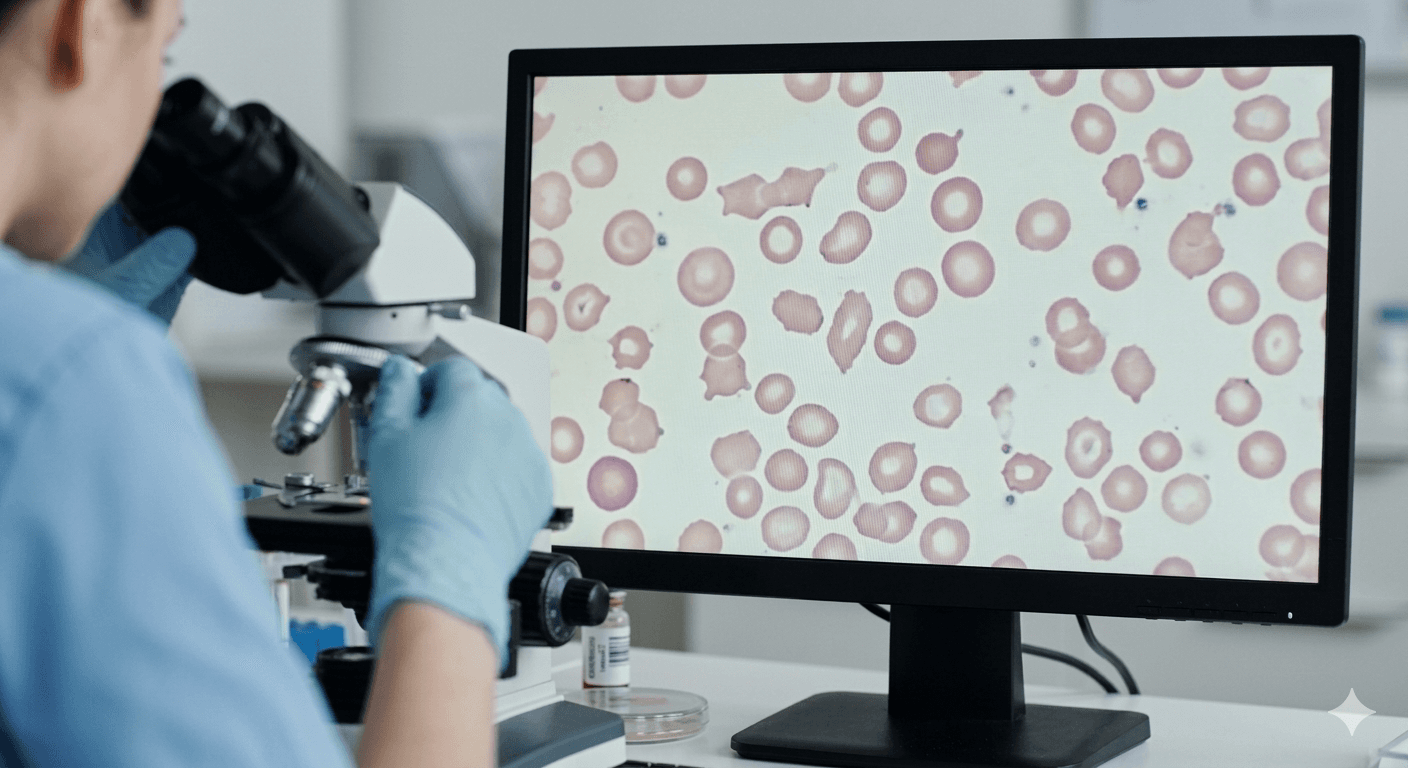
Anemia, or its medical name, is a common health problem that arises when the number of healthy red blood cells in the body or the hemoglobin contained within them falls below normal. Hemoglobin is a fundamental protein that enables the transport of oxygen from the lungs to the tissues in the body. When the number or quality of red blood cells decreases, sufficient oxygen cannot be delivered to body tissues, leading to various complaints. Anemia is a common disease worldwide and presents different risks in different age groups.
In Which Situations Does Anemia Occur?
Anemia usually develops due to the body's inability to produce healthy red blood cells, the loss of these cells faster than normal, or increased destruction. In addition, some underlying diseases can directly or indirectly affect the production of red blood cells. Anemia, which affects many people worldwide, is seen more frequently especially in the preschool age group and in pregnant women. According to various studies, the frequency of anemia is high in preschool children, and about one in two children in this group may experience anemia.
Why Does Anemia Develop?
The causes leading to anemia are quite varied. Basically, there are three main mechanisms:
The body's inability to produce enough red blood cells,
Sudden or insidious blood losses,
Premature destruction or breakdown of red blood cells.
Main causes involved in the development of different types of anemia:
Iron Deficiency Anemia:
This is the most common type of anemia worldwide. Iron is the main building block of hemoglobin; in its deficiency, sufficient hemoglobin cannot be synthesized in the bone marrow and the formation of new red blood cells is impaired. Iron deficiency may develop due to inadequate nutrition, heavy menstrual bleeding, gastrointestinal diseases, or increased need during Pregnancy.
Vitamin Deficiency Anemia:
Not only iron but also vitamin B12 and folate are required for the production of red blood cells. With the deficiency of these vitamins, a sufficient number of mature and healthy red blood cells cannot be produced. B12 deficiency can also occur as a result of absorption problems in the intestines (for example, pernicious anemia), in addition to nutritional deficiency.
Anemia Due to Chronic Diseases:
Long-term infections, chronic inflammatory diseases (such as rheumatoid arthritis), kidney failure, and conditions like cancer can put pressure on the bone marrow's production of red blood cells.
Aplastic Anemia:
This is a rare but serious type of anemia in which the bone marrow loses its ability to produce sufficient blood cells. Underlying causes may include viral infections, certain medications, autoimmune disorders, and exposure to toxic substances.
Anemias Due to Bone Marrow Diseases:
In leukemia and similar bone marrow diseases, blood cell production may be adversely affected. While this condition may sometimes be mild, in advanced cases it can be life-threatening.
Hemolytic Anemias:
These are types of anemia in which red blood cells are destroyed faster than they are produced; some are hereditary (congenital), while others develop later. Immune system cells may mistakenly target red blood cells, or this process may be triggered by certain medications.
Sickle Cell Anemia:
In sickle cell anemia, which is a hereditary disease, due to a genetic defect in the hemoglobin molecule, red blood cells lose their normal shape and take on a "sickle" shape. These abnormal cells are rapidly destroyed and cannot deliver enough oxygen to the tissues.
Anemia Due to Chronic Lead Poisoning:
Lead exposure can also disrupt the production of red blood cells in the bone marrow and lead to anemia.
What Are the Symptoms of Anemia?
The symptoms caused by anemia vary significantly depending on the type, severity, and duration of development of the anemia. In cases that are insidious and mild, the body may compensate for the symptoms for a while and the patient may not notice their condition. However, as anemia progresses, typical complaints emerge:
Unusually rapid fatigue and loss of strength during daily activities
Palpitations or increased heart rate during exercise or at rest
Chest pain and shortness of breath
Dizziness and frequent headaches
Pallor of the skin, lips, or nails
Leg cramps
Difficulty falling asleep and maintaining sleep
Specific symptoms may also be observed in some types of anemia:
In iron deficiency: Craving to eat unusual objects (paper, soil, ice, etc.), upward curving of the nails (spoon nails), cracking at the corners of the mouth
In vitamin B12 deficiency: Tingling or numbness in the hands and feet, muscle stiffness, gait disturbances, memory problems
In chronic lead poisoning: Dark-colored line on the gums, abdominal pain, gastrointestinal problems
In hemolytic anemia: Yellowing of the skin and whites of the eyes (jaundice), dark-colored urine, leg ulcers
In sickle cell anemia: Severe bone and joint pain, recurrent infections, growth disorders
In aplastic anemia: Fever, frequent infections, skin rash
In folic acid deficiency: Irritability, diarrhea, burning and smoothing of the tongue
What Can Be Done to Cope with Anemia?
Anemia can often lead to a weakened immune system and susceptibility to infections. It is possible to increase the body's resistance with supportive lifestyle adjustments and proper nutrition. Getting enough vitamin C both supports immunity and helps iron absorption. Citrus fruits rich in vitamin C, lemon drinks, and fresh vegetables can be added to the daily diet.
Green leafy vegetables (such as spinach, broccoli) are rich in iron and folate. However, when spinach and similar vegetables are consumed lightly cooked, the oxalic acid they contain, which negatively affects iron absorption, is reduced. Fresh pomegranate or beet juice also stands out for its blood-forming effects. Seeds such as black sesame contain iron and can be added to your diet.
Although these recommendations provide general support for anemia, the exact cause and treatment method of anemia should definitely be evaluated by a healthcare professional.
What Approaches Are Followed in the Treatment of Anemia?
The treatment of anemia is possible by correctly identifying the underlying cause and following an approach directed at it. The main goal is to restore red blood cells and hemoglobin to normal levels and thus ensure sufficient oxygen delivery to the tissues. The main treatment approaches are as follows:
In iron deficiency anemia: Primarily, iron supplements are given through diet or additionally. If anemia is due to blood loss, identifying and treating the source of bleeding is a priority.
In vitamin B12 or folic acid deficiency: The missing vitamins are supplemented orally or by injection.
In hereditary anemias such as thalassemia: Folic acid support, blood transfusion if necessary, or bone marrow transplantation in severe cases may be planned.
In anemias due to chronic diseases: The main goal is to manage the underlying disease. Anemia usually improves as the disease is brought under control.
In aplastic anemia: Blood or bone marrow transplantation may be performed if necessary.
In sickle cell anemia: Pain and infection control, adequate fluid support, antibiotics and folic acid supplementation if necessary. In advanced cases, blood transfusion may be required.
In hemolytic anemias: Immunosuppressive drugs, infection treatment, and in some cases blood transfusion may be necessary. It is recommended to avoid drugs that damage red blood cells.
The treatment of each anemia patient should be arranged individually, and the cause should be eliminated or controlled as much as possible.
Frequently AskFrequently Asked Questions
1. What is anemia and what causes it?
Anemia is a disease that occurs as a result of a decrease in healthy red blood cells or hemoglobin in the blood. Inadequate nutrition, blood loss, chronic diseases, and certain genetic factors are among the common causes.
2. In which age groups is anemia more common?
Anemia is especially common in children, women of reproductive age, and pregnant women. However, it can be seen at any age.
3. In which vitamin deficiency does anemia occur more frequently?
Deficiencies of iron, folate, and vitamin B12 are among the most important risk factors for anemia.
4. What are the symptoms of anemia?
Main symptoms include fatigue, weakness, paleness, shortness of breath, and palpitations. Depending on the cause of anemia, different serious findings may occur.
5. Is anemia contagious?
No, anemia is not a contagious disease.
6. What tests are performed to diagnose anemia?
Complete blood count, measurement of iron, ferritin, B12, and folic acid levels, and in some cases, additional special tests may be performed.
7. What happens if anemia is not treated?
If left untreated, anemia may progress, impair quality of life, and pave the way for some serious health problems. It may have particularly negative effects on the heart and respiratory system.
8. How is anemia treated?
Treatment depends on the underlying cause. In patients with iron, B12, or folic acid deficiency, relevant supplements are used. In severe cases, blood transfusion or advanced treatments may be required.
9. What can be done to prevent anemia?
Eating a balanced and varied diet, having regular health check-ups, and paying attention to the treatment of chronic diseases help prevent anemia.
10. Why is anemia important during pregnancy?
Due to the increased need for iron and folate during pregnancy, the risk of anemia is high. Early diagnosis and treatment of anemia are important for the health of both the mother and the baby.
11. Can anemia be cured with herbal or natural methods?
Paying attention to diet provides support against anemia, but full treatment with only natural methods is not possible without determining the cause. Doctor supervision is essential.
12. Can someone with anemia do intense exercise?
Intense exercise is not recommended in severe anemia. Light or moderate exercise may become appropriate after treatment. Medical advice should be sought.
13. Does anemia affect growth in children?
Yes, untreated anemia in children can lead to problems in physical and mental development.
14. What should be done if the cause of anemia is unknown?
In cases of anemia with an unclear cause or that does not respond to treatment, further investigations may be required. In this case, consulting a hematology specialist is beneficial.
15. Which foods are recommended for anemia?
Foods such as yogurt, eggs, red meat, fish, legumes, green leafy vegetables, pomegranate, and orange are supportive against anemia.
References
World Health Organization (WHO), "Haemoglobin concentrations for the diagnosis of anaemia and assessment of severity", 2011.
Centers for Disease Control and Prevention (CDC), "Iron Deficiency Anemia".
American Society of Hematology (ASH), Anemia Patient Information.
National Institutes of Health (NIH), MedlinePlus: Anemia overview.
Mayo Clinic, "Anemia — Symptoms and causes".