Panic Attack: Symptoms, Causes, and Support Strategies

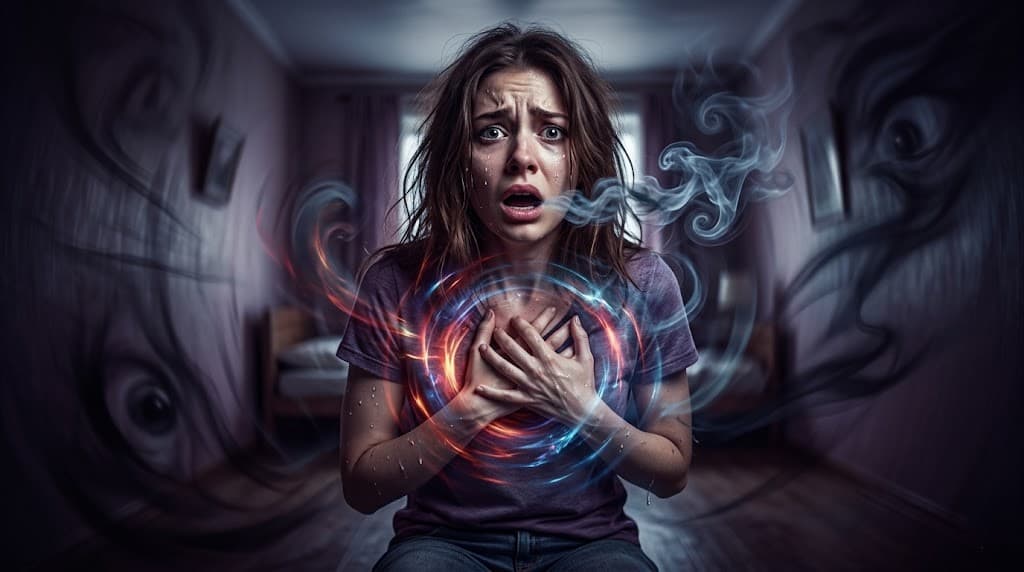
What is a Panic Attack?
A panic attack is a condition characterized by the sudden onset of intense fear, anxiety, and physical symptoms, which can negatively affect a person's daily life. During an attack, individuals may often feel as if they are having a heart attack, panic due to fear of death or the thought of losing control. Although there are many people who experience a panic attack once or several times in their lives, when these attacks become regular and create significant anxiety in the individual, the diagnosis of "panic disorder" is considered.
What Does Panic Attack Mean?
Panic disorder and panic attacks are among the most frequently encountered conditions in psychiatry. Panic disorder is characterized by recurrent panic attacks that occur unexpectedly and are unpredictable in timing. According to diagnostic criteria (DSM-5), a panic attack is described as a wave of intense fear and discomfort that peaks within a few minutes.
The following physical and emotional symptoms are often seen together during panic attacks:
Palpitations or accelerated heartbeat
Difficulty breathing, shortness of breath, rapid breathing
Chest pain or a feeling of pressure
Sweating, trembling, chills or hot flashes
Dizziness, lightheadedness, feeling faint
Abdominal pain, nausea
Numbness, tingling
Feeling detached from the environment or oneself (derealization, depersonalization)
Fear of death, fear of losing control, or feeling like "going crazy"
Although panic attacks do not directly threaten life, they can be extremely distressing and frightening; they can have significant negative effects on a person's quality of life. The important thing is to recognize the symptoms and know that they can be managed with an appropriate approach.
What Causes Panic Attacks?
The causes of panic attacks are not fully understood and usually arise from a combination of many genetic, biological, psychological, and environmental factors. Genetic predisposition, family history, intense stress, trauma, or anxiety disorders can increase the risk of developing panic attacks. Additionally, imbalances in brain chemicals such as serotonin and norepinephrine may also play a role. In some individuals, panic attacks may develop without any apparent trigger.
What Are the Symptoms of Panic Attacks?
Panic attacks are generally related to the excessive activation of the body's "fight or flight" response. Typically, an attack that starts without any stimulus intensifies within a short period, such as 10 minutes, and then gradually subsides.
The most frequently reported symptoms include:
Chest pain and a feeling of pressure
Difficulty swallowing
Shortness of breath/rapid breathing
Palpitations
Feeling faint
Hot flashes/chills/trembling
Sweating
Nausea, abdominal pain
Numbness, tingling
Fear of death, feelings of detachment from reality
Panic disorder usually begins in young adulthood and is somewhat more common in women than in men. Attacks can be experienced in different forms and intensities in different individuals. In some people, there may be intense anxiety about the possibility of another attack after an episode; this can be a clue to the development of panic disorder.
How Do Panic Attacks Manifest in Children?
In children, panic attacks may present with physical symptoms similar to those in adults; however, children may have difficulty expressing their complaints. Genetic predisposition, stressful life events, excessive anxiety, and functional changes in certain brain regions may play a role in the development of panic attacks in children. Often, children may develop anxiety about the possibility of new attacks following negative experiences.
What Are Nocturnal Panic Attacks?
Panic attacks can occur not only during the day but also in the deep stages of sleep at night. In nocturnal panic attacks, symptoms such as waking up with a sudden sense of fear, intense anxiety, palpitations, sweating, trembling, shortness of breath, and stomach discomfort may occur. These attacks can disrupt sleep patterns and negatively affect quality of life.
How Do Panic Attacks Develop?
Panic attacks do not directly threaten life; however, the symptoms may resemble serious conditions such as heart attacks or respiratory diseases. Therefore, especially during the first attack, it is recommended that the individual seek medical attention to ensure there is no underlying medical problem.
There are hypotheses regarding the imbalance of chemicals in the brain such as "GABA", serotonin, and cortisol in their development. Various studies are ongoing to fully understand the mechanisms contributing to attacks.
What Are the Risk Factors for Panic Attacks?
Panic attacks can occur in anyone at any time. Risk factors include:
Genetic predisposition and family history
Female gender
Early adulthood (especially around age 25)
Stressful life events (bereavement, divorce, childhood abuse)
Chemical substances (certain medications, caffeine, alcohol, substance use)
Psychological structure (shy, histrionic, obsessive-compulsive or borderline traits)
Environmental triggers and personality factors
How Do Panic Attacks Affect Life?
Untreated panic attacks can lead to significant problems in an individual's quality of life and functioning over time. Avoidance of social situations, constant seeking of medical support, decreased performance at work and school, depression, other anxiety disorders, and a tendency toward substance use may occur. In some people, agoraphobia may develop as a tendency to avoid crowded or enclosed spaces.
How Long Does a Panic Attack Last?
Each panic attack may last for a different duration. Most often, it is severe for 10–30 minutes and rarely lasts up to an hour. The frequency and duration of attacks vary from person to person; there may be rarely experienced attacks as well as frequent and recurrent ones.
How Is a Panic Attack Diagnosed?
Since panic attacks can present with symptoms similar to various medical conditions, a comprehensive evaluation by a physician is required. Organic causes are ruled out with tests such as electrocardiography (ECG), thyroid function tests, complete blood count, and respiratory function tests. Then, the person's psychosocial history is evaluated and diagnostic criteria such as DSM-5 are used. Not every person who experiences a panic attack is diagnosed with panic disorder, but if there are recurrent, unexplained attacks and ongoing anxiety, panic disorder is suspected.
The attacks should not be explained by substance or medication use, organic disease, or other psychiatric disorders. Diagnosis is usually made by the assessment of a mental health professional.
What Should Be Done During a Panic Attack?
During an attack, it may be helpful for the person to focus primarily on calming down. Taking deep and slow breaths, trying techniques such as the "4-7-8 breathing exercise," moving to a place where they feel safer in their environment, or seeking support from a close person may help. It is important to focus especially on breathing and to reframe negative thoughts until the attack passes. In the case of frequent recurrent attacks, professional help is strongly recommended.
Ways to Cope with Panic Attacks
The following strategies may help manage panic attacks:
Taking deep and slow breaths
Using self-soothing affirmations (such as "This is a temporary process")
Leaving a noisy or crowded environment and being in a calm place
Seeking support from a close friend or family member
Practicing regular exercise, meditation, and relaxation techniques
Seeking professional support from a therapist or psychiatrist if necessary
What Helps with Panic Attacks?
There may be different ways to calm yourself: Deep breathing exercises, relaxation techniques, yogstarting yoga, trying aromatherapy or relaxing herbal teas may be beneficial for some individuals. However, in the long term, the most effective way is to learn appropriate psychotherapy methods by working with a specialist and to receive medical support when necessary.
Modern Approaches in Panic Attack Treatment
Panic attack treatment is mostly carried out with psychotherapy and/or medications. The strongest evidence in the field of psychotherapy belongs to cognitive behavioral therapy (CBT). CBT helps individuals understand the underlying mechanisms of the feelings and thoughts experienced during panic attacks and develop coping strategies.
In drug treatment, antidepressants and sometimes anxiolytics for short-term use may be prescribed. Your physician will adjust your treatment plan according to developing complaints. The effectiveness of medications may be felt after a few weeks, and regular follow-up is required throughout the treatment.
Benefits of Breathing and Relaxation Exercises
Since breathing can become shallow and rapid during a panic attack, the body can be relaxed with breathing exercises. An exercise involving inhaling deeply for 4 seconds, holding for 1 second, and exhaling slowly over 4 seconds may be beneficial. Similarly, practicing progressive muscle relaxation techniques can also help manage attack symptoms.
The Role of Hypnosis and Exercise
Along with different psychotherapy techniques, hypnotherapy may be supportive for some individuals. In addition, regular physical activity (such as brisk walking or swimming) can positively affect certain chemical balances in the brain and help stabilize mood.
Supporting Loved Ones Experiencing Panic Attacks
It is important to remain calm, avoid judgment, and use a gentle and supportive language while being present with the person during a panic attack. Focus on ensuring the person feels safe once the episode has passed. If necessary, you can help them perform breathing exercises or other supportive methods you have used before.
Frequently Asked Questions
1. Are panic attacks and panic disorder the same thing?
No. A panic attack is a condition characterized by sudden onset of fear and physical symptoms; panic disorder is when panic attacks are frequent, recurrent, and reach a level that negatively affects a person's life.
2. Can a panic attack be confused with a heart attack?
Yes. There may be similar symptoms such as chest pain, palpitations, and shortness of breath. While a panic attack is temporary and entirely psychological in origin, a heart attack is a medical emergency. If your symptoms are new or severe, be sure to consult a doctor.
3. Do panic attacks resolve on their own?
Most panic attacks lose intensity over time and end spontaneously in a short period. However, if they are recurrent or affect your quality of life, professional help should be sought.
4. What situations can trigger a panic attack?
Often, intense stress, traumatic events, insomnia, excessive caffeine or alcohol consumption can be triggers. Sometimes, attacks may develop without an apparent cause.
5. How is deep breathing exercise performed?
In a comfortable position, inhale deeply through the nose for 4 seconds, hold your breath for 1 second, and exhale slowly through the mouth over 4 seconds. Repeating this cycle several times can be relaxing.
6. Is it possible to completely eliminate panic attacks?
With appropriate therapies and/or medication, the frequency and severity of panic attacks can be greatly reduced. It is important to adhere to treatment and learn stress management.
7. Can children have panic attacks?
Yes. Panic attacks can also be seen in children as in adults. Children often express their anxiety with physical symptoms such as abdominal pain or dizziness.
8. When should I go to the hospital during a panic attack?
If you are experiencing such distinct and severe symptoms for the first time or feel as if you are having a serious medical problem, be sure to seek medical attention.
9. Are herbal teas and aromatherapy beneficial for panic attacks?
For some people, herbal teas (e.g., chamomile) or aromatherapy may be relaxing; however, these should not replace medical advice.
10. Is medication treatment necessary?
Although not for everyone, medication treatment may be helpful in frequent and severe panic attacks. The appropriate treatment decision should be made together with a mental health professional.
11. Which psychotherapies are effective besides CBT?
Talk therapies, relaxation techniques, and in some individuals, hypnotherapy may provide additional benefit.
12. Can exercise prevent panic attacks?
Regular physical activity helps reduce stress and improve overall well-being; this may reduce the risk of panic attacks.
13. How can I help someone having a panic attack?
Stay calm, support the person, remind them that the situation is temporary. Offer helpful exercises and stay with them until the episode is over.
References
World Health Organization (WHO) – Mental Health Topics
American Psychiatric Association (APA) – Diagnostic and Statistical Manual of Mental Disorders (DSM-5)
National Institute of Mental Health (NIMH) – Panic Disorder Information
Anxiety and Depression Association of America (ADAA) – Panic Attacks Resource
Mayo Clinic – Panic Attacks and Panic Disorder
The Lancet Psychiatry; Generalized anxiety disorder and panic disorder: recent advances in diagnosis and management