Hawthorn Fruit: Characteristics, Health Effects, and Safe Usage Methods

What is the Hawthorn Plant?
The hawthorn plant is a valuable fruit containing various vitamins and minerals, distinguished by its historical and contemporary uses. Hawthorn, which has held a place in traditional medicine for many years, can offer various health benefits through its fruit, leaves, and flowers. In this article, we will address the basic characteristics of the hawthorn fruit, its potential benefits, methods of consumption, and points to be considered from a scientific perspective.
General Information About Hawthorn Fruit
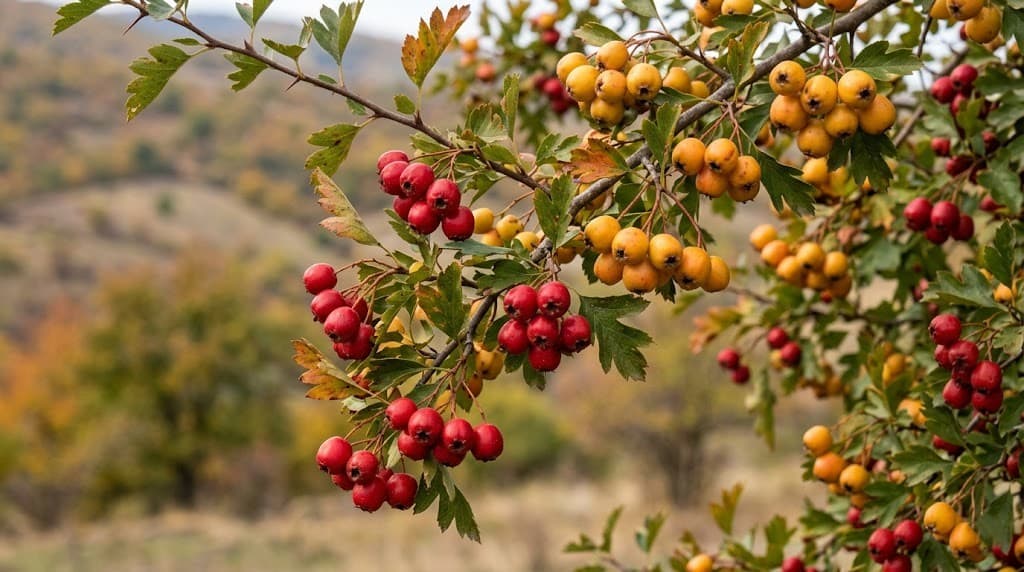
Hawthorn belongs to the Rosaceae family, is known for its densely thorny branches, and typically apple-like red, sometimes yellow fruits. It grows as a shrub or tree, especially in temperate climates worldwide. It is also naturally found in Turkey and its surroundings. Its flowers are usually white or pink, giving the plant a striking appearance. Known for its sour and slightly sweet aroma, hawthorn has been used for centuries in different cultures as a natural plant for cardiovascular health, high blood pressure, and digestive issues. Additionally, as it is thought to help reduce stress and tension, it is also consumed as a herbal relaxant.
What Are the Potential Benefits of Hawthorn Fruit?
The nutrients and natural compounds contained in hawthorn fruit may be supportive in some health areas. Based on scientific findings and traditional use, the main potential effects are as follows:
May support cardiovascular health
Hawthorn, especially with its flavonoid and antioxidant content, may traditionally contribute to the protection of heart health. Some studies indicate that hawthorn extracts may help regulate blood pressure by dilating blood vessels and may support heart functions. However, it should be remembered that these effects may vary from person to person and should never replace medical treatments.
May contribute to the digestive system
Hawthorn supports the regulation of the digestive system thanks to its fibrous structure and herbal extracts. It is traditionally used especially for common complaints such as constipation, mild bloating, and indigestion.
Anti-inflammatory and antioxidant properties
Rich in polyphenols and flavonoids, hawthorn may help balance free radicals and inflammatory processes in the body. This may support the strengthening of the immune system and the prevention of some chronic diseases.
May support blood sugar and cholesterol balance
Some studies show that the pectin and flavonoids found in hawthorn fruit may help regulate blood sugar control and cholesterol levels. Therefore, hawthorn products may provide benefits for low-risk individuals as part of a balanced diet.
Management of emotional state and immune system
Hawthorn fruit contains natural compounds that, according to some traditional sources, may help alleviate anxiety and mood disorders. It is also rich in vitamins and antioxidants that may contribute to strengthening the immune system.
Contribution to blood pressure regulation
Hawthorn is one of the plants traditionally recommended in Asian medicine to balance high blood pressure. There is some research indicating that hawthorn extracts may have a vasodilatory effect. However, such effects may not be seen to the same degree in every individual and may require medical supervision.
May help protect skin health
It may contain components that help slow down skin aging caused by sun exposure and increase skin moisture. While these effects are supported by scientific research, it is not a standalone solution in skin care.
How Is Hawthorn Fruit Consumed?
Hawthorn fruit can be added to the daily diet in various forms:
Fresh consumption:
The thoroughly washed fruit can be eaten directly as a snack. Raw consumption is common in different parts of the world. However, the seeds of the fruit should definitely not be eaten as they contain substances similar to cyanide.
Dried form:
Herbal teas can be prepared from dried hawthorn fruit, leaves, and flowers, or it can be used as a spice.
Fruit extract and syrup:
Ready-made hawthorn extracts can be consumed as supplements or added to beverages.
Jam and marmalade:
Hawthorn fruit can be prepared as marmalade or jam and used at breakfast or in desserts.
Vinegar and fermented products:
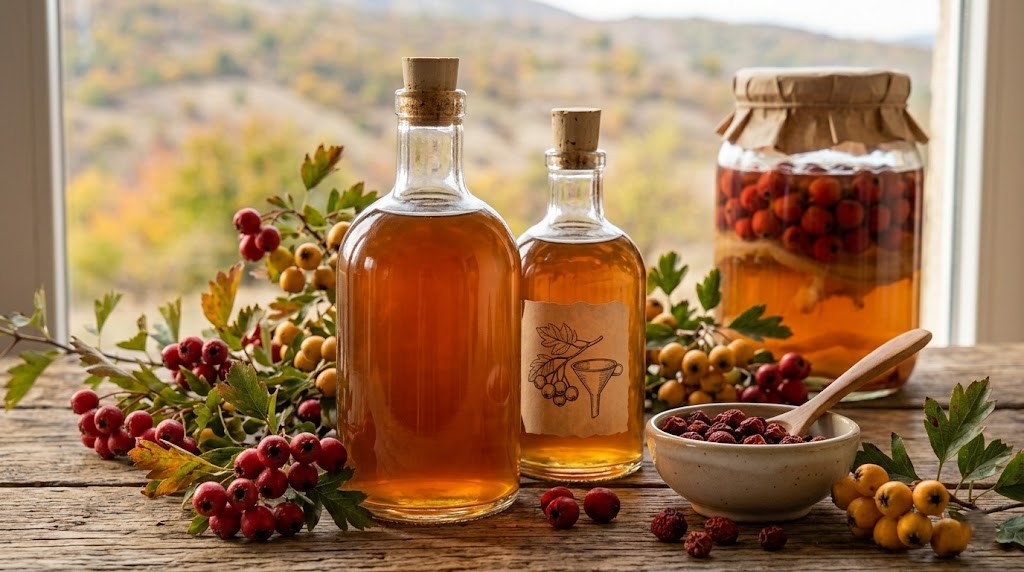
Hawthorn fruits can be fermented to produce natural vinegar or fruit wine.
An important detail to remember is that individuals with special medical conditions such as high blood pressure, heart disease, or regular medication use should definitely consult a healthcare professional before consuming hawthorn products.
Nutritional Content of Hawthorn Fruit
Although hawthorn is low in calories, it contains many beneficial micronutrients. In general, it contains the following nutrients:
Carbohydrate
Fiber
Protein
Fat
Sodium
Potassium
Calcium
Iron
Vitamin C
Vitamins A, B1, B2, and D
Carotene, choline, pectin
With its rich polyphenol, flavonoid, and antioxidant content, it can play a supportive role in nutrition.
Possible Side Effects of Hawthorn Fruit
Although hawthorn is generally considered safe for healthy individuals when consumed in recommended amounts, side effects may occur in some people:
Dizziness or fatigue
Stomach complaints (especially burning or discomfort when consumed in excessive amounts)
Drop in blood pressure or changes in heart rate (especially in those with heart/vascular disease)
Interactions with some medications; especially in those using blood pressure regulating or blood-thinning drugs
Rarely, allergic reactions; if the fruit is being tried for the first time, it should be consumed in small amounts with caution.
If any side effects are observed or if there is a medical condition, a doctor should be consulted.
Benefits of Hawthorn Vinegar and Other Hawthorn Products
Hawthorn vinegar is a natural product obtained by fermenting the fruits and has become popular in recent years. It contains prebiotic fibers and antioxidants that support digestive health. Additionally:
May facilitate digestion
May help balance blood sugar (by slowing carbohydrate absorption)
May be supportive in cholesterol management
May benefit the immune system
May show effects to reduce inflammation in the body
Hawthorn vinegar can be used as a salad dressing, food additive, or beverage. However, here too, individuals with chronic diseases or regular medication use are advised to consult a doctor before adding a new product to their diet.
Frequently Asked Questions
1. Who should not consume hawthorn fruit?
Individuals at risk for cardiovascular health, those who regularly use blood pressure or blood-thinning medications, pregnant/breastfeeding women, or those with chronic diseases should consult their doctor before consuming hawthorn.
2. What is the effect of hawthorn fruit on heart health?
According to some studies, hawthorn may help heart functions with its vasodilatory and antioxidant contents; however, it should never replace medical treatment.
3. Is hawthorn fruit suitable for diabetic patients?
Although it may help balance blood sugar when used in limited and controlled amounts, a healthcare professional should definitely be consulted before using it as a supplement.
4. Al�Are hawthorn seeds harmful?
Yes, certain substances found in the seeds can be toxic, so they should definitely not be consumed.
5. Is hawthorn harmful for kidney or liver patients?
There is no clear evidence in the literature that it is directly harmful; however, it is a safe approach for kidney or liver patients to consult their physicians before adding a new food to their diet.
6. Does hawthorn fruit cause allergies?
Although rare, allergic reactions have been reported. If trying hawthorn for the first time, start with a small amount and observe for possible reactions.
7. Does hawthorn fruit help with weight loss?
Hawthorn is a low-calorie and fiber-rich fruit. Therefore, it may help with satiety. However, it should not be used solely for the purpose of weight loss.
8. Are there drug interactions with hawthorn fruit and its products?
Yes, there is a risk of interaction especially with heart and blood pressure medications and blood thinners. Those using such medications should definitely consult a doctor.
9. How should hawthorn vinegar be used?
You can add it to your salads or meals. Avoid consuming it in large amounts and those with medical conditions should consult a doctor first.
10. In which situations can hawthorn tea be beneficial?
It may be preferred for mild digestive problems, relaxation, and antioxidant support. However, those with chronic illnesses should consult a specialist before consuming it as tea.
11. Should it be consumed fresh, dried, or as jam?
Each can be beneficial in different ways. The fresh form is the richest in vitamins and minerals. Dried and tea forms largely retain their antioxidants.
12. Is hawthorn consumption safe during pregnancy?
There is not enough scientific data on hawthorn consumption during pregnancy. Therefore, pregnant women should definitely consult their doctors before using hawthorn and its products.
13. Is hawthorn suitable for children?
For children's health, it can be given fresh and without additives in small amounts; however, if there is any sensitivity or medical condition, a doctor should be consulted.
14. How is hawthorn allergy recognized?
If symptoms such as itching, rash, or shortness of breath develop after consumption, medical support should be sought immediately.
References
World Health Organization (WHO). Traditional Medicine Fact Sheets.
National Center for Complementary and Integrative Health (NCCIH): Hawthorn.
European Medicines Agency (EMA). "Hawthorn Leaf and Flower: Summary for the Public".
Mayo Clinic: "Hawthorn – Overview and Clinical Uses".
Journal of Ethnopharmacology, "Therapeutic applications of hawthorn (Crataegus spp.)".