What You Need to Know About Migraine: Definition, Types, Symptoms, and Management

How Does Migraine Differ from Other Headaches?
Migraine is a type of headache that can begin at any stage of life, is usually recurrent, and can last for hours or even days. It most commonly affects individuals of working age and ranks high among chronic diseases that cause loss of function worldwide. It is especially more common in women compared to men; according to various studies, approximately one in five women and one in twenty men experience migraine. Although migraine can start in childhood, it usually begins during adolescence, and its frequency may decrease with advancing age, particularly after menopause.
What Are the Clinical Features of Migraine?
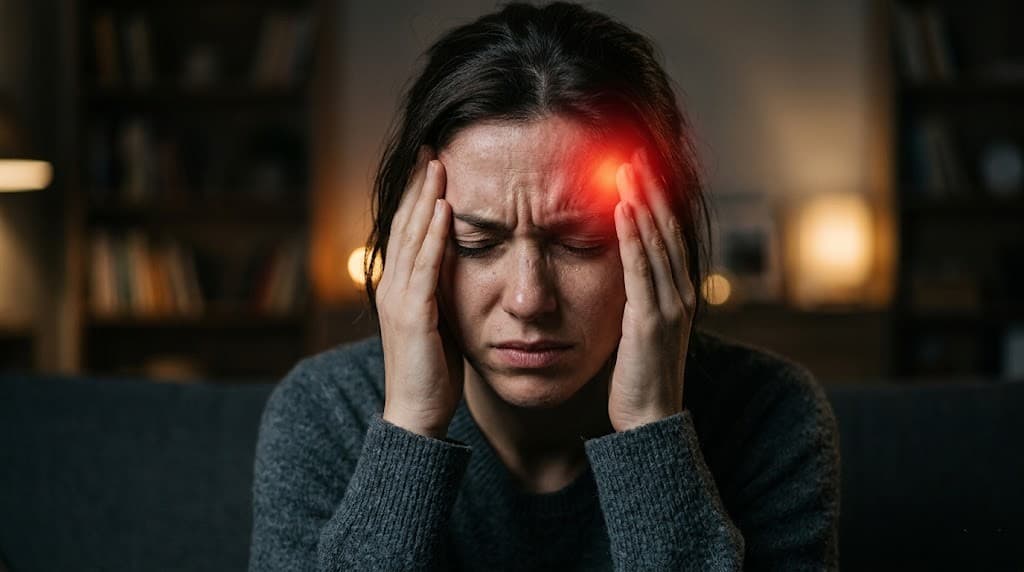
Migraine is a neurological syndrome characterized by lifelong and periodically exacerbating headache attacks. Typically, the headache that occurs during attacks may be localized to one side, is generally moderate or severe, and has a throbbing quality. The pain is often accompanied by symptoms such as nausea, vomiting, and sensitivity to light and sound. Sometimes, patients may experience completely pain-free periods between attacks.
Genetic predisposition plays an important role in the development of migraine. The risk of migraine increases in individuals with a family history. However, not only genetic but also environmental factors are effective in the development of this disease. It is important to know that migraine is not a strictly hereditary disease, and both genetic and environmental factors play a role.
What Are the Main Types of Migraine?
In clinical practice, migraine is mainly divided into two groups:
Migraine without Aura: This is the most common form. A headache attack typically lasts 4-72 hours. The pain is often unilateral and may worsen with physical activity. Attacks may be accompanied by sensitivity to light or sound.
Migraine with Aura: Accounts for about 10% of migraine patients. Shortly before the onset of headache—usually about an hour before—temporary neurological symptoms such as visual disturbances (zigzag lines, flashes of light, blind spots in the visual field), tingling, weakness, dizziness, or speech disturbances may occur. Attacks with and without aura can be of similar severity.
In addition to these, rarer subtypes such as chronic migraine (characterized by at least 15 days of headache and 8 days of migraine-like attacks per month) and probable migraine have also been defined.
What Causes Migraine? What Are the Triggering Factors?
Although it is not possible to fully elucidate the causes of migraine, it is thought that the disease arises as a result of functional changes between the blood vessels and nerves in the brain. The central nervous system of individuals with migraine is more sensitive to certain stimuli, and various internal or external factors can facilitate the onset of attacks.
Genetic factors play a role in the development of migraine; especially in people with a family history of migraine, the risk is higher than the general population. However, triggers such as stress, irregular sleep, hormonal changes, weather and seasonal changes, certain foods and beverages, exposure to environmental odors or sounds can individually initiate a migraine attack.
How Can You Recognize the Symptoms of Migraine?
Migraine typically manifests itself in four main consecutive phases:
1. Prodrome Phase:
In the hours or a day before the attack, warning signs such as mild irritability, mood swings, lack of motivation, changes in sleep and appetite, and a feeling of stiffness in the neck area may appear.
2. Aura Phase:
Although not seen in every patient with migraine, some individuals may experience temporary visual, sensory, or neurological disturbances (such as flashes of light, blind spots in the visual field, numbness, tingling, or even difficulty speaking) before or at the onset of headache. Aura symptoms usually last less than an hour.
3. Pain (Headache) Phase:
The headache is usually throbbing and severe on one side of the head; however, it can affect the entire head. The pain is often accompanied by nausea, vomiting, and sensitivity to light, sound, and even smell. Sleeping or resting in a dark, quiet environment is often relieving. This phase can last for hours or several days.
4. Postdrome Phase:
After the pain subsides, individuals may experience fatigue, dizziness, mild headache, and concentration problems that can last for several hours or days.
How Can We Distinguish and Clarify the Diagnosis of Migraine?
The diagnosis of migraine is generally made clinically based on the presence of typical symptoms. In particular, the age of onset of attacks, the characteristics of the symptoms, and accompanying complaints are questioned. Imaging or laboratory tests are generally not needed; however, if differential diagnosis or the possibility of an underlying different cause is considered, further investigations may be performed. It is recommended to seek support from a neurology specialist for diagnosis.
What Are the Factors That Trigger Migraine Attacks?
Triggers may vary for everyone, but the most common are as follows:
Skipping meals or hunger
Irregular sleep
Stress
Exposure to bright light, loud noise, or strong odors
Alcohol (especially red wine)
Certain foods such as chocolate, processed meats, fermented cheeses
Hormonal changes (e.g., menstrual period)
Weather changes, air pollution
Smoking and secondhand smoke
Recognizing and avoiding these triggers as much as possible is an important step in reducing the frequency of attacks.
What Is the Effect of Nutrition on Migraine?
It is known that there is a relationship between migraine attacks and certain food items. Processed meats containing nitrates such as sausage, salami, and cured meats; chocolate; cheeses with high tyramine content; some flavored or cold beverages; and fried fatty foods have been shown to trigger headaches. In addition, the amount of coffee, tea, or alcohol can also affect the risk of attacks. Therefore, it may be beneficial to monitor which foods individually trigger pain and take necessary precautions.
What Treatment Methods Are Used in Migraine Management?
Although there is still no definitive, permanent cure for migraine, there are many effective methods aimed at reducing the frequency and severity of attacks and improving quality of life. The treatment approach is personalized by the physician according to the frequency of presentation, severity of attacks, and other accompanying health problems.
Medication Treatment
Medications for migraine are classified into two main groups:
Acute attack treatment: Used to relieve sudden onset headache and accompanying symptoms. Simple painkillers, nonsteroidal anti-inflammatories, triptans, and some migraine-specific treatment options in suitable patients may be started upon physician recommendation.
Preventive (prophylactic) treatment: Applied to patients who experience two or more migraine attacks per month, have prolonged attacks, or whose daily life is seriously affected. Beta blockers, antidepressants, antiepileptics, calcium channel blockers, and botulinum toxin type A are among the drugs used in this group. Treatment should be continued regularly and under control.
In both groups, medications must be used under physician supervision and at the prescribed dose. In addition, if nausea or vomiting is prominent, your doctor may also recommend antiemetic medications.
Non-Pharmacological Management and Lifestyle Changes
Lifestyle changes in migraine patients play an important role in preventing attacks:
Regular and quality sleep habits
Balanced and healthy nutrition
Stress management, relaxation, and breathing techniques
Regular physical activity and exercise
Identifying and avoiding triggering factors as much as possible
In addition, there are studies suggesting that some supplements such as magnesium, vitamin B2, and coenzyme Q10 may be beneficial in migraine control. However, these producmay not be effective for every individual and should definitely be used under expert recommendation. When choosing herbal products or supportive supplements, possible side effects should be considered, and liver and other organ health should be monitored.
What Should Be Considered in Preventing Migraine Attacks?
You can pay attention to the following recommendations to reduce attacks:
Avoid prolonged fasting and try not to skip meals.
Maintain your sleep routine, and avoid excessive or insufficient sleep.
Take time for relaxation, yoga, or breathing exercises to stay away from stress.
If possible, avoid environmental triggers such as weather changes, southwesterly winds, irritating odors, or intense light.
Keep a record of foods you suspect and create a personalized list of triggers.
Limit alcohol and cigarette consumption and try to stay away from tobacco smoke.
Coping with Migraine and the Importance of Expert Support
It should be remembered that if migraine is not treated or properly managed, it can lead to a significant decrease in quality of life. When your symptoms become more frequent or make daily life difficult, consulting a neurology specialist is the most appropriate approach. With expert evaluation, you can benefit from personalized treatments and recommendations specific to migraine.
Frequently Asked Questions
1. Can migraine be treated?
Although migraine is not a disease that can be completely eliminated, with appropriate treatment and lifestyle adjustments, the frequency and severity of attacks can be significantly reduced. A significant portion of patients can find relief with expert recommendations.
2. Is migraine related to brain tumors?
No, migraine headaches are generally not associated with brain tumors. However, if there are sudden changes in your headache, newly onset severe pain, neurological symptoms, or different complaints, you should definitely consult a doctor.
3. Is migraine with aura more dangerous?
Migraine with aura is generally not more dangerous than migraine without aura. However, during aura, rare situations such as temporary vision loss or speech disorder may occur. Doctor follow-up is important.
4. Can children also have migraines?
Yes, migraine can also begin in childhood. However, complaints may sometimes be different and diagnosing migraine in children can be more difficult. If migraine is suspected in children, expert evaluation is necessary.
5. What triggers migraine attacks?
Stress, irregular sleep, skipping meals, certain foods and beverages, hormonal changes, excessive bright light, environmental odors and sounds, and weather changes are the main known triggers.
6. Which foods should be avoided for migraine?
It may be recommended to avoid processed meat products, fermented cheeses, chocolate, certain types of alcohol, fatty and fried foods, and foods high in nitrate or tyramine content.
7. Does migraine cause permanent damage?
Migraine does not cause long-term serious organ damage; however, if left untreated, it can significantly reduce quality of life.
8. Should I use my medications continuously?
You should use the medications recommended by your doctor at the prescribed dose and duration. Avoid sudden changes and always consult your physician before discontinuing the medication.
9. Are supplements beneficial for migraine?
There is evidence that some supplements such as magnesium, vitamin B2, and coenzyme Q10 may be beneficial, but they should definitely be used in consultation with your doctor.
10. When should I consult a doctor?
If you experience sudden and severe changes in your headache, loss of consciousness, vomiting, double vision, difficulty walking, or new symptoms such as balance disorders, you should consult a healthcare institution.
11. Is exercise beneficial for migraine?
Regular light exercise can be beneficial for controlling migraine as well as for general health. However, since intense exercise may sometimes trigger attacks, create your exercise routine in consultation with your doctor.
References
World Health Organization (WHO) — Headache disorders: https://www.who.int/news-room/fact-sheets/detail/headache-disorders
International Headache Society (IHS) — The International Classification of Headache Disorders
American Migraine Foundation — Migraine Overview
American Academy of Neurology — Migraine Guidelines
Silberstein SD, et al. "Migraine prevention." The Lancet, 2017.
The Global Burden of Disease Study, The Lancet, 2017.