What Is a Heart Attack? What Are Its Symptoms and Causes? How Is It Treated with a Modern Approach?

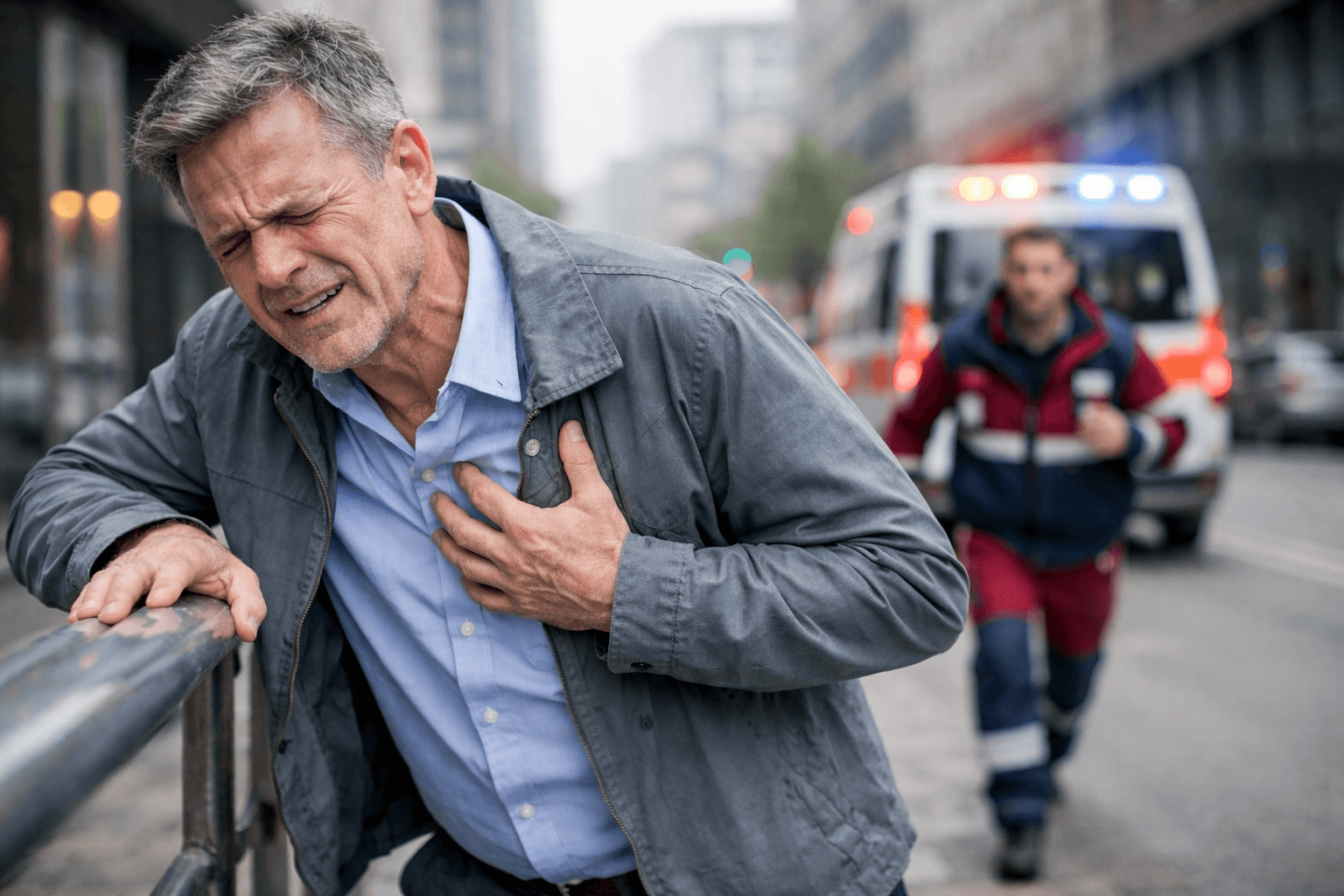
What are the Symptoms and Causes of Heart Attack? What are the Current Treatment Approaches?
A heart attack is a condition that requires emergency intervention, resulting from the heart muscle being critically deprived of oxygen and nutrients. Medically known as myocardial infarction, it usually occurs due to a sudden blockage in the coronary vessels that supply the heart. This blockage is caused by the rupture of plaques composed of fat, cholesterol, and other substances accumulating on the vessel walls, or by a blood clot forming at the site, partially or completely obstructing the vessel. With early diagnosis and treatment, it is possible to minimize the damage to the heart.
Definition and Main Causes of Heart Attack
A heart attack is characterized by damage to the heart tissue as a result of the heart muscle's oxygen needs not being met. This condition is mostly the result of narrowing or sudden blockage in the coronary arteries. Plaques accumulating on the vessel walls can gradually narrow the vessel, and if they rupture, blood clots may form on them, suddenly cutting off blood flow to the heart muscle. If this blockage is not rapidly opened, the heart muscle may be irreversibly damaged, and a decrease in the heart's pumping power, that is, heart failure, may develop. Heart attack continues to be one of the leading causes of death worldwide. In many countries, heart attacks cause far more losses than deaths due to traffic accidents.
What are the Most Common Symptoms of Heart Attack?
Heart attack symptoms can vary from person to person and may also present with unclear symptoms. The most common symptoms are as follows:
Chest pain or discomfort: A feeling of pressure, tightness, burning, or heaviness in the center of the chest; sometimes radiating to the left arm, neck, jaw, back, or abdomen.
Shortness of breath: May develop together with or independently of chest pain.
Sweating: Especially cold and profuse sweating is typical.
Weakness and fatigue: Increasing exhaustion may be present for days before the attack, especially more common in women.
Dizziness or feeling lightheaded
Nausea, vomiting, or indigestion
Palpitations unrelated to activity and persistent
Increased or irregular heartbeat
Pain in the back, shoulder, or upper abdomen, seen more frequently in women.
Unexplained cough or respiratory distress
Swelling in the legs, feet, or ankles (mostly in advanced stages) These symptoms can sometimes be mild or very severe. Especially if chest pain and shortness of breath persist for more than a few minutes or recur, medical help should be sought without delay.,
Heart Attack Symptoms in Different Groups
In women and young people, a heart attack may sometimes develop without the classic chest pain. In women, especially atypical symptoms such as fatigue, back pain, nausea, sleep disturbances, and anxiety may predominate. In the elderly or diabetic patients, the sensation of pain may be more subtle; instead, sudden weakness or shortness of breath may appear as the first symptom.
Chest discomfort, palpitations, cold sweating, and sudden awakening experienced at night or during sleep may also be signs of a sleep-related heart attack.

What are the Main Risk Factors Leading to Heart Attack?
Many risk factors play a role in the development of a heart attack, and these factors are often present together. The most common risk factors:
Use of cigarettes and tobacco products
High cholesterol (especially increased LDL cholesterol)
High blood pressure (hypertension)
Diabetes (diabetes mellitus)
Obesity and physical inactivity
Unhealthy diet (diet rich in saturated and trans fats, poor in fiber)
Family history of early-onset heart disease
Stress and chronic psychological pressure
Advancing age (risk increases with age)
Male gender (however, risk also increases in women after menopause) Some laboratory findings (such as C-reactive protein, homocysteine) may also indicate increased risk. In modern medicine, for people with obesity problems, some surgical and interventional methods, together with lifestyle changes, contribute to risk reduction.
How is Heart Attack Diagnosed?
The most important step in diagnosing a heart attack is observing the patient's complaints and clinical presentation. The following basic tests are then performed:
Electrocardiography (ECG): Reveals changes in the heart's electrical activity during the attack.
Blood tests: Especially the elevation of enzymes and proteins released from the heart muscle, such as troponin, supports the diagnosis.
Echocardiography: Assesses the contractile strength and movement disorders of the heart muscle.
If necessary, chest X-ray, computed tomography, or magnetic resonance imaging may also be used as additional tests.
Coronary angiography: Performed for definitive diagnosis and simultaneous treatment of vessel blockages and narrowings. If necessary during the procedure, the vessel can be opened with balloon angioplasty or stent.
What Should Be Done First in a Heart Attack?
Time is of critical importance for a person experiencing heart attack symptoms. The main steps to follow in this situation are:
Emergency medical services should be called immediately (call emergency service or ambulance)
The person should sit in a calm position and keep movement to a minimum
If alone, leave the door open or ask for help from those nearby
If previously recommended by a doctor, medications such as preventive nitroglycerin may be used
Professional help should be awaited until the medical team arrives, and unnecessary exertion and panic should be avoided Rapid and appropriate intervention during the attack minimizes damage to the heart muscle and increases the chance of survival.
Current Approaches in Heart Attack Treatment
In modern medical practice, heart attack treatment is planned according to the type, severity, and existing risk factors of the attack the patient is experiencing. Treatment generally includes the following steps:
Immediate administration of vasodilator and blood-thinning medications
Early coronary intervention (angioplasty, stent placement) is often the first choice
If necessary, bypass surgery may be performed to replace blocked vessels with healthy ones
After the life-threatening risk is eliminated, lifestyle changes to support heart health, regular medication use, and management of risk factors are ensured
Smoking cessation, healthy and balanced nutrition, regular physical activity, stress management, and control of diabetes and hypertension, if present, are fundamental measures Throughout the treatment process, it is very important for patients to closely follow the recommendations of cardiology and cardiovascular surgery specialists and to attend regular check-ups.
What Can Be Done to Prevent Heart Attack?
The risk of heart attack can be significantly reduced in many cases through lifestyle changes:
Completely avoid cigarettes and tobacco products
Establish a diet low in cholesterol, rich in vegetables and fiber, and limited in saturated fat and processed foods
Exercise regularly; at least 150 minutes of moderate-intensity physical activity per week is recommended
Keep high blood pressure and blood sugar under control; if necessary, continue medication therapy
If you are overweight or obese, seek professional support to reach a healthy weight
Learn stress management and benefit from psychological support systems Paying attention to these measures helps reduce deaths due to heart disease worldwide.
Frequently Asked Questions
At what ages is heart attack more common?
The risk of heart attack increases with age. However, due to genetic factors, diabetes, smoking, and lifestyle elements, it can also be seen in young adults.
Is it possible to have a heart attack without chest pain?
Yes. Especially in women, diabetic patients, and the elderly, a heart attack can develop without chest pain. Attention should be paid to atypical symptoms such as fatigue, shortness of breath, nausea, or back pain.
Can a heart attack occur at night or while sleeping?
Yes, heart attacks can also occur during sleep or early in the morning. Those who wake up with sudden chest pain, palpitations, or dizziness should seek medical evaluation without delay.
Are heart attack symptoms in women different from those in men?
In women, instead of classic chest pain, different complaints such as fatigue, pain in the back and abdomen, shortness of breath, and nausea may be observed.
What conditions can be confused with a heart attack?
Some diseases such as stomach disorders, panic attacks, musculoskeletal pain, reflux, and pneumonia can present with symptoms similar to a heart attack. If in doubt, a medical evaluation should definitely be performed.
Should aspirin be taken during a heart attack?
If recommended by your doctor and you have no allergy, chewing aspirin until emergency support arrives may be beneficial in some cases. However, in all cases, medical assistance should be the priority.
Is it possible to fully recover after a heart attack?
A significant proportion of patients who receive early intervention can achieve a healthy life with appropriate treatment and lifestyle changes. However, in some cases, permanent loss of heart function may develop.
What are the causes of heart attack in young people?
In young people, smoking, high cholesterol, obesity, physical inactivity, and some congenital vascular anomalies can lead to heart attack.
What should be considered in nutrition to prevent heart attack?
Vegetables, fruits, whole grains, fish, and healthy fats should be preferred; consumption of saturated and trans fatty acids, salt, and sugar should be limited.
When can exercise be started after a heart attack?
After a heart attack, an exercise program should be started under medical supervision and with a personal risk assessment.
How long does a person who has had a heart attack stay in the hospital?
This period varies depending on the severity of the attack and the treatments applied. Most of the time, hospitalization lasts from a few days to a week.
What should I do if there is heart disease in the family?
Family history is an important risk factor. Not smoking, eating healthily, regular exercise, and, if necessary, regular heart check-ups should be done.
Can stress cause a heart attack?
Long-term stress can indirectly increase the risk of heart attack. Avoiding stress as much as possible or using effective coping methods will be beneficial.
References
World Health Organization (WHO): Cardiovascular diseases (CVDs) Fact Sheet.
American Heart Association (AHA): Heart Attack Symptoms, Risk, and Recovery.
European Society of Cardiology (ESC): Guidelines for the management of acute myocardial infarction.
US Centers for Disease Control and Prevention (CDC): Heart Disease Facts.
New England Journal of Medicine, The Lancet, Circulation (Peer-reviewed medical journals).