Gallstones: Causes, Symptoms, and Management Methods

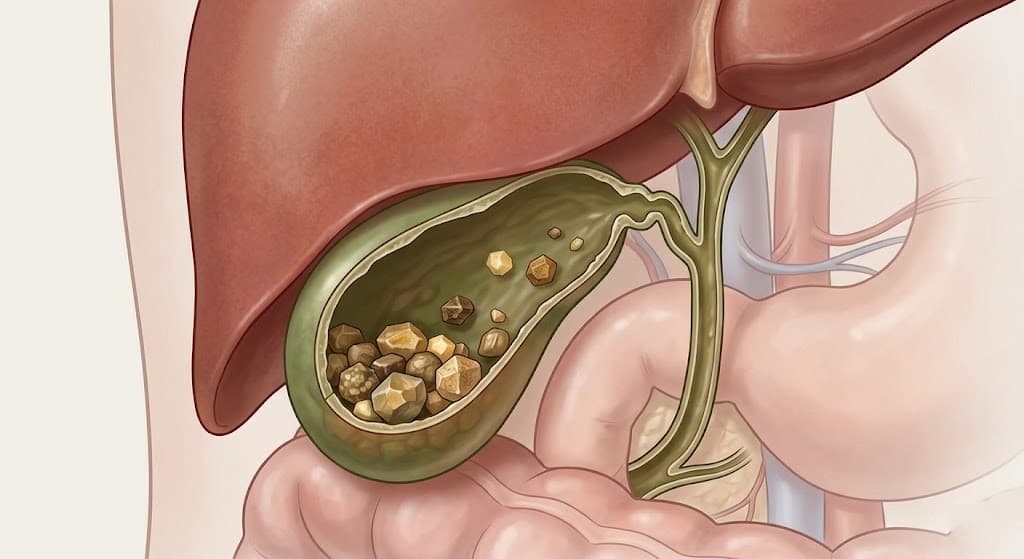
What is Gallbladder Stone?
Gallbladder stone is a health problem characterized by the formation of stones in the gallbladder, frequently seen in women and sometimes causing severe abdominal pain. The gallbladder is a small, pear-shaped organ located just below the liver and contributes to digestion by storing bile produced in the liver. The liver secretes about one liter of bile daily; this secretion is vital for the digestion of fats and the absorption of certain vitamins.
As bile passes from the liver to the duodenum, it is temporarily stored in the gallbladder. Here, it becomes concentrated by absorbing water and is transferred to the intestines, especially after fatty meals. Disruptions in the balance of cholesterol, bilirubin, and other substances in bile can lead to sediment and stone formation over time. The formation of gallstones can affect a significant portion of the adult population worldwide and its frequency increases with age.
Causes of Gallstone Formation
The following factors play an important role in the formation of gallbladder stones:
1. Excess Cholesterol in Bile:
When more cholesterol is excreted from the liver into the bile than can be dissolved, this cholesterol crystallizes over time and forms the basis of stone formation.
2. High Bilirubin in Bile:
Bilirubin, formed as a result of the breakdown of red blood cells, can lead to gallbladder stones when increased due to certain liver diseases, bile duct infections, or blood disorders.
3. Decreased Gallbladder Motility:
Prolonged fasting, intravenous nutrition, medications that inhibit gallbladder contractions, or certain hormonal changes can slow bile flow and facilitate stone development.
In addition to these; advanced age, female gender, genetic predisposition, rapid weight loss, Pregnancy, obesity, and diets high in fat and cholesterol are also risk factors that can trigger stone formation.
What Are the Symptoms of Gallstones?
Gallstones usually do not cause symptoms at first and may sometimes be detected incidentally during imaging for another reason. However, if the stones block the bile ducts, the following complaints may occur:
Sudden onset and progressively worsening pain in the upper right abdomen
Pain radiating to the back or right shoulder
Nausea and vomiting
Darkening of urine
Lightening of stool color (whitish stool)
Jaundice (yellowing of the skin and eyes)
Fever, chills, and sweating
Excessive gas and indigestion
Complaints usually begin after fatty meals and may last for several hours.
Other Problems That Gallstones May Cause
Gallbladder stones can cause serious health problems not only when stationary but also when they move and block the bile ducts. These include:
Gallbladder inflammation (cholecystitis): May present with severe pain, fever, and signs of infection.
Bile duct obstruction: Can cause severe pain, jaundice, and bile duct infection.
Pancreatitis: Inflammation of the pancreas causes sudden and severe abdominal pain and requires hospital treatment.
Gallbladder cancer: Although rare, the risk may increase with long-term presence of stones.
In some cases, large stones may cause perforation of the gallbladder wall and intestinal obstruction. These complications can be life-threatening and require urgent medical intervention.
Risk Factors for Gallstones
The main factors that increase the development of gallstones are:
Female gender
Being over 40 years old
Excess weight or obesity
Lack of physical activity
Pregnancy or hormone therapies
Diet low in fiber and high in fat and cholesterol
Family history of gallstones
Diabetes
Certain blood disorders (e.g., sickle cell anemia)
Rapid weight loss or weight loss surgeries (bariatric surgery)
Liver diseases
Prolonged fasting
During pregnancy, the risk of stone formation increases due to the slowing of bile flow caused by the hormone progesterone.
What Are the Types of Gallstones?
Gallstones differ according to their composition:
Cholesterol stones: The most common type, usually yellow in color.
Pigment stones: Mostly dark in color and develop due to excess bilirubin.
Mixed stones: Composed of more than one substance.
Calcium stones: May form in the presence of high calcium in the blood and may coexist with kidney stones in some individuals.
How Is Gallstone Diagnosed?
Diagnosis is made by evaluating the patient's clinical complaints, physical examination findings, and imaging methods:
Abdominal ultrasonography: The first choice and usually sufficient for diagnosis.
Blood, urine, and in some cases, stool tests
Computed tomography (CT) or magnetic resonance imaging (MRI) may be required.
In case of suspected stones in the bile ducts, advanced imaging and interventional methods such as Magnetic Resonance Cholangiopancreatography (MRCP) or Endoscopic Retrograde Cholangiopancreatography (ERCP) may be utilized.
Typically, pain in the upper right abdomen after fatty meals accompanied by nausea and vomiting suggests gallbladder stones. On physical examination, increased pain when pressing on the upper right abdomen may be an important clue.
Approaches to Gallstone Treatment
If stones are present or complications have developed, treatment usually requires surgical intervention. The most commonly applied methods are:
Laparoscopic cholecystectomy: Removal of the gallbladder by a closed method with small incisions, and is generally the first choice today. Patients are often discharged the same day or the next day.
Open surgery: In rare cases, may be preferred if there are adhesions due to previous surgeries or severe inflammation.
Procedures and interventions such as ERCP and PTC: Can be used especially when stones are detected in the bile ducts.
After surgery, diarrhea may occasionally occur due to bile flowing directly into the intestines. Consuming foods low in fat and increasing fiber intake may reduce this complaint.
In some cases, non-surgical methods may also be used:
Oral drug therapy (e.g., ursodeoxycholic acid): May be tried especially for cholesterol stones and in patients not suitable for surgery. However, complete dissolution of stones may take years and recurrence is common.
Lithotripsy (stone fragmentation with shock waves): Can be applied in selected cases.
Preventive Approaches and Lifestyle Recommendations
Recommendations that may help prevent the development and complications of gallstones:
Avoid high-fat fried foods and heavy meals, prefer low-fat foods.
Opt for foods rich in fiber (vegetables, whole grains).
Reduce meal sizes and eat at regular intervals.
Ensure adequate daily water intake (at least 6-8 glasses per day).
Avoid rapid weight loss; if weight loss is necessary, choose slow and balanced methods.
Increase physical activity and take regular walks.
If you experience abdominal pain lasting more than 5 hours, jaundice, white-colored stool, excessive sweating, or fever, it is recommended that you consult a healthcare facility for medical evaluation.
Frequen
a Frequently Asked Questions1. Do gallstones cause symptoms in everyone?
Gallstones often do not cause noticeable complaints and are usually discovered incidentally during another examination. However, if the stones block the bile ducts, symptoms such as pain and nausea may occur.
2. Where is gallstone pain felt?
The pain is usually located in the upper right part of the abdomen and may radiate to your back or right shoulder. It intensifies especially after fatty meals.
3. Can a gallstone pass on its own?
Small stones can sometimes pass through the bile ducts on their own, but due to the risk of blockage and complications during this process, medical supervision is necessary.
4. Do gallstones cause cancer?
Due to long-term irritation, gallstones can rarely increase the risk of cancer development. However, this risk is low.
5. Does removal of the gallbladder affect quality of life?
Digestion usually continues smoothly even without the gallbladder. Some people may experience temporary diarrhea after surgery. This can be managed with minor changes in dietary habits.
6. In which situations should a doctor be consulted?
If you have abdominal pain lasting more than 5 hours, jaundice, fever, chills, or a noticeable change in stool color, you should seek medical attention without delay.
7. Is gallstone treatment possible without surgery?
In some cases, methods such as medication or lithotripsy may be used. However, surgery is generally a permanent and effective treatment to reduce the risk of complications.
8. How can I prevent gallstones?
Eating a healthy, balanced diet, maintaining weight management, and engaging in regular physical activity can reduce the risk.
9. Does the risk of gallstones increase during pregnancy?
Yes, especially during pregnancy, hormonal changes slow down bile flow and increase the risk of stone formation.
10. Does obesity increase the risk of gallstones?
Obesity can lead to changes in bile acids and an increased risk of stones. Weight management is important in this regard.
11. Does a family history of gallstones affect stone development?
Yes, familial predisposition is an important risk factor for gallstones.
12. Does my diet affect gallstone development?
Diets low in fiber and high in fat can increase stone formation. Fiber-rich foods and a balanced diet may have a protective effect.
13. What should be done if diarrhea occurs after surgery?
This condition is usually temporary. Avoiding fatty foods and increasing fiber intake is often sufficient. Consult your doctor if diarrhea persists.
14. Can gallstones develop while losing weight?
Losing weight too quickly increases the risk of gallstone formation; weight loss should be controlled and gradual.
15. Do gallstones recur?
When the gallbladder is completely removed surgically, precautions are taken against the risk of recurrence. However, with non-surgical treatments, stones may recur.
References
World Health Organization (WHO) – Gallstones Fact Sheet
American Gastroenterological Association (AGA) – Clinical Practice Update: Management of Gallstones
American College of Surgeons (ACS) – Gallstone Disease Guidelines
Mayo Clinic – Gallstones Overview
National Institute of Diabetes and Digestive and Kidney Diseases (NIDDK) – Gallstones